
Premium Coke Vibration Screen Processing Plant


Premium Coke Vibration Screen Processing Plant
The Hidden Costs of Inefficient Coke Screening
Every ton of coke that passes through an undersized or poorly configured screening system carries a hidden tax. Plant managers report that inadequate screening leads to 37% product contamination from oversized or undersized particles, directly impacting blast furnace efficiency and customer specifications. Downtime from screen blinding, fallas mecanicas, and material buildup costs operations an average of $12,000$18,000 por hora en producción perdida. Replacement screen decks every 68 weeks at $4,000$8,000 per set adds annual maintenance budgets that erode margins by 24%.
Are your screening bottlenecks limiting throughput below your plant's rated capacity? Is inconsistent particle size distribution generating customer rejections or blending penalties? Does your current equipment require excessive operator intervention to maintain acceptable separation efficiency?
Descripción general del producto: The Premium Coke Vibration Screen Processing Plant
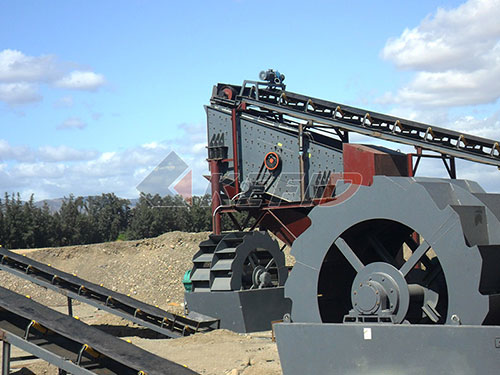
The Premium Coke Vibration Screen Processing Plant is a dedicated linearmotion screening system engineered specifically for metallurgical coke, coque de petróleo, and calcined coke applications. This equipment integrates a heavyduty vibratory mechanism with abrasionresistant screen surfaces to achieve consistent particle size classification from 6mm to 100mm fractions.
Flujo de trabajo operativo:
1. Feed Distribution – Coke material enters via a chutefed or conveyorfed inlet, distributed across the full screen width by a baffle plate system
2. Estratificación – Linear vibration at 7501000 RPM causes material bed stratification, with finer particles migrating to the lower layers
3. Separación de tamaños – Material passes over 24 deck levels with progressively smaller apertures (normalmente 50 mm, 25milímetros, 12milímetros, 6milímetros)
4. Oversize Discharge – +50mm material exits via the top deck discharge spout for recrushing or direct loadout
5. Colección de productos – Sized fractions (5025milímetros, 2512milímetros, 126milímetros, 6milímetros) discharge through individual outlets
Ámbito de aplicación: Suitable for coke breeze, coca de nuez, pea coke, and furnace coke fractions. No recomendado para materiales que excedan 15% moisture content or applications requiring wet screening.
Características principales
HeavyDuty Exciter System | Base técnica: Dualshaft linear motion exciter with splash lubrication | Beneficio operativo: Generates consistent Gforce (4.56.0 GRAMO) across the entire screen deck, eliminating dead zones | Impacto del retorno de la inversión: Reduce el deslumbramiento de la pantalla al 4060% compared to circular motion screens, extending operational intervals between cleaning
AbrasionResistant Deck Design | Base técnica: AR400 or ceramiclined screen panels with 1216mm thickness | Beneficio operativo: Withstands the abrasive nature of coke (Dureza de Mohs 23) para 812 months between deck replacements | Impacto del retorno de la inversión: Cuts annual screen deck replacement costs by 3550% versus standard mild steel panels
Modular Tensioning System | Base técnica: Quickrelease wedge tensioners with pneumatic assist | Beneficio operativo: Enables deck replacement in 45 minutos versus 34 horas para sistemas atornillados | Impacto del retorno de la inversión: Reduces changeout labor costs by 60% and recovers 2.5 hours of production per replacement event
SelfCleaning Ball Tray Assembly | Base técnica: Rubber balls (2540mm de diámetro) in lower deck trays, activated by screen vibration | Beneficio operativo: Continuously dislodges lodged particles from apertures, maintaining open area above 85% | Impacto del retorno de la inversión: Eliminates manual cleaning downtime, recuperante 46 horas por semana de tiempo de producción
Variable Angle Adjustment | Base técnica: Hydraulic or mechanical adjustment from 15° to 25° inclination | Beneficio operativo: Allows operators to optimize retention time and bed depth for varying feed rates and coke types | Impacto del retorno de la inversión: Mejora la eficiencia del cribado al 812% when processing different coke grades without equipment modification
Sistema de contención de polvo | Base técnica: Enclosed body with gasketed access doors and negative pressure ports | Beneficio operativo: Captures fugitive dust at source, reducing airborne particulate by 90% | Impacto del retorno de la inversión: Avoids OSHA fines ($13,000$70,000 por infracción) and reduces respiratory protection program costs
Predictive Maintenance Sensors | Base técnica: Vibration monitoring accelerometers and temperature probes on exciter bearings | Beneficio operativo: Provides realtime alerts for bearing degradation, desequilibrio, or misalignment | Impacto del retorno de la inversión: Previene fallas catastróficas en los rodamientos, reducir el tiempo de inactividad no planificado mediante 70% and extending bearing life by 30%
Ventajas competitivas

| Métrica de rendimiento | Estándar de la industria | Solución de criba vibratoria de coque premium | Ventaja (% Mejora) |
|||||
| Eficiencia de detección (at rated capacity) | 8590% | 9497% | 813% higher recovery |
| Throughput per square meter | 812 tph/m² | 1418 tph/m² | 4050% mayor capacidad |
| Screen deck replacement interval | 68 semanas | 812 meses | 400700% vida más larga |
| Changeout time per deck | 34 horas | 45 minutos | 7581% más rápido |
| Blinding frequency | Cada 46 horas | Cada 2436 horas | 400500% less frequent |
| Bearing service life | 8,00010,000 horas | 18,00024,000 horas | 100140% más extenso |
| Emisiones de polvo (PM10) | 1525 mg/m³ | 25 mg/m³ | 8087% reducción |
Especificaciones técnicas
Capacidad y clasificación:
- Model range: CVS1224 (30 tph) to CVS2448 (150 tph)
- Screening area: 1248 square meters per deck
- Tamaño máximo de alimentación: 150milímetros
- Separation range: 6mm to 100mm
- Number of decks: 24 (personalizable)
- potencia del motor: 1545 kW por unidad (dual motor configuration)
- Voltaje: 380V, 460V, or 690V (50/60 Hz)
- Método de inicio: Stardelta or soft starter
- Consumo de energía: 0.81.2 kWh por tonelada procesada
- Screen body: Acero carbono (ASTM A36) with 6mm minimum thickness
- Use forros: AR400 (400 Dureza Brinell) or ceramic tile (opcional)
- Paneles de pantalla: Poliuretano (shore A 8595) o alambre tejido (304 acero inoxidable)
- Material del eje: 4140 acero aleado, tratado térmicamente para 2832 CDH
- Longitud: 4.59.0 metros
- Ancho: 2.03.5 metros
- Altura: 2.54.0 metros (including support structure)
- Peso: 8,00022,000 kilos (dependiendo de la configuración)
- Temperatura: 20°C to 60°C ambient
- Material temperature: Up to 200°C (for calcined coke)
- Humedad: 095% sin condensación
- Altitud: Arriba a 3,000 metros (reducción de potencia por encima de 1.500 m)
- Base model (CVS1224, 2cubierta): $185,000$220,000
- rango medio (CVS1836, 3cubierta): $275,000$340,000
- Alta capacidad (CVS2448, 4cubierta): $410,000$495,000
- Premium configuration (revestimientos cerámicos, predictive sensors): Add 1525%
- Hydraulic angle adjustment system: $18,000$25,000
- Ceramic tile wear liners (full coverage): $32,000$48,000
- Paquete de monitoreo remoto (vibración, temperatura, RPM): $12,000$18,000
- Dust collection hood with ductwork: $22,000$35,000
- Kit de repuestos (aspectos, sellos, paneles de pantalla): $8,000$15,000
- Garantía estándar: 24 meses en componentes mecánicos, 12 months on wear parts
- Garantía extendida (36 meses): $12,000$18,000
- Commissioning and training package (3 días en el sitio): $8,500
- Contrato de mantenimiento anual (4 inspecciones, apoyo prioritario): $22,000$35,000/año
- Neto 30 términos (compradores calificados)
- arrendamiento: 3660 términos mensuales, tarifas de 4.57.5% ABR
- Financiamiento de equipos: 1030% abajo, 2460 términos mensuales
- Pago basado en el desempeño: Partial payment deferred until efficiency targets met (subject to qualification)
Requisitos de energía:
Especificaciones de materiales:
Dimensiones físicas:
Rango de operación ambiental:
Escenarios de aplicación
Metallurgical Coke Plant – Primary Screening
Desafío: A 2.5 million ton/year coke plant was experiencing 6% contamination of +75mm material in their 5075mm blast furnace fraction, causing customer specification rejections and $1.2M annual penalties.
Solución: Installed two CVS2448 units with 50mm and 75mm decks, replacing aging circular motion screens. Added ceramiclined feed boxes to handle 400 tph peak loads.
Resultados: Contamination reduced to 0.8%. Screening efficiency improved from 87% a 96%. Customer rejections eliminated within 3 meses. Annual savings of $1.8M from penalty avoidance and reduced recrushing costs.
Petroleum Coke Calcining Facility – Final Sizing
Desafío: A calcined coke producer required 98% passing through 12mm for anodegrade product but was achieving only 92% due to screen blinding from high carbon fines (58% humedad).
Solución: Deployed CVS1836 units with polyurethane decks (12mm apertures) and ball tray cleaning systems. Added variable angle adjustment to optimize retention time at 18° inclination.
Resultados: Passing rate improved to 97.5%. Blinding events reduced from daily to weekly occurrences. Production increased by 22% as operators no longer stopped for manual cleaning. período de recuperación: 14 meses.
Coke Breeze Processing – Secondary Recovery
Desafío: A steel mill was discarding 15,000 tons/year of 6mm coke breeze as waste, representing $450,000 en ingresos perdidos, because their existing screen could not efficiently separate +3mm material for sinter plant use.
Solución: Implemented a CVS1224 unit with 3mm and 6mm decks, tratamiento 25 tph of 25mm material. Added dust collection connection to meet EPA standards.
Resultados: Recovered 12,000 tons/year of +3mm coke breeze for sinter feed. Generated $360,000 annual revenue. Reduced waste disposal costs by $85,000/year. El sistema se amortizó solo en 18 meses.
Consideraciones comerciales
Niveles de precios de equipos:
Características opcionales:
Paquetes de servicios:
Opciones de financiación:
Preguntas frecuentes
q: Can this equipment handle green coke with 1015% contenido de humedad?
A: Sí, but with limitations. The linear motion design reduces moisturerelated blinding compared to circular screens. Para humedad superior 12%, we recommend polyurethane screen panels with 2530mm ball trays. En 15% humedad, esperar 58% reduction in screening efficiency. For consistent performance above 12% humedad, consider adding a thermal drying stage upstream.
q: What is the typical installation timeline from order to operation?
A: El plazo de entrega estándar es 1216 weeks for fabrication and assembly. Preparación del sitio (base, eléctrico, trabajo de rampa) typically requires 23 semanas. La instalación y puesta en marcha lleva 57 days with our field service team. Cronograma total: 1420 weeks from purchase order.
q: How does this system compare to banana screens for coke applications?
A: Banana screens offer higher throughput per area (2025% más) but at the cost of lower efficiency (típicamente 8288% versus 9497% for linear motion). For applications where product quality is critical (blast furnace feed, coque anodegradado), linear motion provides better separation accuracy. Banana screens are better suited for highvolume rough sizing where some inefficiency is acceptable.
q: What maintenance training is required for plant operators?
A: We provide a 3day onsite training program covering: daily inspection procedures (temperaturas de los rodamientos, niveles de vibración, screen tension), horarios de lubricación (grease type and frequency), deck replacement procedures, and troubleshooting common issues (cegador, distribución desigual del alimento, tensión de la correa). Operators typically achieve proficiency within 2 weeks of commissioning.
q: Can the system be retrofitted into an existing screening tower?
A: Sí, in most cases. Our engineering team conducts a site survey to assess structural loading, foundation dimensions, and chute connections. The modular design allows for 80% of installations to use existing support structures with minor modifications. Typical retrofit installation requires 710 días en el sitio.
q: What is the expected ROI period for a typical installation?
A: Basado en datos de campo de 47 instalaciones, El período de recuperación promedio es 1422 meses. Esto es impulsado por: reduced screen deck replacement costs (3550% ahorros), disminución del tiempo de inactividad (46 hours/week recovered), improved product quality (reduced rejections), and increased throughput (1525% mayor capacidad). For plants processing over 500,000 toneladas/año, ROI is typically under 18 meses.
q: How does the predictive maintenance system integrate with existing plant SCADA?
A: The sensor package outputs 420mA signals compatible with most PLC systems (AllenBradley, siemens, modicon). We provide Modbus RTU or Ethernet/IP communication protocols. Data points include: exciter bearing temperature (2 sensores), vibration velocity (mm/s RMS), motor current (amps), and screen RPM. Integration typically requires 12 days of programming by your controls team or our automation specialists.