
operaciones unitarias mecanicas de molienda y trituracion

Mechanical Unit Operations: The Critical Roles of Grinding and Crushing in Particle Size Reduction
Within the vast domain of chemical engineering and process industries, mechanical unit operations form the backbone of transforming raw materials into usable products or intermediates. Among these fundamental processes, grinding and crushing stand out as essential techniques for particle size reduction (transformación en polvo). While often mentioned together due to their shared objective – reducing solid particle dimensions – they represent distinct operations governed by different principles and applied under specific conditions.
Defining the Operations: Crushing vs. Molienda
Aplastante: This operation primarily deals with the coarse reduction of large solid materials (p.ej., rocks, minerales, minerales) into smaller fragments or lumps. It typically involves applying compressive forces through relatively slow-moving surfaces (like jaws, conos, or rolls). The goal is significant size reduction in one or a few stages, producing particles often measured in centimeters or millimeters.
Molienda: Grinding focuses on achieving fine or ultra-fine particle sizes, often down to micrometers or even nanometers. It employs impact, desgaste (frotamiento), cortar, or a combination of these forces through rapidly moving elements (bolas, varillas, pebbles) within rotating vessels (molinos). Grinding is usually applied after crushing for further refinement.
Equipo: Tools of the Trade
The choice between crushing and grinding equipment depends heavily on the feed size, tamaño de producto deseado, material properties (dureza, abrasividad, contenido de humedad), y rendimiento requerido.
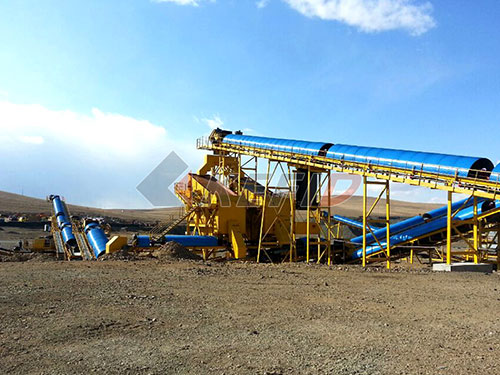
1. Trituradoras (Reducción gruesa):
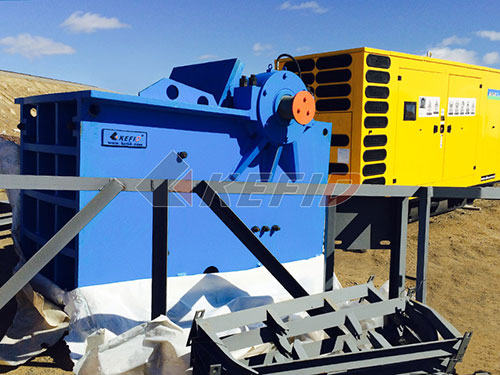
trituradoras de quijada: Utilice dos mandíbulas verticales, una fija, one reciprocating – to crush material by compression.
trituradoras giratorias: Feature a conical head gyrating within a larger conical shell; ideal for high-capacity primary crushing.
trituradoras de cono: Similar principle to gyratories but generally used for secondary crushing; offer finer control over product size.
trituradoras de rodillos: Employ two counter-rotating cylinders that compress material passing between them; suitable for softer materials or producing more uniform particle shapes.
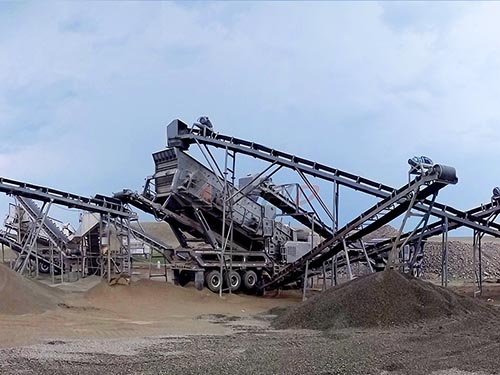
2. Grinders/Mills (Fine Reduction):
molinos de bolas: Cilindros giratorios parcialmente llenos de medios de molienda. (bolas); impact and attrition reduce particle size as the mill rotates.
Molinos de varillas: Similar to ball mills but use long rods as grinding media; produce