
Trituración de piedra caliza

Limestone Crushing: From Quarry to Construction Essential
Caliza, una roca sedimentaria compuesta principalmente de carbonato de calcio (CaCO3), is one of the most versatile and widely used natural resources on the planet. Its journey from massive bedrock formations in quarries to the finely graded aggregates essential for construction and industry hinges on a critical process: limestone crushing. This mechanical operation transforms raw, blasted rock into specific sizes suitable for countless applications.
The Importance of Size Reduction
Raw limestone extracted from quarries is often massive and irregularly shaped, making it impractical for direct use in most applications. Crushing serves several vital purposes:
1. Size Specification: Different end uses demand specific particle sizes – from large riprap for erosion control down to fine powders for fillers or chemical processes.
2. Liberación: Crushing breaks down the rock, potentially liberating desirable components or exposing its inherent properties.
3. Mayor superficie: Reducing particle size dramatically increases surface area, crucial for chemical reactions like calcination (to produce lime) or effectiveness as agricultural lime.
4. Manejo mejorado & Transporte: Uniformly sized aggregates are far easier to handle, transport by conveyor or truck, store efficiently, and feed into subsequent processes like screening or grinding.
El proceso de trituración: Stages and Equipment
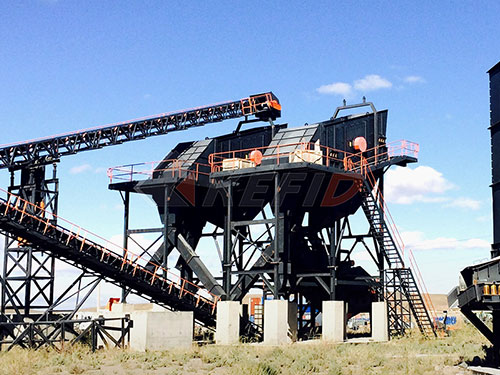
Limestone crushing typically occurs in multiple stages to achieve the desired final product efficiently and minimize excessive fines generation:
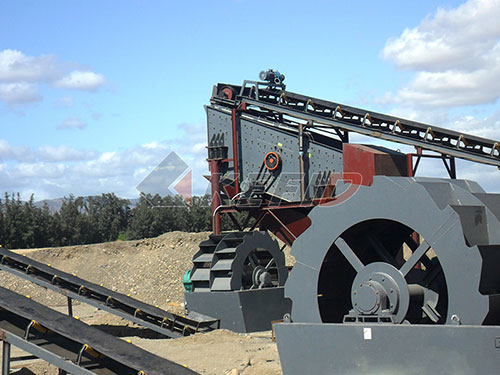
1. Trituración Primaria: This first stage tackles the largest run-of-mine material directly from the quarry face after blasting.
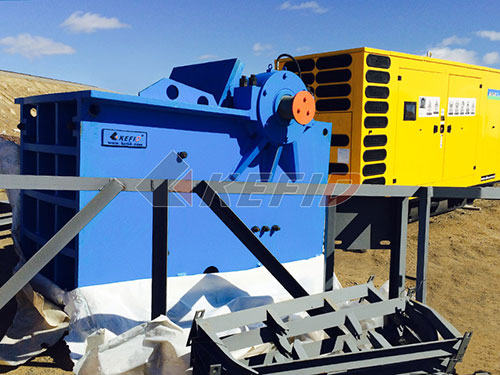
Equipo: Jaw crushers are the dominant choice here due to their robust design and ability to handle large feed sizes with high compressive strength rocks like limestone.
Producción: Produces coarse aggregate (típicamente >100milímetros / 4 pulgadas), often fed directly into secondary crushers or stockpiled for specific uses like riprap.
2. Trituración Secundaria: This stage further reduces the size of primary crushed material.
Equipo: Cone crushers are frequently employed here because of their efficiency in producing well-shaped particles within intermediate size ranges (p.ej., 20milímetros - 100milímetros / 0.75en - 4en). Impact crushers are also common alternatives, especially when producing cubical aggregate shapes is critical; sin embargo, their suitability depends on the limestone's abrasiveness and hardness.
Producción: Produces base materials for roads (subbase), larger concrete aggregates, lastre de ferrocarril, y