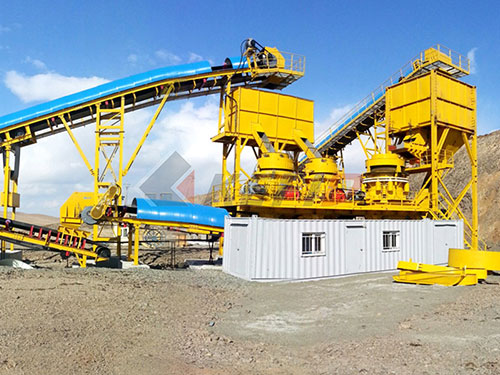
Debilidades de las trituradoras de cono
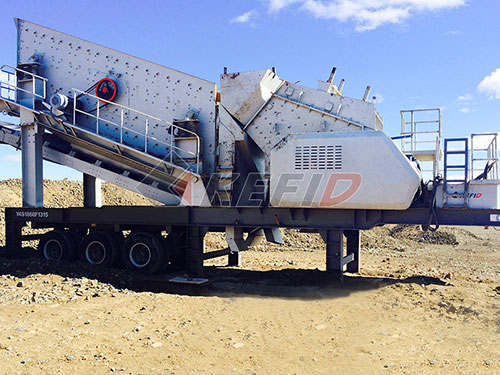

Debilidades de las trituradoras de cono: A Comprehensive Analysis
Cone crushers are widely used in mining, producción agregada, y las industrias de la construcción debido a su eficiencia en la reducción de materiales duros y abrasivos.. Sin embargo, como cualquier equipo mecánico, no están exentos de limitaciones. Comprender las debilidades de las trituradoras de cono es fundamental para optimizar su rendimiento., reduciendo los costos operativos, and ensuring long-term reliability. This article explores the key drawbacks of cone crushers and offers insights into mitigating these challenges.
1. High Initial Investment and Maintenance Costs
Cone crushers require significant capital expenditure compared to other crushing equipment such as jaw crushers or impact crusers. The precision engineering of components like the mantle, revestimiento del tazón, and eccentric assembly contributes to their high manufacturing costs. Además, maintenance expenses can escalate due to the complexity of internal mechanisms. Replacing wear parts like liners or bearings demands specialized labor and downtime, which further increases operational costs.
Mitigation: Implement predictive maintenance strategies using vibration analysis or thermal imaging to extend component lifespan. Partner with suppliers offering wear-resistant materials for critical parts.
2. Sensitivity to Feed Material Properties
Cone crushers are highly sensitive to variations in feed material characteristics. Húmedo, pegajoso, or oversized feed can lead to blockages in the crushing chamber, provocando paradas no planificadas. Similarmente, unevenly distributed feed material may result in uneven wear on liners and reduced crushing efficiency.
Mitigation: Install pre-screening systems (p.ej., grizzly screens) to remove fines and oversized particles before feeding. Use automated control systems to monitor feed rates and adjust settings dynamically.
3. Limited Flexibility in Product Gradation
While cone crushers excel at producing uniform particle sizes, adjusting the final product gradation often requires physical modifications to the machine (p.ej., changing the closed-side setting). This limits flexibility in meeting rapid changes in product specifications compared to impact crushers that utilize adjustable aprons or rotors.
Mitigation: Opt for modern cone crushers with hydraulic adjustment systems for quicker CSS changes. Pair with secondary crushing stages for finer tuning of output.
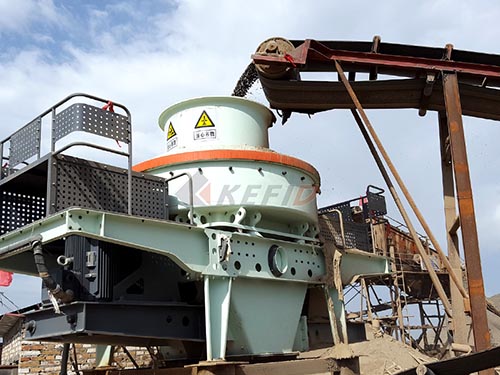
4. Consumo de energía
Cone crushers consume substantial energy during operation, particularly when processing hard or dense materials. The energy required to compress and shear rocks within the crushing chamber can lead to high electricity costs over time.
Mitigation: Optimize operational parameters such as rotational speed and chamber pressure based on material hardness. Invest in energy-efficient models equipped with variable frequency drives (VFD).