
planta de procesamiento de mineral de hierro
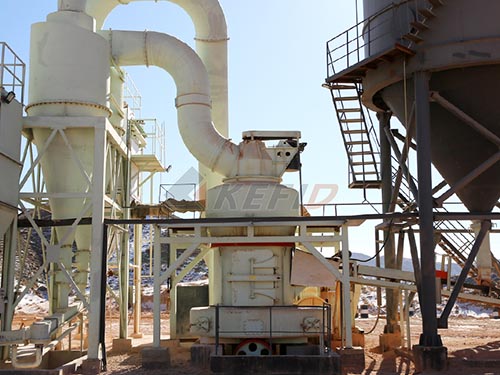

1. APERTURA IMPULSADA POR EL PUNTO DE DOLOR
La gestión de una planta de trituración de mineral de hierro presenta distintos desafíos operativos y financieros que impactan directamente en sus resultados.. ¿Estás luchando con:
Tiempo de inactividad excesivo: Paradas no planificadas por daños en el acero atrapado, bloqueos de la trituradora, o falla prematura de la pieza de desgaste, costando más de decenas de miles por hora en producción perdida.
Rendimiento inconsistente & Calidad del producto: Fluctuaciones en el tamaño y la dureza del alimento que provocan una alimentación estrangulada o niveles erráticos de la cavidad., lo que resulta en una reducción de tamaño deficiente y un producto fuera de especificación que afecta la eficiencia del procesamiento posterior..
Costos operativos insostenibles: Rápida abrasión de revestimientos y piezas de desgaste en las etapas primaria y secundaria debido a la extrema abrasividad del mineral de hierro., generando altos gastos en consumibles y mano de obra de mantenimiento frecuente.
Ineficiencia energética: Las trituradoras que funcionan fuera de sus parámetros óptimos de diseño consumen energía excesiva por tonelada de material procesado., un costo significativo a medida que aumentan los precios de la energía.
Dolores de cabeza por la integración del sistema: Un circuito de trituración donde los componentes individuales (comederos, trituradoras, pantallas, transportadores) no están óptimamente emparejados, creando cuellos de botella y limitando la capacidad general de la planta.
La pregunta central para los gerentes de planta es esta: ¿Cómo puedes lograr confiabilidad?, Reducción del alto tonelaje de mineral de hierro mientras se controla el costo total de propiedad y se maximiza la disponibilidad de la planta.?
2. DESCRIPCIÓN GENERAL DEL PRODUCTO
Una moderna planta de trituración de mineral de hierro es un circuito coordinado de maquinaria pesada diseñada para el objetivo principal.: reduciendo el escurrimiento de minas (memoria de sólo lectura) mineral de hierro a un tamaño transportable y de alimentación del molino de la manera más eficiente. El flujo de trabajo operativo es un proceso sistemático.:
1. Trituración Primaria: mineral ROM (a menudo hasta 1,5 m de tamaño) se alimenta a una trituradora primaria giratoria o de mandíbulas para una reducción inicial a un valor nominal de 200250 mm..
2. Trituración Secundaria: El producto triturado primario luego se reduce aún más mediante trituradoras de cono configuradas para aplicaciones abrasivas., normalmente apunta a un producto de menos de 75 mm.
3. Cribado & Separación: Cribas vibratorias clasifican el material triturado., Dirigir partículas de gran tamaño de regreso a la trituradora secundaria. (funcionamiento en circuito cerrado) y permitir que el material de inspección continúe.
4. Manejo de materiales: Una red de cintas transportadoras de alta resistencia transporta el material entre cada etapa y la siguiente fase de procesamiento. (p.ej., acopio o molienda).
Ámbito de aplicación & Limitaciones: Esta solución está diseñada para el procesamiento de magnetita de alta capacidad., hematites, y otros minerales que contienen hierro. No es apto para pegajosos., minerales con alto contenido de arcilla sin lavado/descalpado previo y pueden requerir tecnologías de endurecimiento específicas para minerales con contenido de sílice excepcionalmente alto.
3. CARACTERÍSTICAS PRINCIPALES
Diseño de cámara avanzado | Base técnica: Ángulo de contacto optimizado y geometría de la cavidad de trituración | Beneficio operativo: Promueve la trituración entre partículas para obtener una forma del producto más consistente y reduce el riesgo de que la trituradora se ahogue con la alimentación en forma de bloques. | Impacto del retorno de la inversión: Mejora el rendimiento general del circuito hasta en 15% mientras se reduce la carga de recirculación.
Sistema de protección de hierro vagabundo | Base técnica: Cilindros de alivio hidráulicos o neumáticos con reinicio automático. | Beneficio operativo: Permite material no triturable (p.ej., brocas, dientes de cubo) pasar sin causar daños mecánicos catastróficos o tiempos de inactividad prolongados | Impacto del retorno de la inversión: Previene un promedio de 35 importantes eventos de inactividad anualmente, Proteger la integridad del eje y del bastidor principal..
Tecnología de monitoreo del desgaste del revestimiento | Base técnica: Sensores de perfilado ultrasónicos o láser integrados en la estructura de la trituradora. | Beneficio operativo: Proporciona datos en tiempo real sobre la vida útil del manto y del cóncavo., permitiendo cambios de revestimiento predictivos en lugar de fallas reactivas | Impacto del retorno de la inversión: Extiende las campañas de línea en 1020% a través de tiempos de cambio optimizados y reduce los costos de mano de obra mediante el mantenimiento planificado.
Lubricación automatizada centralizada | Base técnica: Sistema de engrase programable con monitoreo a prueba de fallas | Beneficio operativo: Garantiza que los rodamientos críticos en trituradoras y cribas reciban intervalos de lubricación precisos independientemente de la supervisión del operador. | Impacto del retorno de la inversión: Los datos de campo documentados muestran una 30% Reducción de fallos relacionados con los rodamientos., Ampliación directa de la vida útil de los componentes..
Unidad de frecuencia variable (VFD) Control de alimentación | Base técnica: Alimentadores vibratorios o de plataforma controlados por VFD sincronizados con los amperios del motor de la trituradora | Beneficio operativo: Mantiene una condición óptima de alimentación estranguladora para trituradoras de cono ajustando automáticamente la velocidad de alimentación según el consumo de energía en tiempo real. | Impacto del retorno de la inversión: Mejora la eficiencia energética mediante 812% por tonelada triturada y estabiliza la gradación del producto.
Diseño modular de patines o módulos | Base técnica: Marcos estructurales premontados integrando trituradora, motor, conduce, y pasarelas | Beneficio operativo: Reduce drásticamente el tiempo de instalación en campo y el costo de obras civiles durante la expansión o reubicación de la planta. | Impacto del retorno de la inversión: Reduce el tiempo de puesta en servicio en aproximadamente 40%, acelerando el tiempo de producción.
4. VENTAJAS COMPETITIVAS
| Métrica de rendimiento | Punto de referencia estándar de la industria | Nuestra solución de planta de trituración de mineral de hierro | Ventaja documentada |
| : | : | : | : |
| Disponibilidad (Tiempo de ejecución programado) | 8590% | >93% | +5% mejora |
| Tonelaje procesado por juego de revestimientos antidesgaste (Etapa secundaria)| Línea de base = 100%| 115130%| +1530% mejora|
| Consumo de energía (kWh/tonelada)| Línea de base = 100%| ~90%| ~10% de reducción|
| Tiempo medio entre fallos (MTBF) Componentes principales| Según estándar OEM. especulación.| +25% sobre las especificaciones OEM.| +25% mejora|
| Instalación & Duración de la puesta en servicio| Línea de base = 100%| ~6070%| 3040% reducción|
5. ESPECIFICACIONES TÉCNICAS
Rango de capacidad: Configurable desde 500 a más 5,000 toneladas por hora (tph), dependiendo del diseño del circuito.
Opciones de trituradora primaria: trituradoras giratorias (4265”apertura de alimentación) o trituradoras de mandíbulas (48"x60"+).
Opciones de trituradora secundaria/terciaria: Trituradoras de cono de servicio pesado con aleaciones extraresistentes a la abrasión.
Requisitos de energía: Potencia total instalada desde ~500 kW para plantas compactas hasta >4 MW para grandes instalaciones; voltaje adaptado a los requisitos del sitio (p.ej., 6.6 kV para unidades principales).
Especificaciones clave de materiales: Revestimientos de acero al manganeso con aleaciones de matriz cromada/cerámica opcionales; Estructuras de acero fabricadas con áreas de alta tensión reforzadas.; rodillos transportadores clasificados para servicio mínimo CEMA D/E.
Dimensiones físicas: Los diseños modulares varían; un módulo de trituración secundario estándar puede tener aproximadamente 15 m de largo x 8 m de ancho x 10 m de alto.
Rango de operación ambiental: Diseñado para temperaturas ambiente de 40°C a +50°C; Estándar de sistemas de supresión de polvo.; Gabinetes disponibles para ambientes extremos..
6. ESCENARIOS DE APLICACIÓN
Expansión de la operación de magnetita a gran escala
Desafío: Un minero de tióne necesitaba ampliar el rendimiento de la planta en 35%. El circuito de trituración existente fue el cuello de botella., sufre de baja disponibilidad debido a problemas de desgaste del revestimiento y control inadecuado de la alimentación.
Solución: Implementación de un nuevo circuito de trituración secundaria/terciaria con trituradoras de cono con diseños de cámara avanzados combinados con automatización del alimentador controlado por VFD.
Resultados: La disponibilidad del circuito aumentó de 86% a 94%. Combinado con un 20% aumento del rendimiento por unidad trituradora gracias a la alimentación optimizada,El objetivo de expansión se cumplió sin agregar líneas de trituración adicionales como se planeó inicialmente..
Actualización de la planta de procesamiento de hematita de tamaño mediano
Desafío: Altos costos operativos impulsados por un consumo excesivo de energía por tonelada triturada (~11 kWh/t)y frecuente,Eventos violentos de metales atrapados que causan un promedio de 80 horas de tiempo de inactividad planificado anualmente..
Solución: Modernización de las trituradoras primarias y secundarias existentes con modernos sistemas de alivio de residuos e instalación de un sistema de control de alimentación automatizado basado en el consumo de energía en todo el circuito..
Resultados: El consumo de energía se redujo a 9 kWh/t. Los eventos de metales atrapados ahora resultan en una limpieza automática en menos de 15 minutos sin daños. El retorno de la inversión se logró en menos de 14 meses gracias a la evitación del tiempo de inactividad y al ahorro de energía..
7.CONSIDERACIONES COMERCIALES
Nuestras Plantas de Trituración de Mineral de Hierro se ofrecen bajo modelos comerciales flexibles:
Niveles de precios
1.Suministro de equipamiento básico:Cubre maquinaria principal.(trituradoras,alimentadores de pantalla).
2.Suministro de plantas modulares:Precio para módulos preensamblados montados sobre patines, incluidos transportadores interconectados,alambrado,y paneles de control locales para una implementación más rápida
3.Solución EPC llave en mano:Una adquisición de ingeniería de precio fijo,y contrato de construcción para el diseño del circuito completo,instalación de obra civil,y puesta en marcha
Características opcionales:
Paquete de software de análisis predictivo avanzado
Sistemas de lubricación automática de doble línea
Kits de inicio de repuestos(revestimientos,aspectos,filtros)
Programas de capacitación para operadores en sitio
Paquetes de servicios:
Acuerdos de mantenimiento planificado con tiempos de respuesta garantizados
Contratos de servicio de revestimiento que proporcionan costos predecibles de piezas de desgaste por tonelada triturada
Monitoreo remoto &Suscripción de diagnóstico
Opciones de financiación:
Arrendamiento de equipos a través de instituciones financieras asociadas.
Alquiler de estructuras propias para la preservación del capital.
Apoyo a la financiación de proyectos para desarrollos a gran escala
8.Preguntas frecuentes
q:¿Qué pasa si mi planta actual tiene equipos de diferentes marcas?? ¿Es compatible su sistema??
R Sí Nuestros sistemas de control están diseñados para la interoperabilidad utilizando protocolos industriales estándar.(OPC UA Profibus).Interfaz mecánica( transportadores de tolvas )Es parte de nuestro alcance de ingeniería que garantiza una integración perfecta con su infraestructura actual.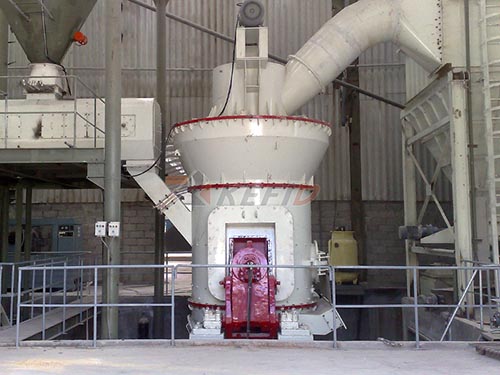
P ¿Con qué rapidez podemos esperar ver una mejora en la consistencia del tamaño del producto después de la implementación??
R Las mejoras son inmediatas tras la puesta en servicio del sistema de control de alimentación automatizado. Los datos de campo muestran que la variación de P80 del producto se reduce en más de 60 dentro de la primera semana de operación, ya que los niveles óptimos de la cavidad de la trituradora se mantienen automáticamente.
P ¿Cuál es el plazo de entrega típico para una planta trituradora modular??
R Para diseños de módulos estándar, los plazos de entrega varían de 6 a 9 meses desde el pedido hasta la entrega en el puerto, dependiendo de la escala. Las soluciones de ingeniería personalizadas pueden requerir de 10 a 12 meses. Se proporciona un cronograma firme después de la ingeniería preliminar.
P ¿Ofrecen garantías de rendimiento??
R Sí Ofrecemos garantías sobre la capacidad de rendimiento, el tamaño del producto final y el consumo total de energía en función de las características acordadas del material de alimentación. Estos están respaldados por términos comerciales descritos en nuestros contratos.
P ¿Cómo afecta el enfoque modular a futuras reubicaciones o expansiones??
R El diseño modular simplifica significativamente la reubicación Los módulos se pueden desconectar, transportar y volver a poner en servicio en un nuevo sitio con hasta dos tercios menos de tiempo y costo en comparación con una planta tradicional de componentes discretos La expansión se simplifica de manera similar al agregar módulos paralelos