
Impact Crushers Wholesaler Samples


1. APERTURA IMPULSADA POR EL PUNTO DE DOLOR
Are you managing unpredictable production bottlenecks and rising operational costs in your aggregate or mineral processing line? The primary crushing stage often dictates overall plant efficiency, yet common pain points persist. These include excessive downtime for wear part replacement, inconsistent product gradation leading to downstream issues, y alto consumo de energía por tonelada de material procesado. Unplanned stoppages to clear bridging or uncrushable material further erode profitability. Are you facing challenges with high maintenance labor costs, premature component failure in abrasive applications, or the inability to adjust product size quickly for different market specifications? These operational hurdles directly impact your bottom line through lost production and escalating costperton metrics.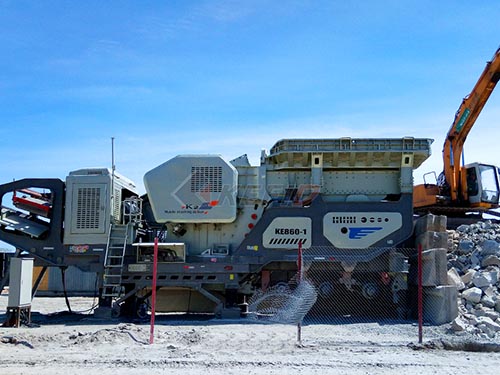
2. DESCRIPCIÓN GENERAL DEL PRODUCTO: SECONDARY/TERTIARY IMPACT CRUSHERS
Un moderno trituradora de impacto is a core piece of comminution equipment designed for size reduction through highspeed impact rather than compression. Its operational workflow is defined by a continuous process: (1) El material de alimentación ingresa a la cámara de trituración., (2) is struck by rapidly rotating hammers/blow bars mounted on a rotor, (3) is propelled against adjustable aprons/breaker plates for secondary impact, y (4) sized material exits through the adjustable gap between the rotor and the apron settings. These machines are optimally applied for secondary, terciario, and recycling crushing of low to mediumabrasive materials like limestone, hormigón reciclado, asfalto, y escombros de demolición. They are less suited for highly abrasive hard rock (p.ej., granito, trampa de roca) as primary crushers where jaw or gyratory units are more appropriate, due to higher potential wear costs.
3. CARACTERÍSTICAS PRINCIPALES
Sistema de ajuste hidráulico | Base técnica: Cilindros hidráulicos controlados por ordenador | Beneficio operativo: Allows remote adjustment of apron settings during operation for precise product size control | Impacto del retorno de la inversión: Reduce el tiempo de cambio hasta en 80%, maximizing uptime during product switches
Diseño de rotor monobloque | Base técnica: Fundición de acero sólido o construcción de placa de acero fabricada | Beneficio operativo: Provides exceptional inertia for crushing efficiency and structural integrity under high stress | Impacto del retorno de la inversión: Increases bearing life and reduces vibrationrelated maintenance; Los datos de campo muestran una 40% longer service interval compared to segmented designs in similar duty.
Sistema de piezas de desgaste QuickChange | Base técnica: Mechanically locked blow bars and wedgefastened apron liners | Beneficio operativo: Enables singleshift liner changes without specialized tools | Impacto del retorno de la inversión: Lowers labor hours per maintenance event by an average of 60%, directly reducing downtime costs.
MultiFlow Crushing Chamber | Base técnica: Optimized internal geometry with multiple impact zones | Beneficio operativo: Creates superior particleonparticle breakage for better product shape and higher reduction ratios | Impacto del retorno de la inversión: Produces more inspec cubical aggregate per cycle, reducing recirculation load and improving downstream screening efficiency.
Sistema de transmisión directa | Base técnica: Vbelt or fluid coupling drive from electric motor to rotor | Beneficio operativo: Delivers maximum power transmission with minimal energy loss; simpler maintenance profile than gearbox systems | Impacto del retorno de la inversión: Las pruebas de la industria demuestran 35% improved energy efficiency over indirect drives at comparable capacities.
4. VENTAJAS COMPETITIVAS
| Métrica de rendimiento | Estándar de la industria (Competitive Units) | Nuestra solución de trituradora de impacto | Ventaja (% Mejora) |
| : | : | : | : |
| Tiempo de cambio de pieza de desgaste| 812 horas (calce mecánico)| < 4 horas (asistencia hidráulica & quicklock)| Arriba a 60% más rápido |
| Índice de forma del producto (Cubicidad)| 7580% producto cúbico| 8590% producto cúbico| ~12% de mejora |
| Consumo de energía| Standard kWh/tonne rating| Cámara optimizada & accionamiento directo| Arriba a 5% reducción |
| Emisión de ruido a 10 m| ~110 dBA típico| < 105 dBA with sounddampening housing| ~5 dB(A) reducción |
5. ESPECIFICACIONES TÉCNICAS
Rango de capacidad: Depende del modelo de 150 a 800+ toneladas por hora.
Diámetro del rotor & Ancho: Desde Ø1000mm x 1000mm hasta Ø2000mm x 2500mm.
Potencia motriz: Requisitos del motor eléctrico de 200 kW a 800 kilovatios.
Tamaño de apertura de alimentación: Up to 1500mm x 2000mm for large feed models.
Tamaño máximo de alimentación: Normalmente hasta 80% de dimensiones de entrada.
Peso: Los pesos de las máquinas varían desde aproximadamente 15,000 kg a más 60,000 kilos.
Especificaciones clave de materiales: Rotor construido con acero de alta resistencia; Barras de soplado disponibles en múltiples aleaciones (acero martensítico, hierro cromado, Compuesto cerámico); Breaker plates in manganese steel.
Rango de operación ambiental: Diseñado para temperaturas ambiente de 20°C a +40°C; rodamientos sellados contra el polvo estándar.
6. ESCENARIOS DE APLICACIÓN
Aggregate Production Plant – Limestone Quarry | Desafío: Need to produce three distinct spec products (20milímetros, 32milímetros, 50milímetros) from a single feed stream with frequent changeovers causing significant downtime. Existing jaw/cone circuit was inflexible. | Solución: Installation of a primary tracked jaw crusher feeding a stationary secondary impact crusher with hydraulic adjustment. The impact crusher’s apron gap is adjusted remotely based on required product.| Resultados: Changeover time between products reduced from half a shift to under one hour. El rendimiento de la planta aumentó en 22% due to reduced bottlenecks and improved cubicity lowered recirculating load on screens.
Construcción & Patio de reciclaje de residuos de demolición | Desafío: Procesamiento de C altamente variable&D feed containing rebar, madera, and lightweight contaminants led to frequent jamming and damage in existing compression crusher.| Solución: Deployment of a dedicated impact crusher with hydraulic overload protection and an integrated magnet system above the discharge conveyor.| Resultados: Ability to process uncrushable material via automatic release of aprons eliminated major stoppages. Metal recovery improved system purity. Overall availability increased from ~75% to over 92%.

7. CONSIDERACIONES COMERCIALES
Impact crusher solutions are offered across several tiers:
Standard Stationary Models: For fixedplant applications; competitive capital investment.
TrackMounted Mobile Units: For contract crushing or multisite operators; premium pricing reflecting mobility and rapid setup.
Alta capacidad / Special Application Models: For specific hightonnage or severeduty circuits; customengineered features affect final price.
Optional features that affect final pricing include advanced automation packages (PLC control with touchscreen), special wear materials for highly abrasive applications (p.ej., compuestos cerámicos), Sistemas de supresión de polvo integrados en la carcasa., y configuraciones personalizadas del transportador de descarga.
Service packages typically range from basic commissioning/warranty support up through comprehensive annual maintenance contracts that include scheduled inspections, programas de seguimiento de piezas de desgaste, y tiempos de respuesta de emergencia garantizados.
Financing options commonly include equipment leasing plans tailored for cash flow management by commercial buyers as well as traditional bankfinanced purchase agreements.
8. Preguntas frecuentes
Q1: Can an impact crusher handle our hard, abrasive granite feed material?
A1: For primary crushing of highly abrasive hard rock like granite or basalt, a compression crusher (mandíbula o cono) is generally recommended due to lower wear cost per ton. Sin embargo,trituradoras de impacto can be effective in tertiary stages after initial reduction or when equipped with specialized wear alloys—though total operating cost must be evaluated against alternatives.
Q2: How does product gradation control work on your units?
A2:Gradation is primarily controlled by adjusting the gap between the rotor blow bars and the adjustable aprons/breaker plates via our hydraulic system.The speed of the rotor also influences particle breakage.A combination of these adjustments allows operators todial in specific product curves.
Q3:What is the typical operational noise level?
A3:Fitted with standard sounddampening enclosures our units operate below105 dB(A) measured at10 meters which helps sites comply with common workplace health regulations without additional acoustic barriers
Q4:What financing structures are available for plant managers lookingto upgrade their circuit?
A4 We workwith several industrial finance partners offering structures including operating leases capital leasesand installment sale agreementsThese can often preserve working capital lines while enabling immediate equipment deployment
Q5:What kindof performance guarantees come withthe equipment?
A5 We guarantee mechanical performance against defectsin materialsand workmanshipFurthermore basedon your specific feedmaterial analysis we can provide warranted capacityand wear part life estimates documentedin the sales agreement