
trituradora de impacto
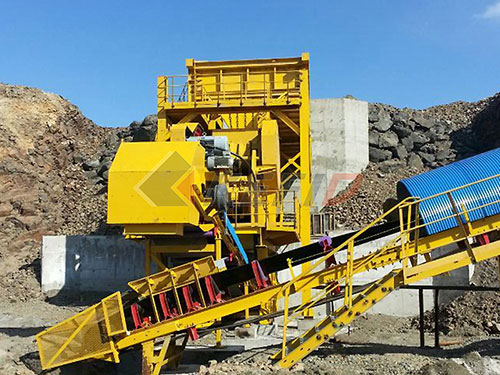

La trituradora de impacto: Versatile Powerhouse of Material Size Reduction
En los exigentes mundos de la minería, cantera, construcción, y reciclaje, Reducir eficientemente el tamaño de la roca y otros materiales es fundamental.. Entre el arsenal de equipos de trituración disponibles, the Impact Crusher stands out as a remarkably versatile and efficient solution prized for its ability to produce high-quality cubical aggregates with relatively low operating costs. This article explores the workings, ventajas, aplicaciones, and key considerations surrounding this dynamic machine.
El principio básico: Aprovechar la energía cinética
Unlike compression crushers (como trituradoras de mandíbulas o de cono) that squeeze material between rigid surfaces until it breaks, an impact crusher operates on a fundamentally different principle: high-speed impact.
1. Introducción al feed: El material ingresa a la cámara de trituración..
2. Aceleración del rotor: The heart of the machine is a high-speed rotating rotor fitted with hammers/blow bars.
3. Impact Event: As material enters the rotor's path:
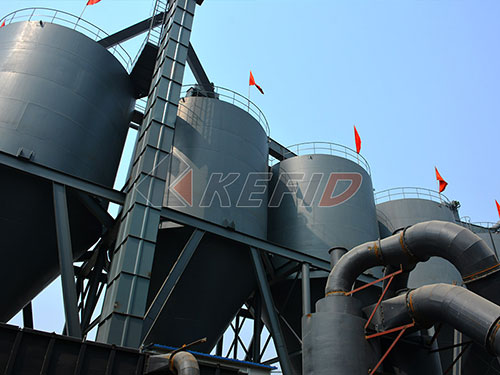
It is struck violently by the hammers/blow bars.
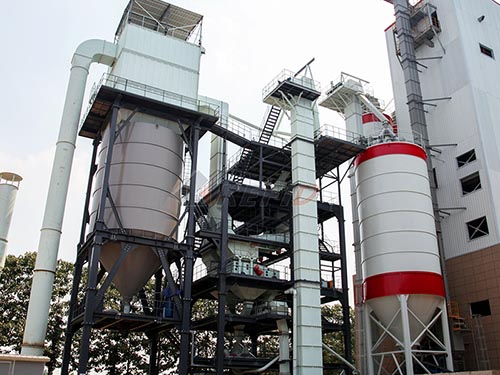
It is hurled against fixed impact plates or aprons (yunques) lining the crushing chamber walls.
4. Desgaste & Rotura: Size reduction occurs primarily through:
Direct Impact: Forceful blows from hammers.
Particle-on-Particle Impact: Material striking other material accelerated by the rotor ("roca sobre roca" aplastante).
Cortar & Desgaste: Friction between particles and against chamber walls.
5. Control & Producción: The gap between the rotor and impact aprons can often be adjusted hydraulically or mechanically to control the final product size and shape without changing blow bar profiles significantly.
Advantages Driving Popularity
Impact crushers offer compelling benefits:
1. Forma cúbica superior: This is arguably their most significant advantage over compression crushers in many applications. The intense impacts tend to fracture material along natural cleavage planes, producing more uniformly shaped cubicle particles essential for high-strength concrete mixes and road base layers where interlocking aggregate shapes are critical.
2. Altos ratios de reducción: Capable of achieving large feed-to-product size reduction ratios in a single stage (a menudo hasta 20:1), simplifying plant design compared to multi-stage compression circuits.
3. Versatility in Feed Material: Can effectively handle a wide range of materials – from soft limestone and recycled concrete/asphalt to harder materials like granite or