
costo de la trituradora de hidrocono
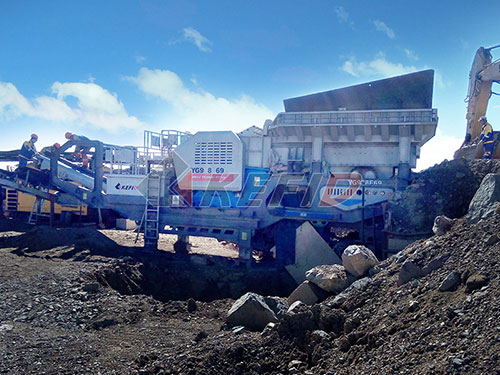

Demystifying Hydrocone Crusher Costs: A Comprehensive Investment Analysis for Aggregate Producers
The Hydrocone crusher, a cornerstone technology developed by (historically under the Allis-Chalmers and Svedala lineages), represents one of the most sophisticated and widely adopted cone crushing solutions in the global aggregates, minería, y las industrias de la construcción. Renowned for its robust design, flexibilidad operativa, and high reduction ratios, investing in a Hydrocone is a significant capital decision. Understanding the multifaceted nature of Hydrocone crusher cost is paramount for operators seeking optimal return on investment (retorno de la inversión) and long-term operational efficiency. This analysis delves beyond the initial purchase price to explore the true total cost of ownership (costo total de propiedad), empowering informed decision-making.
I. Más allá del shock de la pegatina: Definiendo "Costo" in the Hydrocone Context
When discussing "costo," it's crucial to move past the simplistic notion of just the invoice price. For a Hydrocone crusher – or any major piece of heavy machinery – cost encompasses several interconnected layers:
1. Gasto de capital (CAPEX): The upfront purchase price of the crusher itself.
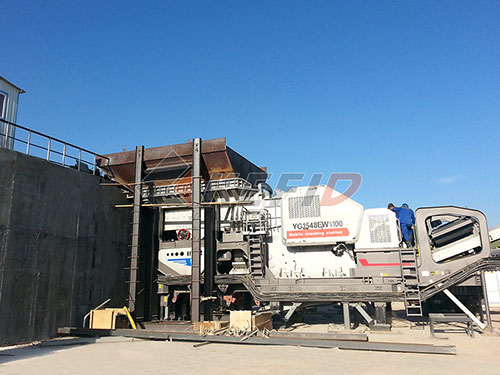
2. Instalación & Costos de puesta en servicio: Expenses related to foundation preparation, plant integration (structural steelwork, transportadores, cae), electrical connections, hydraulic systems setup, dust suppression integration, initial commissioning labor, and potential site modifications.
3. Operating Expenditure (OPEX): The ongoing costs incurred throughout the crusher's operational life:
Consumo de energía: A major OPEX component; influenced by motor size, efficiency settings (p.ej., Configuración del lado cerrado - CSS), feed material characteristics (dureza, abrasividad), and throughput.
Wear Parts Replacement: Mantles, concaves/liners (bowls), distributor plates, eccentrics/bushings are consumables subject to wear based on material processed and operating hours/tons crushed.
Regular Maintenance: Labor costs for scheduled inspections (daily/weekly/monthly checks), lubrication services (greasing bearings), filter changes (oil/hydraulic/air).
Major Overhauls & Component Replacement: Periodic replacement or refurbishment of major components like head nuts/sockets, eccentric assemblies/bushings/housings/sleeves/bearings/gaskets/seals as they reach end-of-life due to fatigue or wear.
Lubricants & Consumables: Hydraulic oil/filters/gre