
cómo valorar un negocio de trituración de piedra
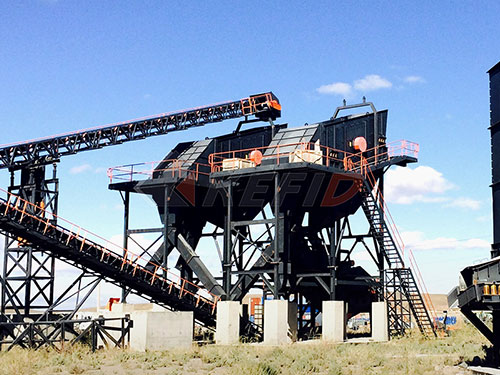

cómo valorar un negocio de trituración de piedra: Una guía práctica
Determining the true worth of a stone crushing business requires moving beyond simple formulas. Exige una inmersión profunda en los activos tangibles., realidades operativas, dinámica del mercado, y potencial futuro. Whether you're considering acquisition, venta, inversión, o financiación, understanding these key valuation drivers is essential for making informed decisions.
I. Foundational Valuation Approaches
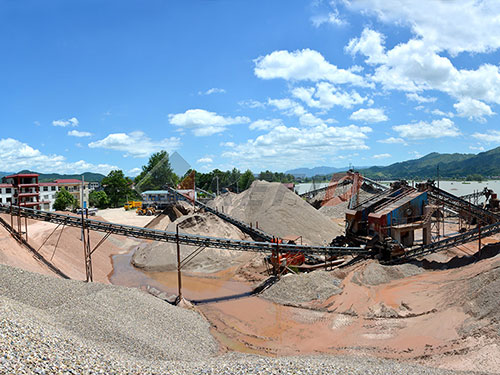
Three primary methodologies form the bedrock of business valuation:
1. Asset-Based Approach: Focuses on the company's net asset value (NAV).
Tangible Assets: This is paramount for crushing businesses.
Tierra: Ubicación, tamaño, zoning permissions (especially crucial for quarrying), accesibilidad.
Buildings & Infraestructura: Offices, workshops, storage facilities, weighbridges.
Planta & Machinery: Detailed inventory and valuation of:
Trituradoras primarias (Mandíbula, Giratorio)
Trituradoras secundarias/terciarias (Cono, Impacto)
Pantallas (Vibrando, tambor)
Transportadores (Radial stackers, feed conveyors)
Comederos (Vibrating Grizzly, Apron)
Sistemas de lavado (Log washers, tornillos de arena)
Unidades de potencia (Generators if applicable)
Vehicles: Loaders (cargadores de ruedas), excavadoras, camiones volquete.
Spare Parts Inventory: Significant value can reside here.
Intangible Assets:
Mineral Reserves/Quarry Rights: The lifeblood of the operation. Valuation requires professional geological reports assessing volume and quality of accessible reserves under current permits. Market value per ton is critical.
Permits & Licenses: Environmental permits (air/water/noise), operating licenses, permisos de voladura (si corresponde). Their transferability and remaining validity are key.
Reputación de marca & Customer Relationships: Established relationships with construction firms or government agencies add value.
Liabilities: Deduct all outstanding debts, loans payable, environmental remediation provisions (si alguno), equipment leases.
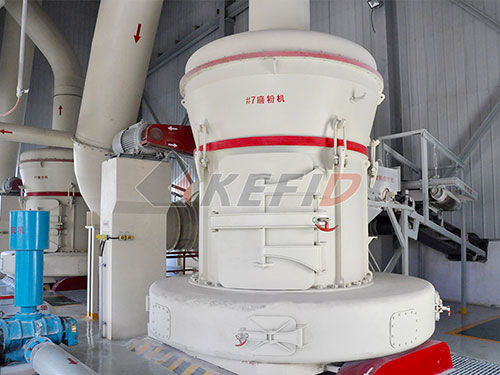
2. Income Approach: Values the business based on its ability to generate future cash flows. Crucial for profitable operations.
Discounted Cash Flow (DCF): Projects future Free Cash Flows (FCF) over a forecast period (p.ej., 5