
Gif De Trituradora De Martillo
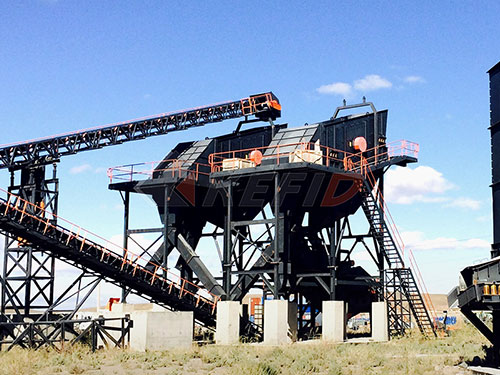

The Hammer Crusher in Motion: Decoding Dynamics Through Animation
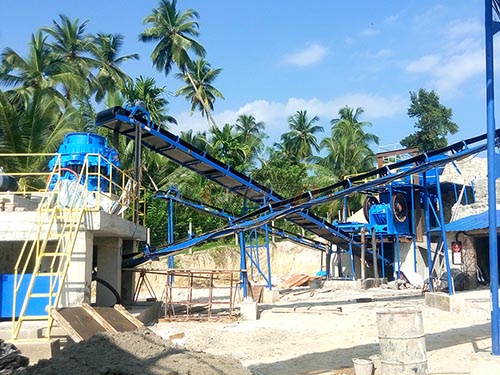
While a static image captures the essence of machinery, it’s the movement that truly reveals its soul and function. This is particularly true for robust industrial equipment like the hammer crusher. A well-crafted Hammer Crusher GIF transcends simple illustration; it becomes an invaluable tool for understanding fundamental principles, visualizing complex interactions, diagnosing potential issues, and appreciating the raw power harnessed within these essential machines used across mining, aggregates processing, producción de cemento, reciclaje, y más.
Beyond Static Images: Why Motion Matters
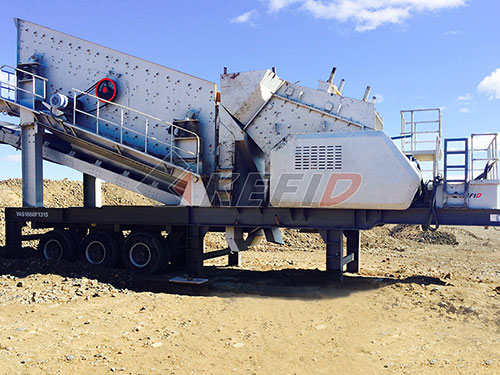
Imagine looking at a photograph of a hammer crusher's rotor assembly – you see hammers mounted on discs or pins within a housing lined with breaker plates (revestimientos). It tells you what components exist but reveals little about how they achieve their purpose: size reduction through impact.
This is where animation shines:
1. Visualizing Kinetic Energy Transfer: A GIF vividly demonstrates how rotational energy from the motor drives the rotor at high speeds (typically hundreds to over a thousand RPM). You see the kinetic energy stored in each swinging hammer as it accelerates outward due to centrifugal force.
2. Understanding Impact Mechanics: The core action – the violent collision between fast-moving hammers and incoming feed material – comes alive. You witness how brittle materials shatter upon direct impact (`primary crushing`), while tougher materials might be struck repeatedly (`secondary crushing`) or thrown against breaker plates (`tertiary crushing`).
3. Dinámica del flujo de materiales: Effective animation shows how material enters through an inlet chute onto the rotor path or onto an apron feeder directing flow towards the rotating hammers (`feed control`). Fundamentalmente, it illustrates how smaller particles fall through grates (`grate bars`) located at the bottom of the crushing chamber once they reach sufficient size reduction (`controlled discharge`), while oversized pieces remain trapped inside for further impacts.
4. Highlighting Critical Design Elements: Motion emphasizes why features matter:
Diseño de rotores: Whether fixed hammers rigidly attached or `swing hammers` freely pivoting on pins becomes clear as they react differently upon impact.
Grate Functionality: You see how grate openings dictate final product size – smaller openings mean finer output but potentially higher risk of clogging if feed isn't controlled.
Breaker Plate Role: Their position relative to the hammer path becomes evident as material ricochets off them for additional