
maquina trituradora gypsne
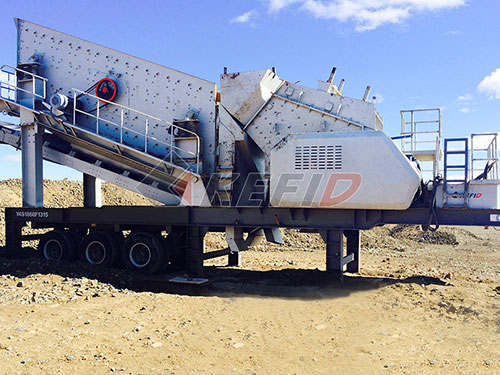

Essential Guide to Gypsum Crushing Machines: Efficiency in Mineral Processing
Yeso, a versatile mineral crucial in construction (paneles de yeso, yeso), agricultura (soil conditioner), y aplicaciones industriales (cement retarder), requires efficient size reduction before further processing or utilization. Gypsum crushing machines form the vital first step in transforming raw gypsum rock into usable products like powder or aggregates. Understanding these machines is key to optimizing productivity and product quality.
El objetivo central: Reducción de tamaño
Raw gypsum extracted from quarries typically arrives as large rocks or lumps. The primary function of a gypsum crushing machine is to break down this material into smaller, manageable fragments suitable for subsequent grinding mills or direct application.
Common Types of Gypsum Crushing Equipment
Several crusher types excel at handling gypsum's relatively soft nature (Mohs hardness ~2):
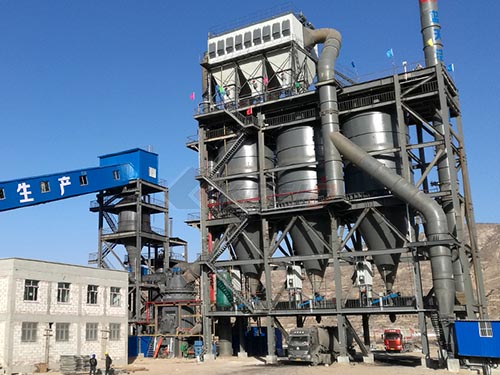
1. Trituradoras de martillo: Often the preferred choice for primary crushing of large gypsum blocks.
Cómo funcionan: Rotating hammers mounted on a shaft impact the incoming material against breaker plates or grates.
Ventajas: High reduction ratio (a menudo 10-25:1), capacidad para manejar tamaños de alimentación grandes, relatively simple structure, low cost per ton for soft materials like gypsum.
Consideraciones: Higher wear on hammers and grates compared to some alternatives; generates more fines; sensitive to moisture content.
2. trituradoras de quijada: Robust machines suitable for primary crushing.
Cómo funcionan: A fixed jaw plate and a moving jaw plate create a V-shaped cavity where material is crushed by compression.
Ventajas: Excellent reliability, handles abrasive materials reasonably well due to replaceable liners, buena capacidad.
Consideraciones: Lower reduction ratio (~6:1) than hammer mills; output tends to be more slabby; less efficient at generating fine product directly compared to impact crushers.
3. Trituradoras de Impacto (Impactadores de eje horizontal - HSI / Impactadores de eje vertical - TODOS): Ideal for secondary crushing or producing finer particle sizes.
Cómo funcionan: Material is accelerated by rotating rotors/hammers/impellers and thrown against impact aprons/anvils or other particles (roca sobre roca).
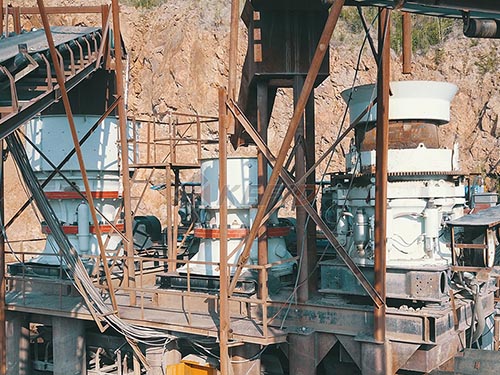
Ventajas: Good control over product shape (more cubical), high reduction ratios achievable; VSI crushers excel at producing sand-like fines efficiently.
Consider