
Eco-Friendly Brick Making Machines Company


1. APERTURA IMPULSADA POR EL PUNTO DE DOLOR
Managing a commercial brick production operation presents distinct financial and operational pressures. ¿Se enfrenta a estos desafíos comunes??
Alta energía & Utility Costs: Traditional firing kilns consume substantial energy, directly impacting your margin per unit and exposing your business to volatile fuel prices.
Calidad del producto inconsistente: Manual material mixing and variable curing processes lead to dimensional inconsistencies and compromised compressive strength, resulting in waste and rejected batches.
LaborIntensive Production: Reliance on manual handling for molding, apilado, and curing limits output scalability and increases labor costs and workplace injury risks.
Significant Carbon Footprint: The firing process generates considerable CO2 emissions, creating regulatory compliance challenges and limiting appeal to environmentallyconscious clients and projects.
Slow Return on Investment: High capital expenditure for traditional kilnbased setups coupled with ongoing energy costs extends the payback period for new equipment.
What if your brick manufacturing plant could drastically reduce energy consumption, ensure uniform quality automatically, and produce highstrength building materials without a traditional kiln? Modern ecofriendly brick making machines are engineered to address these exact pain points.
2. DESCRIPCIÓN GENERAL DEL PRODUCTO
Our EcoFriendly Brick Making Machines are hydraulic or mechanical press systems designed to produce highdensity compressed earth blocks (CEB), interlocking bricks, and pavers from soil, cenizas volantes, or quarry dust—without the need for sintering or firing.
Flujo de trabajo operativo:
1. Preparación de materiales: Materia prima (p.ej., soil with 515% contenido de arcilla, stabilized with 510% cement or lime) is screened and mixed.
2. Compresión automatizada: The homogeneous mix is fed into a mold cavity where a highpressure ram (típicamente 1530 MPa) compacts it into a precise block form.
3. Expulsión & Curación: The finished brick is automatically ejected onto a pallet for organized stacking. Curing involves water sprinkling and ambient air drying for 2128 days to achieve full strength through hydration, eliminating fossil fuel consumption.
Ámbito de aplicación:
Ideal for producing loadbearing and nonloadbearing masonry units for residential, comercial, y proyectos de infraestructura. Suitable for onsite production near raw material sources.
Limitaciones clave:
Output strength is dependent on raw material composition and stabilizer selection. Not designed for producing traditional clayfired bricks or glazed products. Production in continuous heavy rainfall conditions requires covered curing areas.
3. CARACTERÍSTICAS PRINCIPALES
Sistema hidráulico de alta presión | Base técnica: Closedloop hydraulic circuit with precision pressure control valves | Beneficio operativo: Ofrece una fuerza de compactación constante para una densidad y resistencia uniformes del ladrillo en cada ciclo de producción. | Impacto del retorno de la inversión: Reduces product rejection rates by an estimated 6080%, directly preserving raw material costs and maximizing saleable output.
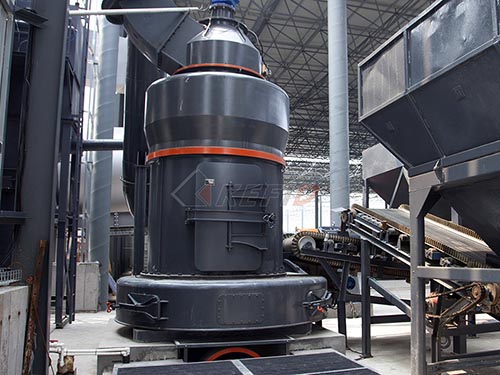
Variable Mold System | Base técnica: Quickchange mold cassettes with hardened steel liners | Beneficio operativo: Enables rapid switchover between different brick sizes and profiles (sólido, hueco, entrelazado) within one machine platform | Impacto del retorno de la inversión: Increases operational flexibility to meet diverse project specifications without capital investment in multiple dedicated machines.
Alimentación automatizada & procesamiento por lotes | Base técnica: Controlador lógico programable (SOCIEDAD ANÓNIMA) managing volumetric feeder systems | Beneficio operativo: Ensures precise ratio of soiltostabilizer for every batch, eliminating human error in mixing | Impacto del retorno de la inversión: Optimizes stabilizer usage (a major cost component) por 1015% while guaranteeing minimum strength standards are consistently met.
Marco de aislamiento de vibraciones | Base técnica: Damped steel frame construction with antivibration mounts | Beneficio operativo: Maintains structural alignment of the press during operation, prolonging component life and allowing installation on reinforced concrete floors without extensive foundations | Impacto del retorno de la inversión: Reduces longterm maintenance costs by minimizing stressinduced failures; cuts installation time and cost by up to 40%.
LowMaintenance Design | Base técnica: Centralized grease lubrication points and easily accessible hydraulic components | Beneficio operativo: Simplifies daily upkeep routines; enables faster servicing by your plant maintenance team | Impacto del retorno de la inversión: Minimiza el tiempo de inactividad no planificado; Los datos de campo muestran una 30% reduction in annual scheduled maintenance hours compared to older press designs.
Sistema de reciclaje de agua (Opcional) | Base técnica: Integrated sump pump with filtration unit for curing area runoff collection | Beneficio operativo: Captures water used in curing for reuse, dramatically reducing freshwater consumption | Impacto del retorno de la inversión: Can lower waterrelated operating costs by up to 70%, a critical advantage in waterscarce regions or where utility costs are high.
4. VENTAJAS COMPETITIVAS
| Métrica de rendimiento | Estándar de la industria (Traditional Kiln/Manual Press) | Solución de máquina para fabricar ladrillos ecológica | Ventaja (% Mejora) |
| : | : | : | : |
| Consumo de energía por 1000 Ladrillos| ~250400 kWh (for firing) & mechanical operation| ~2040 kWh (mechanical/hydraulic operation only)| 8590% Reducción |
| Production Labor per 1000 Ladrillos| 812 horaspersona (mezclando, molding handling)| 24 horaspersona (supervised automated process)| 6075% Reducción |
| Curing Time to Handling Strength| 2448 horas (sundried) or N/A (kilnfired)| 46 horas (due to high compaction)| ~80% más rápido |
| Emisiones de CO2 por ladrillo| ~0.18 0.25 kg CO2e (from fossil fuel combustion)| ~0.02 0.04 kg CO2e (from stabilizer & grid power)| 8085% Más bajo |
| Material Utilization Efficiency| ~85% (due to breakage & inconsistent quality)| ~98% (precise batching & uniform output)| ~13% More Efficient |
Emissions estimates based on cradletogate comparative lifecycle analysis studies.
5. ESPECIFICACIONES TÉCNICAS
Modelo Rango Capacidad: From semiautomatic models at 800 1,200 bricks per hour to fully automatic stationary plants producing 2,500 5,000+ ladrillos por hora.
Requisitos de energía: Depende del modelo; de 15 kW threephase electric motors driving hydraulic power packs up to complex lines requiring connected loads of up to kW.
Presión de funcionamiento: Configurable between MPa depending on material composition requirements.
Especificaciones de materiales: Accepts insitu soil (<10mm agregado), fly ash Class F or C quarry dust sand Cement Portland cement as stabilizer Moisture content optimal range
Physical Dimensions Stationary Plant Footprint):
Longitud:
Ancho:
Altura:
Peso aproximado:
Environmental Operating Range Designed for ambient temperatures from °C Storage recommended above °C
Note Specific technical parameters vary by model configuration
Urban Housing Project Challenge Required lowcost compliant building materials within strict city emissions regulations prohibited traditional kilns Solution Deployed two fully automatic ecofriendly brick making machines using locally sourced laterite soil stabilized cement Results Produced million bricks onsite achieving MPa compressive strength reduced overall wall construction cost eliminated transport emissions associated with imported bricks
Industrial Waste Utilization Challenge Fly ash disposal from a nearby thermal plant represented both an environmental liability cost Solution Implemented an ecofriendly brick making plant configured specifically fly ashlimegypsum binder system Results Converted industrial waste into valuable construction product achieving daily production capacity tons of ash meeting ASTM C standards creating new revenue stream
Niveles de precios de equipos
Tier SemiAutomatic Stationary Press Ideal pilot projects lower volume output
Tier Fully Automatic Single Line Standard commercial production most common purchase
Tier HighCapacity Turnkey Plant Includes automated material handling curing racks PLC control
Actualizaciones de características opcionales
PLC touchscreen interface remote diagnostics
Integrated pallet stacker unstacker systems
Custom mold designs proprietary block profiles
Advanced moisture sensors feed system
Paquetes de soporte de servicio
Standard Warranty months parts labor core components
Extended Service Agreement Includes scheduled preventive maintenance inspections priority support
Operator Training Comprehensive onsite training covering machine operation basic troubleshooting batching best practices
Financing Options Available through partnered institutions include equipment leasing structures term loans tailored project finance models typical terms years subject credit approval
Q What raw materials work best?
A The machine is designed cohesive granular mixtures Soil suitability determined simple sedimentation test Optimal blends include laterite clayey sand fly ash quarry dust Primary requirement controlled particle size distribution minimal organic content
Q What is the final compressive strength achievable?
A Strength depends primarily stabilizer type content compaction pressure With cement stabilization MPa standard Field data shows consistent production MPa blocks suitable loadbearing walls higher strengths possible optimized mixes
Q How does the operational cost compare fired brick?
A Industry analysis shows dominant cost component shifts from energy fuel stabilizer cement Overall operating cost per unit typically lower due elimination firing process Labor utility savings average total production cost reduction depending local prices
Q Is specialized labor required operate maintain?
A Our training equips your existing plant personnel Operations require general mechanical aptitude Maintenance follows standard industrial hydraulic electrical practices manuals detailed troubleshooting guides provided
Q Can we produce different sizes shapes one machine?
A Yes The quickchange mold system allows shift between compatible block designs minutes enabling flexible production runs meet varying project demands without downtime retooling
Q What aftersales technical support offered?
A Support includes detailed installation documentation direct access technical team via phone email video call Optional remote diagnostics available equipped models We maintain global network certified service engineers critical spare parts inventory guarantee response times service level agreements