
Fabricantes de equipos de trituración y cribado personalizados


Beyond the Catalogue: The Strategic Power of Custom Crushing & Screening Fabricators
En el exigente mundo de la producción agregada, minería, y reciclaje, efficiency is paramount. Every percentage point gained in throughput, every ton saved in operational costs, and every hour of reduced downtime translates directly to competitive advantage and bottom-line profitability. While off-the-shelf crushing and screening plants offer convenience, they often represent a compromise – a solution designed for an "promedio" scenario that rarely matches the unique complexities of a specific operation. This is where the specialized expertise of Custom Crushing and Screening Equipment Fabricators becomes not just valuable, but strategically indispensable.
These fabricators are far more than mere metal shops; they are engineering partners dedicated to translating unique operational challenges into highly optimized material processing solutions. They move beyond catalog specifications to design, ingeniero, and manufacture equipment precisely tailored to:
1. The Material: Specific characteristics like abrasiveness (p.ej., high-silica granite vs. piedra caliza más blanda), contenido de humedad (sticky clays vs. dry gravel), distribución del tamaño del alimento (large blasted rock vs. hormigón de demolición), densidad, and desired final product specifications dictate vastly different machine requirements.
2. The Application: Primary crushing in a hard-rock quarry demands different robustness than secondary crushing in an asphalt recycling plant or tertiary sand production for concrete.
3. The Site Constraints: Available footprint (urban recycling yard vs. remote mine), topography (steep slopes requiring tiered designs), disponibilidad de energía (diesel-electric hybrid solutions), regulaciones ambientales (dust suppression integration), and future expansion plans all shape the ideal plant configuration.
4. Production Goals: Target tonnage per hour, required product gradations (multiple products simultaneously?), peak demand periods, and overall cost-per-ton targets drive fundamental design choices.
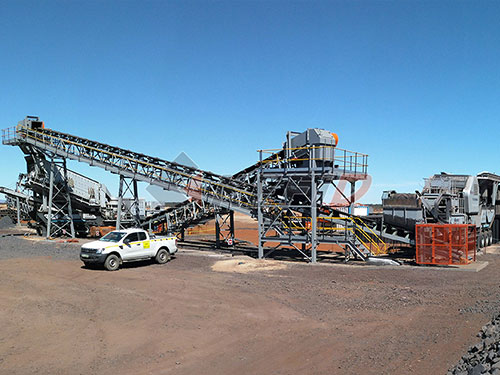
Por qué "Fuera de la plataforma" Often Falls Short
Standard plants are engineered for broad applicability but inherently involve compromises:
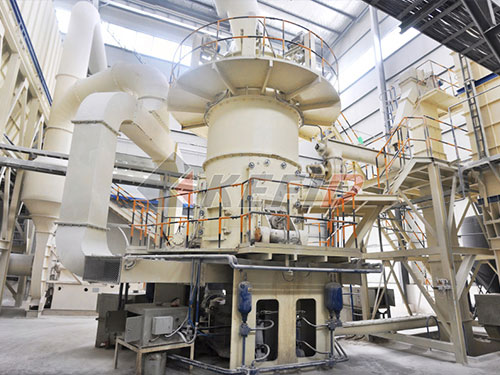
Suboptimal Efficiency: A crusher sized for "típico" material may choke on harder rock or be significantly underutilized on softer feed, desperdiciar energía y capacidad.
Desgaste excesivo & Costos de mantenimiento: Generic wear components may not withstand highly abrasive materials specific to a site, leading to frequent costly replacements and downtime.
Space Inefficiency: Standard layouts may not fit awkward or confined sites without significant site modification costs or sacrificing operational flow.
Flexibilidad limitada: Adapting a standard plant to produce new product sizes or handle slightly different feed material can be difficult or impossible without major modifications.