
Trituración de hormigón
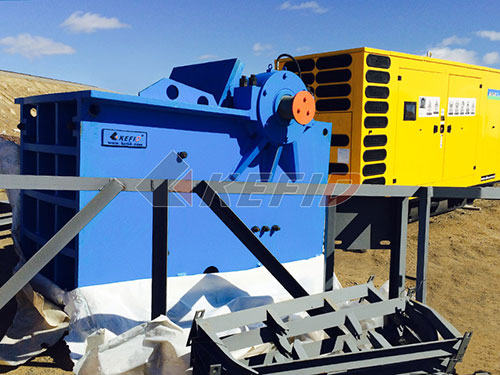

Trituración de hormigón: Transforming Waste into Sustainable Value
Across the globe, the construction industry grapples with a monumental challenge: what to do with the staggering volume of concrete debris generated by demolition, renovación, and construction activities. Landfilling this inert but bulky material is environmentally unsustainable and economically wasteful. Enter concrete crushing – a sophisticated process that transforms rubble into valuable recycled aggregates, closing the loop in construction materials and driving sustainability.
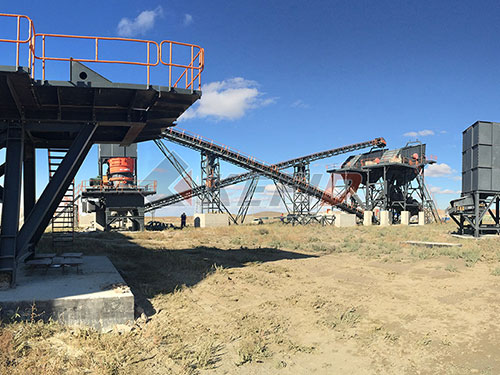
The Core Process: De escombros a recursos
Concrete crushing isn't simply pulverizing chunks of old slabs. It's a multi-stage operation designed to efficiently break down reinforced concrete structures into clean, reusable materials:
1. Preparación: Before crushing begins, meticulous preparation is key. Large structures are systematically demolished. Critical pre-crushing steps involve removing contaminants like wood, plástica, rieles (especially rebar), trozos de asfalto, and soil. Powerful electromagnets effectively extract ferrous metals (barra de refuerzo), while techniques like water blasting or manual sorting remove other impurities.
2. Trituración Primaria: Large chunks of concrete (a menudo excediendo 3 pies) are fed into robust primary crushers, typically jaw crushers or large impactors. These machines apply immense compressive force, breaking the concrete down into more manageable pieces roughly 6-12 inches in size.
3. Secundario & Trituración Terciaria: The output from primary crushing undergoes further refinement in secondary crushers (like cone crushers or impactors) and sometimes tertiary crushers (often vertical shaft impactors - VSI). This stage focuses on reducing particle size further and shaping the aggregate for optimal performance in new applications.
4. Cribado & Clasificación: Crushed material passes through vibrating screens with different mesh sizes. This crucial step separates the aggregate into specific size fractions (p.ej., base course material, piedra de drenaje, finer aggregates). Any remaining metal fragments are typically removed again at this stage using magnets or specialized separators.
5. Producto final: The result is high-quality Recycled Concrete Aggregate (RCA) in various gradations – from coarse aggregates suitable for new concrete mixes to finer materials for road base or drainage layers.
The Machinery Behind the Transformation
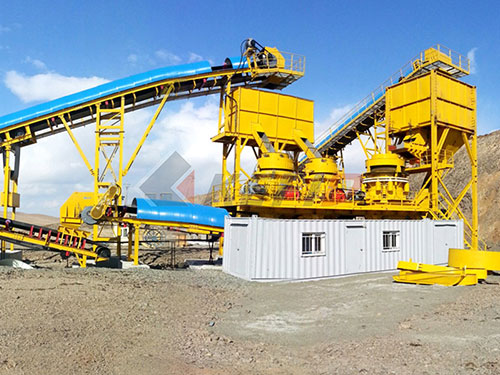
Modern concrete recycling relies on powerful mobile and stationary equipment:
trituradoras de quijada: Ideal for primary crushing due to their high reduction ratio and ability to handle large feed sizes.
Trituradoras de Impacto (Horizontal & Eje vertical): Excellent for secondary/tertiary stages; known for producing well-shaped aggregate particles and handling moderately abrasive