
Planta de trituración y cribado
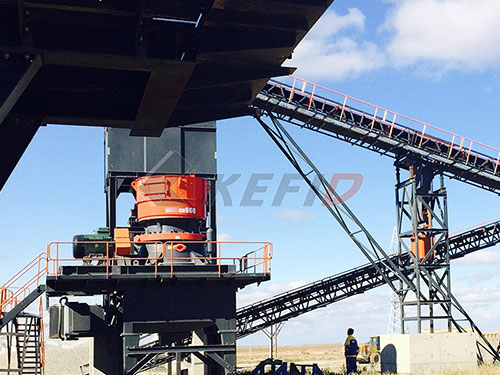

Crushing and Screening Plants: The Engine of Modern Aggregate Production
The foundation of virtually every construction project – from highways and bridges to buildings and dams – rests upon aggregates: piedra triturada, arena, y grava. Extracting these vital raw materials efficiently and transforming them into precisely graded products is the core function of Crushing and Screening Plants (CSPs). These sophisticated installations represent far more than simple rock breakers; they are complex material processing systems engineered for maximum productivity, product quality control, eficiencia operativa, y cumplimiento ambiental.
Comprender la función principal
En su esencia, a crushing and screening plant receives raw feed material (run-of-quarry rock or recycled concrete/asphalt) directly from an excavator or loader at the extraction site or a stockpile. Its primary objectives are:
1. Reducción de tamaño: Progressively breaking down large boulders into smaller fragments through multiple crushing stages.
2. Clasificación: Separating the crushed material into distinct size fractions using screening equipment.
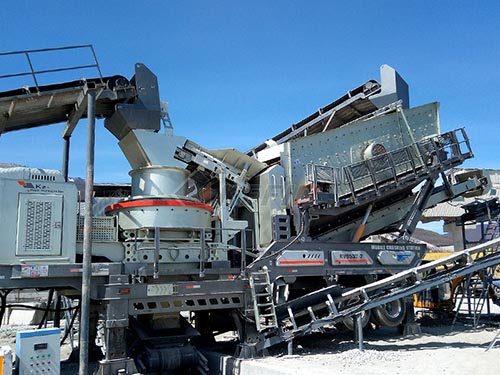
3. Almacenamiento: Depositing the final graded products onto designated stockpiles ready for transport or further processing.
The plant's configuration is dictated entirely by the characteristics of the feed material (dureza, abrasividad, contenido de humedad), especificaciones requeridas del producto final (distribución de tamaño), desired production capacity (toneladas por hora), restricciones del sitio (space availability), regulaciones ambientales (dust/noise control), and budget considerations.
Deconstructing the Plant: Componentes
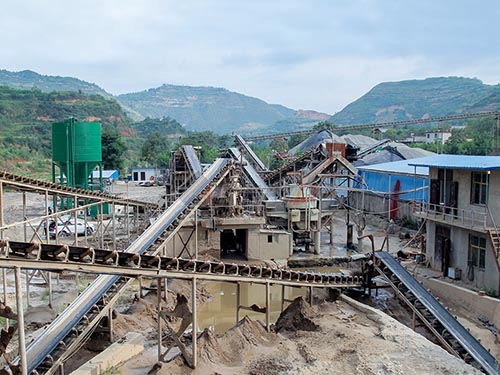
A typical CSP integrates several interconnected systems:
1. Sistema de alimentación: This initiates the process.
Feed Hoppers: Large bins that receive raw material from dump trucks or loaders.
Comederos: Mechanisms that regulate the flow of material from the hopper onto the conveyor belt feeding the primary crusher. Los tipos comunes incluyen:
Alimentadores vibratorios Grizzly: Combine feeding with pre-screening; grizzly bars allow undersized material to bypass primary crushing.
Alimentadores de delantal: Robust feeders ideal for handling heavy-duty applications with large lumps or sticky materials.
Belt Feeders: Suitable for consistent flow of relatively uniform material.
2. Circuito de trituración: The heart of size reduction.
Trituradoras primarias: Designed to handle large feed sizes directly from mining/quarrying operations.
trituradoras de quijada: Utilize compressive force between a fixed jaw plate and a moving jaw plate; excellent for hard rock; produces relatively coarse output.