
maquina trituradora
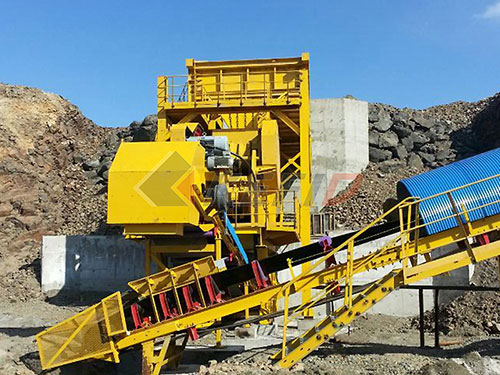

The Unsung Hero of Industry: Unpacking the Power of the Crusher Machine
From towering skyscrapers to the smartphone in your hand, modern civilization rests quite literally on a foundation of processed materials. At the heart of this transformation – reducing massive rocks, losas de concreto, or mineral ores into manageable fragments – lies a workhorse often overlooked: the Crusher Machine. More than just brute force, these machines are sophisticated pieces of engineering essential for countless industries.
La función central: Size Reduction Reigns Supreme
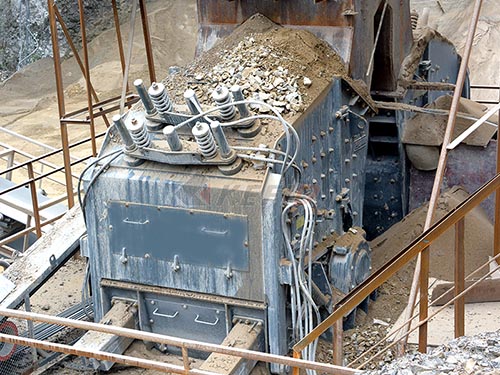
The fundamental purpose of any crusher is simple yet critical: reducción de tamaño. Whether it's primary crushing of blasted quarry rock down to boulder size or tertiary crushing producing fine aggregates for asphalt or concrete, crushers break down large, unwieldy materials into specific dimensions required for further processing or end-use.
Diverse Designs for Diverse Tasks
No single crusher fits all needs. The industry relies on several distinct types, each excelling in specific applications based on material hardness, required output size, capacity demands, y costos operativos:
1. trituradoras de quijada: The robust primary crushers. Imagine powerful jaws compressing material between a fixed and a moving plate – ideal for hard rock and initial size reduction.
2. trituradoras de cono: Masters of secondary and tertiary crushing within closed circuits (often paired with screens). They crush material between an eccentrically gyrating mantle and a concave bowl liner, producing well-shaped aggregates efficiently.
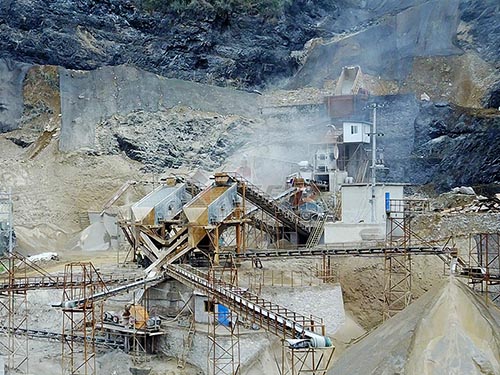
3. Trituradoras de Impacto (Impactadores de eje horizontal - HSI / Impactadores de eje vertical - TODOS): Utilizing high-speed rotors and hammers/anvils to literally impact material into smaller pieces via collision or centrifugal force.
HSI: Excelente para materiales más blandos como piedra caliza u hormigón/asfalto reciclado; good cubicity.
TODOS: El "roca sobre roca" champions for shaping aggregates and producing high-quality sand fines; crucial for manufactured sand production.
4. trituradoras giratorias: Similar in concept to jaw crushers but capable of handling much larger capacities; typically used in large mining operations as primary crushers.
5. trituradoras de rodillos & Molinos de martillos: Often used for softer materials like coal or minerals; roll crushers use compression between rotating cylinders while hammer mills employ swinging hammers impacting material against breaker plates.
Where Crushers Drive Progress
The applications are vast and foundational:
Minería & cantera: Primary extraction of minerals