
trituradora de piedra en nepal
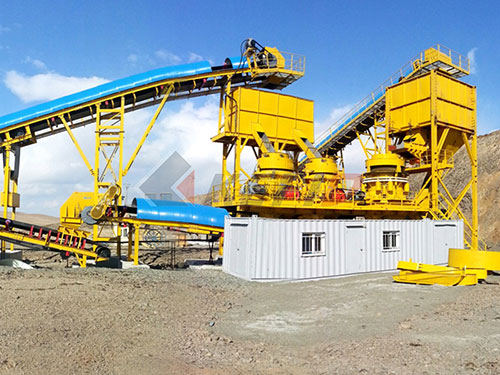

La piedra que construye: Nepal's Crusher Industry at a Crossroads
Nepal's dramatic landscape of towering Himalayas and deep river valleys isn't just scenic; Proporciona la base literal para el desarrollo.. Fueling the nation's relentless drive for infrastructure – roads, edificios, Proyectos hidroeléctricos: es la industria trituradora., a vital yet often contentious sector operating at the intersection of economic necessity and environmental responsibility.
El motor de la construcción:
En su esencia, the crusher industry transforms large rocks and boulders, primarily sourced from riverbeds and quarries in the Churia Hills (Siwaliks), into essential construction materials:
1. Agregados: Crushed stones of varying sizes (coarse aggregate for concrete, fine aggregate or sand).
2. Grava: Used for foundations, drenaje, and road sub-bases.
3. Arena: A critical component in concrete and mortar.
This processed material forms the backbone of Nepal’s booming construction sector. From the expanding ring roads around Kathmandu to rural infrastructure projects and massive hydropower dam constructions in remote regions, crusher plants are indispensable suppliers.
Geographical Footprint:
Crusher plants are strategically located near raw material sources to minimize transport costs:
River Valleys: Major river systems like the Trishuli, Sunkoshi, Bhotekoshi, Tamakoshi (Koshi basin), Narayani (Gandaki basin), Karnali, and their tributaries host numerous plants extracting sand and gravel.
Hill Slopes: Quarries in the fragile Churia Hills provide larger boulders for crushing.
Proximity to Demand: Significant clusters exist around major urban centers like Kathmandu Valley (Bhaktapur, Kavre, Dhading districts), Pokhara, Butwal-Bhairahawa corridor, Nepalgunj, and areas near large hydropower project sites.
Economic Significance:
The industry provides substantial economic benefits:
Employment Generation: It creates direct jobs in operation, mantenimiento, transporte (camiones), loading/unloading – often crucial employment in rural areas with limited alternatives.
Supporting Infrastructure Development: Supplying affordable raw materials is fundamental to building roads, escuelas, hospitales, alojamiento, and energy projects critical for national progress.
Revenue Stream: Government royalties on extracted materials contribute to local and national coffers.
Mounting Environmental & Social Challenges:
Sin embargo,the industry's operations cast a long shadow:
1.