
arena triturada vs arena de rio

Crushed Sand vs River Sand: Making an Informed Choice for Modern Construction
For centuries, river sand has been the undisputed champion of construction aggregates, forming the backbone of concrete and mortar worldwide. Sin embargo, growing environmental concerns, regulatory restrictions on river sand mining, and the quest for more sustainable building practices have propelled Manufactured Sand (M-Arena), o arena triturada, into the spotlight. Understanding the differences between these two key materials is crucial for engineers, contratistas, and developers aiming for durable, rentable, and environmentally responsible projects.
The Traditional Choice: River Sand
Origen & Formation: Naturally occurring, extracted from riverbeds or floodplains through dredging or mining. Formed over millennia by the weathering and erosion of rocks.
Forma de partícula: Typically rounded or sub-rounded due to natural abrasion during water transport.
Gradación: Often poorly graded (lacking a balanced mix of particle sizes), can contain silt, arcilla, organic impurities, and salts depending on the source.
Contenido de humedad: Naturally high moisture content requires careful management during batching.
Disponibilidad & Costo: Increasingly scarce due to depletion of deposits and strict environmental regulations banning indiscriminate mining in many regions. Scarcity drives up cost significantly.
Impacto ambiental: High negative impact: Disrupts river ecosystems, causes bank erosion, lowers water tables (affecting agriculture), destroys habitats (aquatic life), increases flood risk downstream due to altered riverbeds.
The Modern Alternative: Crushed Sand (M-Arena)
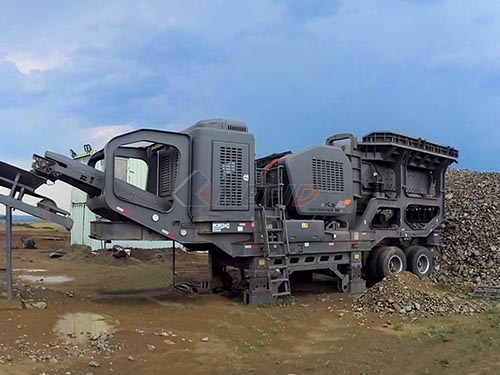
Origen & Formation: Artificially produced by crushing hard rocks (granito, basalto) using vertical shaft impactors (TODOS) or cone crushers in controlled quarry environments.
Forma de partícula: Angular or cubical shape due to mechanical crushing process.
Gradación: Precisely controlled gradation achievable through advanced crushing and screening processes to meet specific standards (p.ej., ES 383 Zone-II). Minimal impurities (clay/silt) if washed properly.
Contenido de humedad: Low moisture content as it's manufactured dry; requires less water adjustment in concrete mixes.
Disponibilidad & Costo: Reliable supply chain from rock quarries; price generally more stable than river sand and often lower in regions with restricted river mining. Initial setup cost exists but offers long-term predictability.
Impacto ambiental: Significantly lower impact when sourced responsibly: Utilizes existing