
Línea de trituración de granito Congo 80tph
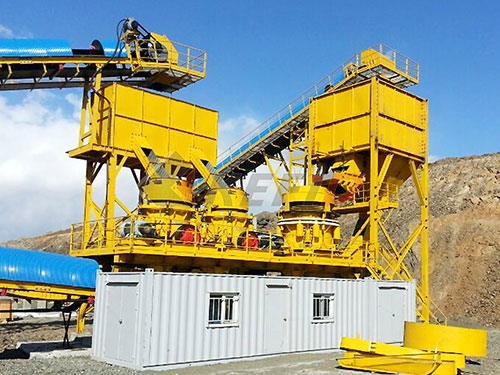

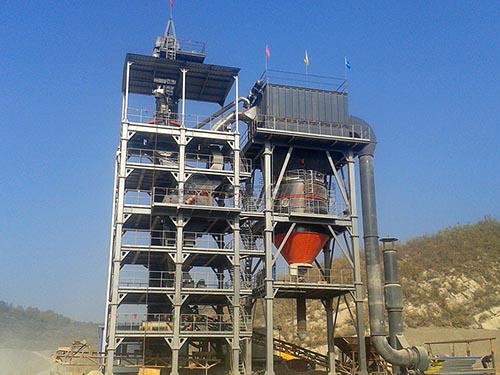
Línea de trituración de granito Congo 80tph: A Case Study in Efficient Aggregate Production
Introducción
La República Democrática del Congo (República Democrática del Congo), endowed with abundant mineral resources, has seen growing demand for infrastructure development in recent years. To support construction projects, the need for high-quality aggregates has surged. One notable example is the establishment of an 80-ton-per-hour (tph) granite crushing line in the region. This project exemplifies how tailored engineering solutions can overcome logistical and operational challenges while delivering sustainable results. Aquí, we explore the design, implementación, and outcomes of this critical infrastructure initiative.
Antecedentes del proyecto
Granito, a durable and versatile material, is widely used in road construction, cimientos de construcción, y producción de hormigón. In the DRC’s resource-rich but infrastructure-limited environment, setting up a reliable crushing plant required addressing multiple challenges:
1. Power Supply Limitations: Unstable grid electricity necessitated energy-efficient equipment and backup power solutions.
2. Limitaciones logísticas: Remote locations demanded modular, transportable machinery to reduce setup time and costs.
3. Consideraciones ambientales: Minimizing dust, ruido, and water pollution was critical to comply with local regulations and community expectations.
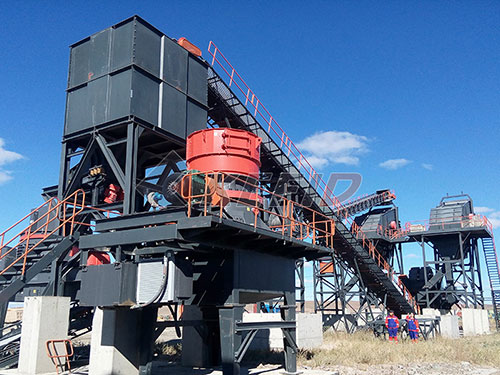
Crushing Line Design & Equipment Configuration
The 80tph granite crushing line was engineered to maximize efficiency while adapting to local conditions. La configuración incluye:
1. Etapa de trituración primaria:
- Una trituradora de mandíbulas robusta (p.ej., PE600×900) processes raw granite blocks (≤500mm) en agregados gruesos. Its simple structure ensures reliability in high-dust environments.
2. Etapa de trituración secundaria:
- Una trituradora de cono hidráulica (p.ej., HPT300) further reduces material size to ≤40mm. Its automated adjustment system optimizes particle shape and throughput.
3. Screening & Conveying:
- Multi-layer vibrating screens classify aggregates into 0-5mm, 5-15milímetros, and 15-31.5mm specifications for diverse applications.
- Belt conveyors with dust covers ensure seamless material transfer while mitigating environmental impact.
4. Power System:
- Diesel generators supplement grid power to maintain uninterrupted operations during outages.
Key Innovations & Adaptations
1. Diseño modular: Pre-assembled components reduced on-site installation time by 30%, crucial for remote areas with limited technical support.
2. Supresión de polvo: Water spray