
principio de funcionamiento de la trituradora de cono
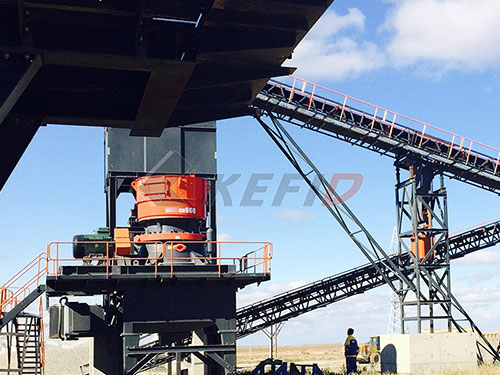

La fuerza inquebrantable: trituradoras de cono - Dominio de la ingeniería & Strategic Investment in Serbia's Mineral Wealth
Introducción
Within the thunderous heart of modern mining and aggregate production lies a machine of remarkable precision and power: la trituradora de cono. Venerado por su eficiencia en la reducción de duro, materiales abrasivos en fracciones de tamaño preciso, it is an indispensable tool shaping the foundations of our built environment and resource extraction industries. Understanding its intricate working principle is paramount for operators seeking optimal performance and longevity. Simultáneamente, identifying regions ripe for industrial growth presents compelling investment opportunities. Serbia, strategically positioned in Southeast Europe with significant mineral resources and burgeoning infrastructure development, emerges as a particularly promising landscape for deploying this technology and capitalizing on its potential.
I. Deconstructing the Powerhouse: The Working Principle of Cone Crushers
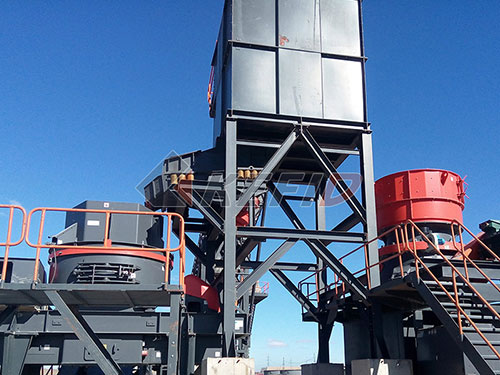
En su esencia, a cone crusher operates on the fundamental principle of compressive crushing. Unlike impact crushers that utilize sudden force via hammers or blow bars, cone crushers apply sustained pressure between two surfaces – one moving and one stationary – to fracture rock.
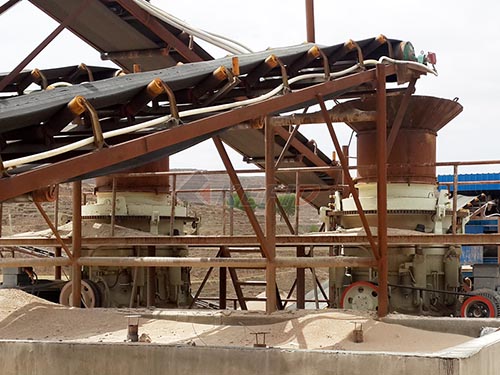
Here’s a detailed breakdown of its operation:
1. Los componentes principales:
Manto: A wear-resistant manganese steel cone attached to the main shaft assembly.
Concave/Bowl Liner: A stationary manganese steel surface surrounding the mantle.
Eje principal: The central axis carrying the mantle.
Asamblea excéntrica: A key mechanism consisting of an eccentric bushing or sleeve surrounding the main shaft below the mantle. This bushing has an off-center bore.
Countershaft/Pinion Shaft: Transmits rotational power from the drive motor via gears (typically spiral bevel gears) to rotate the eccentric assembly.
Sistema hidráulico: Modern cone crushers heavily rely on hydraulics for:
Adjustment of the crusher setting (Configuración del lado cerrado - CSS).
Clearing blockages (liberación de vagabundos).
Supporting main shaft position via hydraulic cylinders acting as accumulators.
Providing overload protection.
2. The Gyratory Motion - El latido del corazón del aplastamiento:
When power is applied via the drive motor to the countershaft/pinion shaft, it rotates.
This rotation engages with gears on the eccentric assembly.
Because the eccentric bushing has an off-center bore relative to its outer circumference where it meshes