
Planta trituradora de piedra comercial Precio competitivo
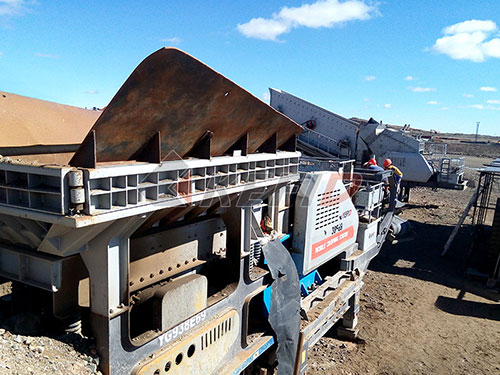

H1: Optimize Your Aggregate Production with a HighEfficiency Commercial Stone Quarry Crushing Plant
Subtítulo: Engineered to reduce costperton, maximize uptime, y entregar consistentemente, specification aggregate for largescale operations.
1. The Operational Challenges of Modern Aggregate Production
Managing a commercial stone quarry is defined by the relentless pressure to control costs and maintain output. The primary bottlenecks often center on the crushing circuit. ¿Estás enfrentando estos desafíos cuantificados??
Tiempo de inactividad excesivo para mantenimiento: Paros no planificados por cambios de línea, fallas en los rodamientos, or clogging can cost over $1,000 por hora en producción y mano de obra perdidas.
High CostPerTon of Finished Aggregate: Inefficient crushing stages, poor chamber designs, and excessive wear part consumption directly erode your profit margins on every load shipped.
Gradación de producto inconsistente: Las fluctuaciones en el tamaño de la producción provocan el rechazo del producto., retriturar, and an inability to meet tight specifications for premium asphalt or concrete projects.
Aumento de los costos de la energía: Más viejo, mechanically inefficient plants consume disproportionate power without corresponding gains in throughput.
Escalabilidad & Limitaciones de flexibilidad: Can your current setup efficiently handle varying feed materials or quickly adjust to produce different aggregate products as market demands shift?
La pregunta central para los gerentes de planta es esta: how can you systematically lower your operating expenses while increasing reliable throughput? The answer lies in a purposeengineered commercial stone quarry crushing plant.
2. Descripción general del producto: A Modular Crushing & Sistema de detección

This commercial stone quarry crushing plant is a stationary or semimobile configuration of primary, secundario, and tertiary crushers—typically jaw, cono, and impact crushers—integrated with vibrating screens and conveyor systems. It is designed for the continuous highvolume processing of limestone, granito, basalto, y otros agregados abrasivos.
Flujo de trabajo operativo:
1. Reducción de tamaño primario: Dumpfed material is reduced by a robust jaw crusher or gyratory crusher to a manageable size (típicamente <8").
2. Pre-selección & Trituración Secundaria: El material es tamizado; oversize is routed to cone crushers for further reduction to intermediate sizes.
3. Conformación Terciaria/Cuaternaria: For precise cubical product (papas fritas, arena), impacto de eje vertical (TODOS) crushers or fine cone crushers are employed.
4. Proyección final & Almacenamiento: Crushed material is sorted into specified grades (p.ej., 57 piedra, 8 grava) via multideck screens and conveyed to designated stockpiles.
Ámbito de aplicación & Limitaciones:
Alcance: Ideal for highvolume (2502,500 TPH) producción de agregados de construcción (base de la carretera, piedra de hormigón, astillas de asfalto), escollera, y lastre ferroviario. Suitable for both greenfield installations and legacy plant upgrades.
Limitaciones: No diseñado para minería subterránea., procesamiento de minerales metalicos, or very smallscale (<100 TPH) operations without specific configuration.
3. Características principales: Ingeniería para el retorno de la inversión

Geometría de cámara avanzada | Base técnica: Cinemática modelada por computadora & optimización del perfil de desgaste | Beneficio operativo: Consistent output gradation with less wear metal fatigue | Impacto del retorno de la inversión: Arriba a 15% longer liner life reduces part costs and changeout downtime
Sistema de control automatizado centralizado | Base técnica: PLCbased monitoring with loadmanagement algorithms | Beneficio operativo: Optimizes crusher feed rates and prevents costly overloads automatically | Impacto del retorno de la inversión: Protects major components; Los datos de campo muestran una 58% reducción del consumo de energía
Estructura de acero fabricada de alta resistencia | Base técnica: Análisis de elementos finitos (FEA) validated structural design | Beneficio operativo: Eliminates frame flexing under load, Garantizar una alineación precisa de los componentes de trituración. | Impacto del retorno de la inversión: Reduces vibrationinduced maintenance; extends mechanical life of bearings and shafts
Transportador modular & Sistema de pasarela | Base técnica: Standardized bolttogether sections with safetyintegrated access | Beneficio operativo: Enables faster plant reconfiguration and provides safe, compliant maintenance access | Impacto del retorno de la inversión: Reduce el tiempo de instalación/reubicación hasta en 30%, improving project flexibility
Supresión de polvo integrada & Reducción del ruido | Base técnica: Boquillas de aspersión estratégicamente ubicadas y paneles de amortiguación acústica. | Beneficio operativo: Maintains regulatory compliance and improves onsite working conditions | ROI Impact Mitigates risk of work stoppages due to environmental or safety violations
4. Ventajas competitivas
| Métrica de rendimiento | Línea de base estándar de la industria | Esta solución de planta trituradora | Ventaja documentada |
| : | : | : | : |
| Disponibilidad / tiempo de actividad | 8588% (programado & tiempo de inactividad no programado) | 9295% system availability target| +7% improvement in productive hours |
| Costo de desgaste por tonelada procesada| Varía según el tipo de roca.; línea de base = 100%| Reducción media de 2025%| Direct reduction in consumables expense |
| Consumo de energía (kWh/tonelada)| Línea de base = 100%| Reducción de 510% depending on duty cycle| Lower operational cost per ton produced |
| Cubicidad del producto (% relación) para agregado de concreto| ~75% cubical product from standard cones| >85% cubical product from optimized circuit| Highervalue end product with less waste fines |
5. Especificaciones técnicas
Rango de capacidad de diseño: Configurable desde 250 a 1,800 toneladas por hora (TPH), dependiendo de la dureza del material de alimentación (p.ej., piedra caliza vs.. granito) y tamaño del producto final.
Opciones de trituradora primaria: Cursor de mandíbula (900x1200mm a 1500x2000mm) o trituradora giratoria primaria (42" a 60" apertura de alimentación).
Requisitos de energía: La potencia total instalada normalmente oscila entre 800 kW a 2.5 megavatio. Plants are designed for connection to highvoltage grid supply or integration with onsite generator sets.
Especificaciones de materiales: Fabricado con acero estructural S355JR; Revestimientos disponibles en múltiples grados de acero al manganeso. (14%, 18%, 22%) o aleaciones compuestas para una resistencia específica a la abrasión.
Dimensiones físicas clave: El diseño modular permite la adaptación; un estándar 500 TPH plant footprint may approximate 80m (l) x 35m (W.). Height dictated by screen decks and surge bins.
Rango de operación ambiental: Diseñado para temperaturas ambiente de 20°C a +45°C. Dust suppression systems are rated for operation where water is available at minimum pressure/flow specifications.
6. Escenarios de aplicación
LargeScale Limestone Quarry Supplying State DOT Projects
Desafío: Needed consistent 57 stone meeting strict state DOT gradation specs while increasing output by 40% to fulfill a major highway contract.
Solución: Implementation of a threestage crushing plant featuring a large jaw crusher, two secondary cone crushers with automated settings control, and a tertiary shaping circuit.
Resultados: Se logró una producción en estado estacionario de 650 TPH of inspec material. Automated controls reduced gradation deviations by over 60%, virtually eliminating load rejections.
Granite Quarry Expanding into Manufactured Sand Market
Desafío: Existing plant produced excess quarry fines as waste; market demand shifted towards highquality concrete sand.
Solución: Integration of a Vertical Shaft Impact (TODOS) crusher into the existing circuit as a tertiary stage specifically for sand manufacturing.
Resultados: Converted waste fines into premium concrete sand product at ~150 TPH. Added new revenue stream with minimal additional footprint payback period under two years.
7. Consideraciones comerciales
Niveles de precios:
Base Plant Configuration (Primario + Secundario + Detección básica): For standard aggregate production.
HighSpec Configuration (+Conformación terciaria + Automatización avanzada + Control de polvo): For premium product markets requiring tight tolerances.
Fully Mobile/SemiMobile TrackMounted Version: For multisite operators or temporary project sites.
Características opcionales & Actualizaciones:
Paquete telemático de monitorización remota
Automated wear part monitoring systems
Extra heavyduty skid bases for seismic zones
Onboard diesel generator power modules
Paquetes de servicios:
Comprehensive warranty covering parts and labor
Scheduled maintenance plans with guaranteed response times
Wear part supply agreements with volumebased pricing
Financing options are available through partner institutions including equipment leasing capital expenditure loans tailored to project cash flow models.
Preguntas frecuentes
Q1 Is this plant compatible with our existing primary excavators haul trucks?
A Yes plants are engineered around your specific feed size which is determined by your loading equipment We will review your current fleet's bucket capacity truck bed dimensions during the design phase
Q2 What is the expected implementation timeline from order commissioning?
A For a standard configured plant delivery typically occurs within months depending on complexity Site foundation preparation can proceed in parallel Commissioning operator training require weeks
Q3 How does the automation system impact our current operational staff?
A The system reduces the burden of manual adjustments constant monitoring It allows your skilled operators focus on overall flow optimization predictive maintenance rather than reactive controls Staff require training on the new HMI interface which we provide
Q4 Can you provide detailed documentation supporting the claimed efficiency improvements?
A Yes We provide certified test reports from independent laboratories detailing energy consumption wear rates under controlled conditions Furthermore we can share anonymized case study data from comparable installations operating in similar geology
Q5 What are the key factors that determine final pricing?
A The three primary cost drivers are capacity required final product mix number of crushing stages required level automation specified Site specific requirements like special environmental controls also factor into the final quotation