
Commercial Slag Crusher Plant Dealer
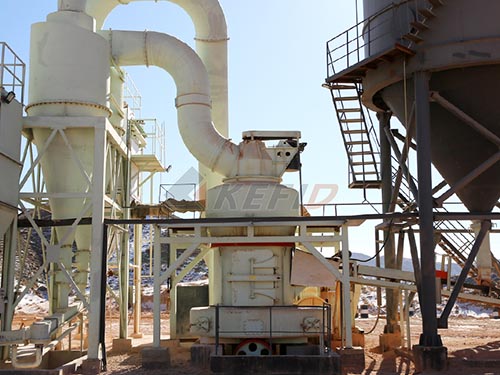

Commercial Slag Crusher Plant Dealer: Engineering Solutions for HighVolume Metallurgical Waste Processing
El desafío operativo: When Slag Becomes a Cost Center
Cada 1,000 tons of steel produced generates approximately 150–200 tons of slag. For a midsized steel mill producing 500,000 toneladas anuales, that translates to 75,000–100,000 tons of byproduct requiring processing, almacenamiento, or disposal. Landfill tipping fees alone can consume $2–$5 per ton, while unprocessed slag occupies valuable plant real estate and creates environmental compliance exposure.
Your current processing setup likely faces three recurring issues: premature crusher wear from abrasive slag constituents, inconsistent final product gradation that fails to meet aggregate specifications, and downtime costs that accumulate at $500–$1,500 per hour of lost production. When your existing equipment requires rebuilds every 6–8 months instead of the projected 18–24 months, the capital replacement cycle becomes a recurring budget line item rather than a onetime investment.
The question is not whether to process slag—it is whether your current crushing solution delivers the throughput, llevar vida, and product consistency your commercial operation demands. This is where a purposeengineered slag crusher plant changes the economic equation.
Descripción general del producto: Integrated Slag Crushing and Screening Systems
A commercial slag crusher plant is a multistage processing system designed specifically for metallurgical slag—the byproduct of steelmaking, operaciones de fundición, and nonferrous smelting. Unlike conventional aggregate crushers, these plants incorporate specialized wearresistant components, magnetic separation stages, and screening circuits engineered for slag's unique physical properties: high abrasivity (Mohs hardness 6–7), variable density, and metallic content that requires recovery.
Flujo de trabajo operativo
1. Reducción Primaria: Runofpile slag (up to 24inch feed size) enters a heavyduty jaw crusher or impact crusher with manganese or ceramic composite liners, reducing material to 4–6 inches while liberating entrapped metallic particles.
2. Separación magnética: A suspended overbelt magnet and head pulley magnet extract ferrous metals (typically 10–15% of feed weight), which are diverted to a metal recovery stockpile for resale to steel producers.
3. Trituración Secundaria: The nonferrous fraction passes through a cone crusher or vertical shaft impactor configured for slagspecific reduction ratios, producing 1.5inch minus material.
4. Detección y clasificación: A multideck vibrating screen separates material into commercial fractions—typically 0–5mm, 5–10 mm, 10–20 mm, and 20–40mm—with recirculation of oversize material back to the secondary crusher.
5. Recuperación final de metales: A secondary magnetic separation stage removes residual metallic fines before the finished aggregate is conveyed to stockpiles or directly loaded for dispatch.
Ámbito de aplicación
This equipment addresses steel mill slag yards, productores de ferroaleaciones, fundiciones, and construction material processors handling electric arc furnace (EAF), horno de oxígeno básico (BOF), cucharón, and induction furnace slag. The system is not suitable for radioactive materials, explosive waste streams, or slag containing significant moisture above 15%, which would require predrying.
Características principales: Engineering Specifications for Commercial Durability
HighChrome Alloy Wear Components
Base técnica: Cr26–Cr28 highchrome iron with ceramic composite inserts provides 2–3 times the abrasion resistance of standard manganese steel (12–14% millones) in slag applications.
Beneficio operativo: Your operators will experience fewer liner changeouts—typically extending service intervals from 3–4 months to 9–12 months in continuous operation.
Impacto del retorno de la inversión: Annual wear parts cost reduction of 35–45% compared to standard crusher configurations, translating to $18,000–$25,000 savings per year for a 150 Planta TPH.
Sistema de separación magnética de doble etapa
Base técnica: Neodymium overbelt magnets (12,000–14,000 gauss) combined with permanent magnetic head pulleys achieve 95–98% ferrous metal recovery efficiency.
Beneficio operativo: This addresses your challenge of metal contamination in finished aggregate, allowing you to sell both the aggregate and recovered scrap metal as revenue streams.
Impacto del retorno de la inversión: Metal recovery at 10–15% of feed weight generates $2–$4 per ton of slag processed, potentially offsetting 20–30% of total processing costs.
Hydraulic Relief and Clearing System
Base técnica: Accumulatorbased hydraulic cylinders provide tramp iron protection with 25millisecond response time, preventing catastrophic damage from uncrushable materials.
Beneficio operativo: Your maintenance team will spend less time on unblocking operations—reducing downtime from an industry average of 4–6 hours per incident to under 30 minutos.
Impacto del retorno de la inversión: At $800/hour lost production cost, each avoided blockage saves $2,800–$4,000.
Unidad de frecuencia variable (VFD) Conveyor Controls
Base técnica: VFDequipped conveyors adjust belt speed based on crusher load feedback, maintaining optimal feed rates and preventing surge conditions.
Beneficio operativo: Your operators gain automated load management, reducing manual intervention and the risk of human error in feed rate control.
Impacto del retorno de la inversión: Consistent feed rates improve crusher efficiency by 8–12%, reducing specific energy consumption by 0.5–0.8 kWh per ton processed.
Diseño modular montado sobre patines
Base técnica: Preengineered modular units with quickconnect piping and electrical interfaces reduce installation time by 60% compared to siteerected systems.
Beneficio operativo: Your project team can commission the plant in 2–3 weeks rather than 8–10 weeks, accelerating revenue generation from slag processing.
Impacto del retorno de la inversión: Earlier commissioning translates to 6–8 additional weeks of processing revenue in the first year of operation.
Integración del sistema de supresión de polvo
Base técnica: Engineered water spray nozzles at transfer points and crusher discharge achieve 85–90% dust suppression efficiency, meeting EPA and local air quality standards.
Beneficio operativo: Your facility avoids regulatory fines (typically $10,000–$25,000 per violation) and maintains safer working conditions for operators.
Impacto del retorno de la inversión: Compliance assurance eliminates potential annual penalty exposure of $50,000–$100,000 for noncompliant operations.
PLCBased Process Control with Remote Monitoring
Base técnica: AllenBradley or Siemens PLC systems with HMI touchscreen interfaces provide realtime monitoring of crusher settings, temperaturas de los rodamientos, niveles de vibración, y tasas de producción.
Beneficio operativo: Your plant manager can access production data remotely, enabling proactive maintenance scheduling and performance optimization without requiring onsite presence.
Impacto del retorno de la inversión: Predictive maintenance reduces unplanned downtime by 20–25%, adding 150–200 operating hours annually.
Ventajas competitivas: Comparación de rendimiento
| Métrica de rendimiento | Estándar de la industria (Trituradora convencional) | Solución de planta trituradora de escoria comercial | Ventaja |
|||||
| Wear Parts Service Life | 3–4 months (acero al manganeso) | 9–12 months (highchrome composite) | 200–300% longer |
| Ferrous Metal Recovery Rate | 60–70% (single magnet stage) | 95–98% (dualstage magnetic separation) | 35–40% improvement |
| Consistencia de la gradación del producto | ±15% deviation from spec | ±5% deviation from spec | 66% mejora |
| Consumo de energía específico | 2.5–3.5 kWh/ton | 1.8–2.4 kWh/ton | 25–30% de reducción |
| Tiempo de inactividad no planificado | 15–20% of operating time | 5–8% of operating time | 60–70% de reducción |
| Final Product Marketability | Limitado (contaminated with metals) | Full commercial aggregate specification | Expanded market access |
| Tiempo de instalación | 8–10 weeks (siteerected) | 2–3 weeks (modular) | 60–70% faster |
Especificaciones técnicas
Model Range and Capacities
| Especificación | Modelo SCP150 | Modelo SCP250 | Modelo SCP400 |
|||||
| Capacidad de procesamiento | 150 TPH | 250 TPH | 400 TPH |
| Tamaño máximo de alimentación | 600 milímetros (24 en) | 800 milímetros (32 en) | 1000 milímetros (40 en) |
| trituradora primaria | Jaw Crusher 36×24 | Jaw Crusher 48×36 | Impact Crusher 60×40 |
| Trituradora secundaria | trituradora de cono 3 pie | trituradora de cono 4.25 pie | trituradora vsi 850 milímetros |
| Tamaño de pantalla | 1.5 metro × 4.5 metro (3cubierta) | 1.8 metro × 6.0 metro (3cubierta) | 2.4 metro × 6.0 metro (3cubierta) |
| Potencia instalada | 250–320 kW | 400–500 kilovatios | 650–800 kW |
| Separador magnético | 1,200 mm overbelt | 1,500 mm overbelt | 1,800 mm overbelt |
| Peso total de la planta | 85–110 tons | 140–170 tons | 220–260 tons |
| Rango de temperatura de funcionamiento | 10°C a 50°C | 10°C a 50°C | 10°C a 50°C |
| Requisito de agua para supresión de polvo | 8–12 m³/hour | 12–18 m³/hour | 18–25 m³/hour |
Especificaciones de materiales
- Material de alimentación: EAF, BOF, cucharón, and foundry slag with up to 15% contenido de humedad
- Feed Composition: 10–15% ferrous metals, 85–90% mineral fraction
- Producto final: 0–5mm, 5–10 mm, 10–20 mm, 20–40mm aggregates meeting ASTM D2940 or equivalent specifications
- Construcción: Heavyduty structural steel frame (Grado S355), abrasionresistant liners (500 Dureza Brinell), and corrosionprotected components
- Arrendamiento de Equipo: 36–Plazos de 60 meses con $1 opción de compra, preserving working capital
- ProductionBased Financing: Pagos vinculados al tonelaje procesado, aligning costs with revenue generation
- Municipal/Industrial Bond Financing: Available for qualifying facilities with environmental compliance mandates
- TradeIn Programs: Credit of 15–25% of new equipment value for existing crushing systems
Escenarios de aplicación: Documented Field Performance
Procesamiento integrado de escoria de acería
Desafío: A 2.5 milliontonperyear integrated steel plant in Western Europe was landfilling 180,000 tons of BOF slag annually at €12/ton disposal cost, while simultaneously purchasing natural aggregates for road construction at €15/ton.
Solución: Instalación de un 250 TPH slag crusher plant with dual magnetic separation and threestage screening, positioned adjacent to the steelmaking shop.
Resultados: Within 12 meses, the plant processed 210,000 tons of slag, recuperado 28,000 tons of metallic scrap (sold at €180/ton), and produced 175,000 tons of commercial aggregates (sold at €8–12/ton). Net annual revenue generation of €1.2 million, with landfill costs reduced by 92%.
Foundry Slag Recycling for Construction Materials
Desafío: A midsized ferrous foundry in the Midwest United States accumulated 45,000 tons of slag over 15 años, facing EPA pressure to remediate the storage site and a $2.8 million estimated cleanup cost.
Solución: Deployment of a mobile 150 TPH slag crushing and screening plant with integrated magnetic separation, processing stockpiled slag over an 18month campaign.
Resultados: The plant processed 52,000 tons of slag, recuperado 6,500 tons of metallic content (recycled back into the foundry charge), and produced 44,000 tons of DOTapproved aggregate for local road construction. The foundry eliminated its environmental liability and generated $380,000 in aggregate sales revenue.
NonFerrous Smelter Slag Valorization
Desafío: A copper smelter in South America generated 300,000 tons of slag annually with 1.2% copper content, representing a potential metal loss of 3,600 tons per year valued at $28 millón.
Solución: Diseñado a medida 400 TPH slag processing plant incorporating a VSI crusher for liberation of copper prills, followed by dual magnetic separation and gravity concentration.
Resultados: La planta se recuperó 2,900 tons of copper annually (81% tasa de recuperación), generando $22.5 million in metal revenue. The processed slag was sold as abrasive blasting media at $45/ton, creating an additional $11 million revenue stream.
Consideraciones comerciales: Investment Framework
Niveles de precios de equipos
| Configuration Level | Rango de capacidad | Gama de precios (Dólar estadounidense) | Target Application |
|||||
| Nivel de entrada (Móvil) | 100–150 TPH | $850,000–$1.2 million | Contract crushing, small foundries |
| Estándar (SemiFixed) | 150–250 TPH | $1.5–$2.5 million | Steel mills, large foundries |
| Alta capacidad (Fijado) | 250–400 TPH | $3.0–$4.5 million | Plantas siderúrgicas integradas, custom processors |
Funciones opcionales y complementos
| Opción | Gama de precios (Dólar estadounidense) | Functional Benefit |
||||
| Advanced PLC with Remote Diagnostics | $45,000–$65.000 | Realtime monitoring, alertas de mantenimiento predictivo |
| Paquete de uso prolongado (Ceramic Liners) | $120,000–$180,000 | 40–50% additional wear life on highwear zones |
| Water Treatment and Recycling System | $95,000–$140,000 | Zerodischarge dust suppression, cumplimiento normativo |
| Metal Recovery Enhancement Module | $180,000–$250,000 | Additional 3–5% metal recovery through eddy current separation |
| Stockpile Management System | $75,000–$110.000 | Automated stacking and reclaim for consistent product blending |
Paquetes de servicios
| Paquete | Cobertura | Costo Anual (Dólar estadounidense) | Propuesta de valor |
|||||
| Garantía básica | 12 meses piezas y mano de obra | Incluido | Standard manufacturer coverage |
| Garantía extendida | 36 months major components | $45,000–$75,000 | Protection against unexpected component failure |
| Mantenimiento preventivo | 4 scheduled inspections/year | $28,000–$42,000 | 20–30% reduction in unplanned downtime |
| Acuerdo de servicio completo | All maintenance, piezas de desgaste, y mano de obra | $180,000–$280,000 | Predictable operating costs, tiempo de actividad garantizado |
Opciones de financiación
Preguntas frecuentes
q: Can a slag crusher plant handle slag from different furnace types (EAF, BOF, cucharón)?
A: Sí. The system is designed with adjustable crusher settings and interchangeable wear profiles to accommodate slag variations. EAF slag typically has higher metallic content (12–18%) and requires more aggressive magnetic separation, while BOF slag has higher free lime content that may require additional aging or treatment. Your plant configuration can be optimized based on your specific slag chemistry and feed characteristics.
q: What is the typical payback period for a commercial slag crusher plant?
A: Field data from installations across 40+ sites indicates payback periods of 18–30 months for operations processing 100,000+ toneladas anuales. This assumes combined revenue from metal recovery ($2–4/ton), ventas agregadas ($5–12/ton), and landfill cost avoidance ($3–8/ton). Highercapacity plants with favorable local aggregate markets achieve faster payback.
q: How does slag crusher plant maintenance differ from conventional aggregate crushing equipment?
A: The primary difference is wear management. Slag's abrasivity accelerates wear on all contact surfaces, requiring more frequent inspection and planned replacement of wear parts. Sin embargo, the highchrome and ceramic composite materials used in slagspecific plants extend intervals to 9–12 months. Además, magnetic separation components require periodic cleaning to maintain recovery efficiency—typically a weekly 2hour maintenance task.
q: ¿Cuáles son los requisitos de energía para un 250 TPH slag processing plant?
A: A 250 TPH plant requires 400–500 kW of installed power, with typical operating consumption of 1.8–2.4 kWh per ton processed. At $0.08/kWh industrial electricity rates, this translates to $0.14–$0.19 per ton in energy costs. VFDcontrolled conveyors and optimized crusher settings can reduce specific energy consumption by 10–15%.
q: Can the plant produce multiple aggregate specifications simultaneously?
A: Sí. The threedeck screening system produces four simultaneous product fractions (0–5mm, 5–10 mm, 10–20 mm, 20–40 mm). Additional screening modules can be added to produce finer fractions or specialized gradations. Product changeover for different specifications typically requires 30–60 minutes of screen deck changes and crusher setting adjustments.
q: What environmental permits are typically required for slag processing operations?
A: Los requisitos varían según la jurisdicción., but most operations need: (1) air quality permit for particulate emissions, (2) stormwater management permit for runoff control, (3) noise compliance certification, y (4) solid waste handling permits if slag is classified as nonhazardous industrial byproduct. The integrated dust suppression system and water recycling capabilities are designed to meet stringent environmental standards, including EU Industrial Emissions Directive and US EPA NSPS requirements.
q: How does the dealer network support installation and commissioning?
A: Our dealer network provides turnkey installation services including site preparation, trabajo de cimentacion, equipment erection, integración de sistemas eléctricos y de control, y formación de operadores. Typical commissioning timelines are 2–3 weeks for modular systems, with dealer technicians remaining onsite for the first 2 weeks of commercial operation to ensure optimal performance and operator proficiency.
q: What is the expected service life of a slag crusher plant?
A: With proper maintenance and scheduled wear part replacement, the structural and mechanical components of a slag crusher plant have a design life of 15–20 years. Major components such as crusher mainframes, screen boxes, and conveyor structures typically require replacement only after 10–15 years of continuous operation. The modular design allows for componentlevel replacement without full plant decommissioning.