
Especificación de equipos de planta de cemento a medida


1. APERTURA IMPULSADA POR EL PUNTO DE DOLOR
¿Se enfrenta a cuellos de botella persistentes en su línea de producción de cemento que afectan directamente el rendimiento y la rentabilidad?? Common operational challenges with material handling and processing equipment include excessive mechanical wear from abrasive raw meal and clinker, leading to unplanned downtime for component replacement. Energy consumption for grinding and conveying can represent over 50% of your plant’s operating costs, with inefficient systems eroding margins. Además, inconsistent feed rates and particle size distribution from preprocessing stages compromise kiln stability and final product quality, resulting in offspec material and waste.
How do you select equipment that reduces total cost of ownership while maximizing process reliability? Can your system maintain specified performance under continuous, highload operation with minimal intervention? The solution requires engineered durability, control de precisión, and energy optimization specifically for cement plant conditions.
2. DESCRIPCIÓN GENERAL DEL PRODUCTO
This specification details a highcapacity molino vertical de rodillos (VRM) for raw meal and cement grinding. Designed as a complete grinding solution, it integrates crushing, molienda, el secado, and classification within a single unit. The operational workflow is as follows: (1) Feed material is introduced onto the rotating grinding table via a sealed airlock feeder. (2) Hydraulically loaded rollers compress and grind the material bed against the table. (3) A hot gas stream fluidizes and dries the ground particles, carrying them upward into an integrated classifier. (4) The dynamic classifier separates particles; fines proceed to the product collection system (cyclones/baghouse), while coarse particles are rejected back to the grinding table for further size reduction.
Application scope includes the grinding of raw materials (caliza, arcilla, esquisto), coal for kiln firing, and granulated blast furnace slag. Its primary limitation is less suitability for very hard or lowabrasion feed materials where a ball mill may offer alternative advantages.
3. CARACTERÍSTICAS PRINCIPALES
Patented Grinding Roller Geometry | Base técnica: Optimized roller profile and flange design | Beneficio operativo: Creates a more stable material bed with reduced spillage, ensuring consistent grindability and lower vibration | Impacto del retorno de la inversión: Arriba a 15% reduction in specific power consumption compared to conventional profiles
Clasificador integrado de alta eficiencia | Base técnica: Variablespeed rotor with adjustable vanes | Beneficio operativo: Provides precise control over product fineness (Blaine) without requiring mill shutdown; rapid adjustment to recipe changes | Impacto del retorno de la inversión: Eliminates offspec product batches and improves kiln feed consistency
Sistema de resorte hidroneumático | Base técnica: Combined hydraulic pressure accumulator with nitrogen spring system | Beneficio operativo: Maintains constant grinding pressure even with fluctuating feed hardness or presence of tramp material; allows rollers to lift over obstructions | Impacto del retorno de la inversión: Prevents damageinduced shutdowns, reducing maintenance costs by an estimated 20%
Planetary Gearbox with Central Lubrication | Base técnica: Symmetrical torque split design with forcedfeed oil circulation | Beneficio operativo: Distribuye la carga uniformemente, minimizing gear wear; ensures reliable power transmission under high torque startup conditions | Impacto del retorno de la inversión: Intervalos de servicio extendidos (> 24 meses) and higher operational availability
Paquete de aislamiento de carcasa de molino | Base técnica: Multilayer ceramic fiber and mineral wool insulation | Beneficio operativo: Maintains optimal internal temperature for drying efficiency, reduces heat loss to ambient environment by over 60% | Impacto del retorno de la inversión: Lowers gas flow requirements for drying, contributing directly to reduced fan power consumption
Puertos de monitoreo de condición & Plataformas | Base técnica: Strategically placed vibration sensors, sondas de temperatura, and inspection hatches | Beneficio operativo: Enables predictive maintenance scheduling based on realtime bearing health and mill dynamics data accessible from the control room | Impacto del retorno de la inversión: Transforma el mantenimiento de reactivo a planificado, increasing annual utilization rates
4. VENTAJAS COMPETITIVAS
| Métrica de rendimiento | Estándar de la industria (circuito de molino de bolas) | Vertical Roller Mill Solution | Ventaja (% mejora) |
| : | : | : | : |
| Consumo de energía específico (kWh/t) | 38 42 kWh/t (cement grind) | 28 32 kWh/t (cement grind) | ~25% de reducción |
| Capacidad de secado (Moisture in Feed) | Arriba a 5% humedad (requires predryer) | Arriba a 15% moisture in situ drying| Eliminates separate dryer system |
| Particle Size Distribution Stability| +/ 200 Blaine fluctuation common| +/ 50 Blaine with active control| ~75% improvement in consistency |
| Emisión de ruido en 1 Metro| 105 110 dB(A) promedio| < 85 dB(A) with acoustic housing| Reducción significativa de la contaminación acústica |
| Physical Footprint per tph Capacity| Línea de base = 100% footprint required| Compact vertical design requires ~6070% of equivalent ball mill circuit area| ~3040% space saving |
5. ESPECIFICACIONES TÉCNICAS
Capacidad/clasificación: Model range from 50 tph a más 450 tph de harina cruda; Cement grinding capacity up to 350 tph en >3200 Blaine.
Requisitos de energía: Motor de accionamiento principal de 1500 kW a más 6500 kilovatios; auxiliary drives for classifier fan (~5001500 kW). Tensión según especificación de la planta..
Especificaciones de materiales: Rodillos abrasivos & Segmentos de mesa fabricados con hierro fundido de aleación de alto contenido de cromo con dureza >600 HBW; housing constructed from carbon steel ST37.
Dimensiones físicas: Typical footprint for a midrange model is approximately Ø12m x H10m excluding auxiliary equipment.
Rango de operación ambiental: Diseñado para temperaturas ambiente de 20°C a +45°C; dusttight construction ensures operation in dusty cement plant environments.
6. ESCENARIOS DE APLICACIÓN
Cement Plant Modernization Project – Raw Meal Grinding
Desafío: An aging ball mill circuit was causing high energy costs (>40 kWh/t), poor drying capability requiring preblending of wet materials, and frequent liner/ball replacement halting production.
Solución: Installation of one new VRM system rated at 220 tph raw meal capacity replaced two parallel ball mills.
Resultados: Los datos de campo muestran que el consumo de energía específico se redujo en aproximadamente 28%. Insitu drying allowed direct use of higher moisture quarry feed. Annual maintenance downtime decreased by an estimated 400 hours due to fewer wear part changes.
Integrated Plant – Clinker Substitute Grinding
Desafío: A producer sought to increase slag cement output but was constrained by their existing ball mill's low throughput on granulated blast furnace slag.
Solución: Implementation of a dedicated VRM configured for highabrasion slag grinding.
Resultados: El rendimiento aumentó en 35% at equivalent fineness compared to the previous system. The superior particle shape produced by the VRM also contributed to a measured 810% increase in final concrete strength development.
7. CONSIDERACIONES COMERCIALES
Equipment pricing is tiered based on capacity rating:
Nivel I (250 tph): Comprises full instrumentation package including predictive maintenance sensors.
Las características opcionales incluyen:
Automatic roller positioning system
Spare roller & table segment kits
Advanced process optimization software module
Service packages are offered as:
1. Basic Warranty Coverage – Parts & labor for initial period.
2. Comprehensive Service Agreement – Scheduled inspections + descuentos en repuestos + soporte de monitoreo remoto.
3. Full Performance Contract – Guaranteed availability & performance metrics.
Financing options include capital purchase or structured leasing agreements designed around projected energy savings.
8. Preguntas frecuentes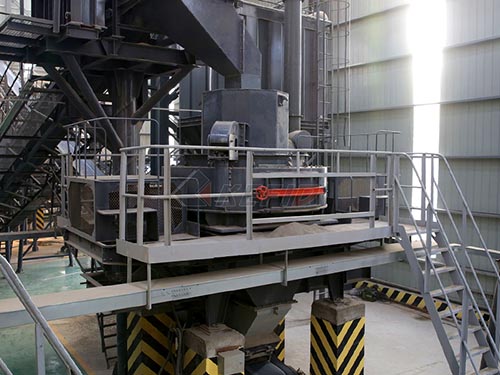
1. q: Is this Vertical Roller Mill compatible with our existing PLC/DCS control architecture?
A.: Yes.The mill's control system is designed for integration via standard industrial communication protocols such as Profibus DP or Modbus TCP/IP.A dedicated interface cabinet facilitates connection without disrupting your main plant controls.
2.q:What is the expected impact on our plant's overall power load profile during VRM startup?
A.:The drive system incorporates a soft starter or variable frequency drive option.This manages inrush current limiting startup power demand typically below 150% of full load current preventing grid disturbance
3.q:What are typical commercial terms lead time payment structure?
A.:Los plazos de entrega varían desde 1014 months exworks depending on model.Payment terms commonly follow progressive milestones such as contract signing preliminary design acceptance major component shipment
4.q:What operator training is required?
A.:We provide comprehensive training covering normal operation troubleshooting shutdown procedures This includes both classroom instruction handson sessions during commissioning
5.q:What are critical spare parts we should inventory initially?
A.:We recommend initial stock of roller wear surfaces hydraulic seals specific filter elements Detailed list provided during project engineering phase based on targeted MTBF Mean Time Between Failure data
6.Q.How does this equipment handle variations raw material chemistry abrasiveness?
A.The hydropneumatic spring system automatically adjusts grinding pressure accommodate hardness fluctuations Material testing during project planning stage ensures selection optimal wear protection materials rollers table