
planta trituradora de agregados
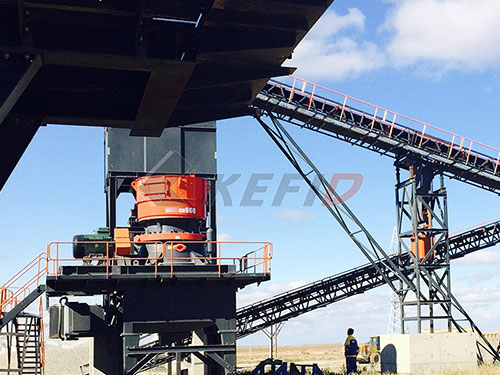

El motor de la construcción: Inside Aggregate Crushing Plants
Aggregate crushing plants are the unsung workhorses of modern infrastructure development. These sophisticated facilities transform raw rock – blasted from quarries or dredged from pits – into the essential materials that form the literal foundation of our built environment: piedra triturada, grava, arena, and recycled concrete aggregates (RCA). Understanding their function and components is crucial for anyone involved in construction, minería, or materials supply.
From Quarry Face to Construction Site: The Core Process
The fundamental purpose of an aggregate crushing plant is simple: reduce large rocks into smaller fragments of specific sizes suitable for various applications like concrete production, capas base de carreteras, mezclas asfálticas, lastre de ferrocarril, sistemas de drenaje, y paisajismo.
This transformation occurs through a multi-stage process:
1. Trituración Primaria: rocas grandes (a menudo excediendo 1 metro de diámetro) are fed into a robust primary crusher – typically a jaw crusher or gyratory crusher. These machines apply immense compressive force to break down the rock into manageable pieces (usually 150-300 milímetros).
2. Trituración Secundaria: The output from the primary crusher is conveyed to secondary crushers like cone crushers or impactors (impactadores de eje horizontal - HSI). This stage further reduces size (normalmente hasta 20-100 milímetros) and begins shaping the particles more precisely.
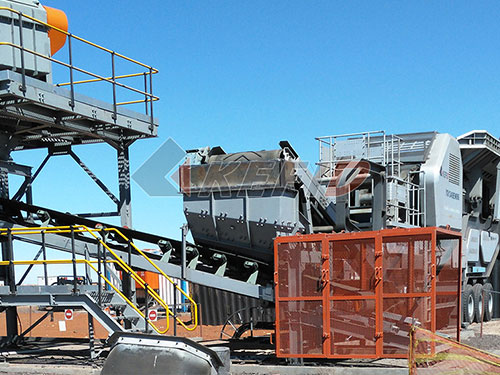
3. Trituración Terciaria/Cuaternaria: For applications demanding very specific particle shapes (cúbico) or finer sizes (p.ej., arena manufacturada), tertiary cone crushers or vertical shaft impactors (TODOS) are employed. VSI crushers excel at producing well-shaped aggregates through rock-on-rock crushing.
4. Cribado: Screening is integral throughout the process but particularly after each crushing stage. Vibrating screens separate the crushed material into different size fractions based on mesh openings.
5. Manejo de materiales: Conveyor belts form the circulatory system of the plant, efficiently transporting material between crushers, pantallas, stockpiles, and load-out points.
6. Almacenamiento & Load-out: Sized aggregates are stored in segregated stockpiles before being loaded onto trucks or railcars for transport to customers.
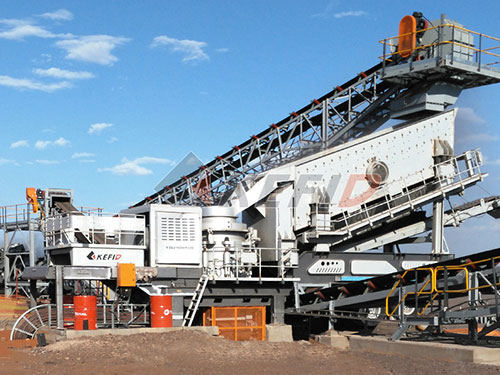
Essential Plant Components & Consideraciones
Designing and operating an efficient aggregate crushing plant involves careful consideration of numerous factors:
Características del material de alimentación: Dureza (resistencia a la compresión), abrasividad (Silica content), contenido de humedad, clay presence, feed size distribution – all significantly influence crusher