
Planta trituradora de agregados

An Aggregate Crushing Plant is a facility designed to process raw materials like rocks, arena, and gravel into various sizes of aggregate used in construction, construcción de carreteras, and other infrastructure projects. Here’s a breakdown of its key components and processes:
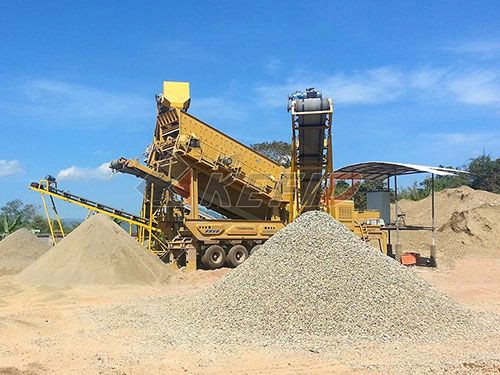
1. Components of an Aggregate Crushing Plant
- trituradora primaria:
- Breaks down large rocks (p.ej., mandíbula mandíbula, gyratory crusher).
- Producción: Coarse aggregates (p.ej., 150–50 mm).
- Trituradora secundaria:
- Further reduces material size (p.ej., trituradora de cono, trituradora de impacto).
- Producción: Medium aggregates (p.ej., 50–20 mm).
- Trituradoras terciarias/cuaternarias:
- Produces fine aggregates or sand (p.ej., VSI crusher).
- Producción: 20–5 mm or smaller.
- Equipo de cribado:
- Las cribas vibratorias separan el material triturado en diferentes tamaños.
- Conveyor Belts:
- Transport material between stages.
- Sistemas de lavado (opcional):
- Remove dirt/clay (for high-quality sand/gravel).
- Storage Bins/Silos:
- Hold finished products before shipment.
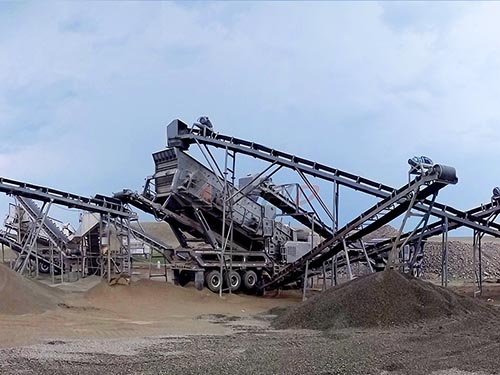
2. Types of Aggregates Produced
- Agregados gruesos (>4.75 milímetros): Used in concrete mixes, bases de carreteras.
- Fine Aggregates (<4.75 milímetros): Sand for mortar, asfalto.
- Specialty Aggregates: Railway ballast, drainage stones.
3. Flujo de proceso
1. Alimentación: Raw material dumped into a hopper.
2. Aplastante: Multi-stage reduction (primaria → secundaria → terciaria).
3. Cribado: Sized via vibrating screens; oversize recirculated.
4. Lavado (si es necesario): Removes impurities.
5. Almacenamiento: Sorted aggregates stored for dispatch.
4. Key Considerations
- Dureza del material: Dicta el tipo de trituradora (p.ej., jaw for granite, impact for limestone).
- Capacidad: Ranges from small portable plants (100 TPH) to large setups (1000+ TPH).
- Controles ambientales: Dust suppression, barreras de ruido, reciclaje de agua.