
Custom Stone Quarry Crushing Plant Fabricator

1. PAINPOINT DRIVEN OPENING
Managing a custom stone quarry operation presents distinct challenges that standard crushing plants cannot adequately address. Are you experiencing: inconsistent final product gradation leading to rejected loads and lost revenue? Excessive downtime for reconfiguring equipment to switch between specialized stone products? Spiral maintenance costs from equipment not engineered for your specific geology? Bottlenecks in material flow that limit your plant’s total output capacity? Safety concerns with complex transfer points and manual adjustments?
These issues directly impact your profitability through lost production time, higher operational costs, and an inability to consistently meet niche market specifications. The central question for plant managers is: how can you achieve precise, flexible, and reliable processing of dimension stone, architectural aggregate, or other custom materials without sacrificing throughput or operational efficiency?
2. PRODUCT OVERVIEW
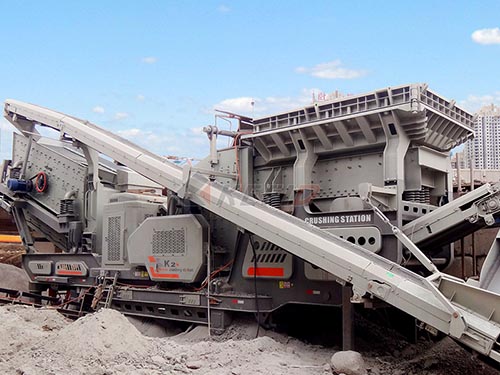
A Custom Stone Quarry Crushing Plant is a purposeengineered, fixed or semifixed processing system designed to transform raw quarry rock into precisely graded aggregates, chips, or dimension stone products. Unlike offtheshelf setups, it is fabricated based on a detailed analysis of your feed material’s compressive strength, abrasiveness, and desired output specifications.
The operational workflow typically involves:
1. Primary Reduction: Dumpfed primary crusher (e.g., jaw or gyratory) sized for your largest feed rock.
2. Sorting & Scalping: Aggressive scalping to remove fines and bypass material early, protecting downstream circuits.
3. Secondary/Tertiary Precision Crushing: Cone crushers or impactors configured in closed circuits with screens to achieve tight control over product shape and size.
4. Specialized Finishing: Integration of vertical shaft impactors (VSIs) for shaping, washing systems for cleansing, or precise screening decks.
5. Automated Material Handling: Customdesigned conveyors, transfer points, and stacking systems to minimize degradation and segregation.
Application Scope: Ideal for producing specification aggregates for asphalt chips, concrete stone, railroad ballast, erosion control stone, and architectural landscape materials.
Limitations: Requires significant upfront engineering analysis; not a portable solution; optimal ROI is realized in quarries with stable geology and longterm contracts for specialized products.
3. CORE FEATURES
Engineered Flow Design | Technical Basis: Discrete Element Modeling (DEM) analysis of material trajectory and wear | Operational Benefit: Reduces plugging at transfer points and minimizes dust by controlling material fall | ROI Impact: Up to 15% reduction in unplanned downtime for flowrelated blockages.
Modular Circuit Configuration | Technical Basis: Bolttogether plant sections with standardized interconnections | Operational Benefit: Enables future expansion or reconfiguration of crushing stages as product demands change | ROI Impact: Protects capital investment; expansion costs are typically 3040% lower than a new greenfield system.
Product Gradation Control | Technical Basis: Multistage screening with adjustable screen decks and crusher automation systems | Operational Benefit: Operators can dial in specific product sizes with minimal oversize/undersize contamination | ROI Impact: Increases saleable product yield by an average of 812%, reducing waste stockpiles.
AbrasionResistant Fabrication | Technical Basis: Use of AR400/500 steel liners at all highwear points and reinforced structural members | Operational Benefit: Extends service life of chutes, hoppers, and skirting in highly abrasive stone processing | ROI Impact: Documented 4060% longer liner life compared to mild steel setups, lowering parts inventory cost.
Centralized Process Control | Technical Basis: PLCbased automation with touchscreen HMI for monitoring crusher load, conveyor speeds, and bin levels | Operational Benefit: Allows singleoperator oversight of multiple crushing stages from a climatecontrolled cabin | ROI Impact: Improves overall equipment effectiveness (OEE) by optimizing throughput and reducing labor requirements per ton.
Vibration & Noise Mitigation | Technical Basis: Isolated motor mounts, acoustical enclosures on key drives, and strategic use of damping materials | Operational Benefit: Creates a safer working environment and helps maintain compliance with local operational regulations | ROI Impact: Reduces risk of work stoppages due to noise ordinance violations and potential worker compensation claims.
4. COMPETITIVE ADVANTAGES
| Performance Metric | Industry Standard (Modular Plant) | Custom Stone Quarry Crushing Plant Solution | Advantage (% Improvement) |
| : | : | : | : |
| Product Specification Consistency| ±10% tolerance on key sieve sizes| ±5% tolerance through engineered circuit design| 50% tighter control |
| Time for Product Changeover| 48 hours manual reconfiguration| <2 hours via automated settings & modular design| Up to 75% faster |
| Tons per Maintenance Hour| 450500 tons per scheduled maintenance hour| 600700 tons via enhanced wear protection| 2030% higher efficiency |
| System Uptime Availability| 8588% typical operating availability| 9295% through robust design & redundancy| 58 percentage point increase |
| Energy per Ton Processed| Baseline kWh/ton rating| 1215% lower kWh/ton via optimized load management| 1215% reduction |
5. TECHNICAL SPECIFICATIONS
Capacity Range: Configurable from 150 to over 800 tons per hour (TPH), depending on material density (typically granite, limestone, basalt).
Power Requirements: Primary plant feed from 480V/3phase/60Hz; total connected power ranges from 500 kW to 1.5 MW based on configuration.
Material Specifications: Structural frames fabricated from ASTM A36 steel; wear surfaces utilize AR400/AR500 steel or equivalent chromium carbide overlay.
Physical Dimensions: Plants are designed to fit your site footprint; typical primary section dimensions range from 20m L x 8m W x 9m H.
Environmental Operating Range: Designed for continuous operation in temperatures from 20°C to +45°C (4°F to +113°F). Dust suppression systems are integral for compliance.
6. APPLICATION SCENARIOS
Architectural Landscape Stone Producer
Challenge: A quarry supplying highvalue decorative chips needed to produce three distinct colormatched products without crosscontamination while meeting strict shape (cubical) requirements.
Solution: Implementation of a custom crushing plant featuring a primary jaw crusher followed by two parallel secondary circuits using cone crushers with specialized chambers. Each circuit fed dedicated screening towers with wash decks.
Results: Achieved zero material contamination between product lines. Cubical product yield increased by 22%. The plant now fulfills premium contracts with consistent quality.
Railroad Ballast Quarry Expansion
Challenge: An existing quarry won a major rail contract but needed to double production of tightly graded ballast while maintaining extreme durability (fractured face) specifications.
Solution: Fabrication of a tertiary crushing circuit centered on highcompression cone crushers in closed loop with multideck horizontal screens. Custom feeders ensured even distribution into the final shaping stage.
Results: Ballast production capacity increased from 250 TPH 450 TPH while maintaining 95% compliance on fractured face count. Plant availability remained above 93%.
Limestone Chip Producer for Hot Mix Asphalt
Challenge: Inconsistent chip size from an older plant led to mix design failures at client asphalt plants, resulting in rejected loads and financial penalties.
Solution: A customdesigned scalpingandcrushing front end was integrated ahead of existing equipment. It featured aggressive prescreening to scalp out fines before secondary crushing.
Results: Product gradation variability was reduced by over 60%. Load rejection rate fell from 5% 0%. The improved consistency allowed the quarry to command a 3% price premium.
7. COMMERCIAL CONSIDERATIONS
Custom Stone Quarry Crushing Plants are capital investments priced according to complexity and capacity:
Tier I (150300 TPH): Engineered upgrades/modules for existing lines.
Tier II (300600 TPH): Complete standalone primary/secondary/tertiary plants – the most common range for dedicated custom operations.
Tier III (600+ TPH): Largescale,turnkey systems often including automated loadout systems.
Optional features include advanced dust collection systems,crusher automation packages (like ASRi),onboard weighing systems,and remote monitoring telematics.Service packages typically offered are:
1.Preventative Maintenance Plans
2.Wear Parts Programs with guaranteed pricing
3.Onsite Technical Support & Operator Training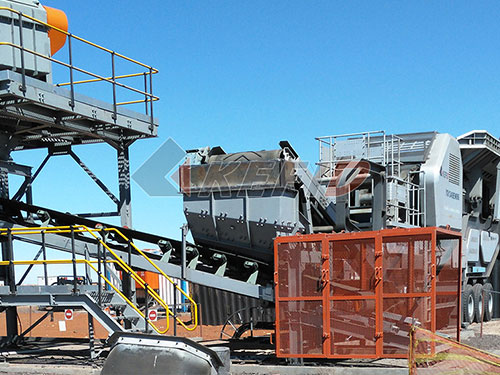
Financing options commonly include capital leases,tradein programs for existing equipment,and project financing structured around the expected production output ofthe new plant.
FAQ
What analysis is required before fabricating our custom plant?
We require comprehensive testing data on your raw feed material—including compressive strength,L.A.Abrasion,and bulk density—alongside detailed target specificationsfor each end product.This informs every component selectionfrom crusher chamber design towear liner metallurgy
How long does installation take?
Fora complete Tier II system,fabrication lead time is typically18 weeks.Site installationand commissioningby our field engineers requiresan additional4 weeks,given proper site preparationis completedin advance
Can this system integratewith our existing conveyorsand screens?
Yes.Custom fabrication specifically allowsfor integrationwith suitableexisting assets.The engineering phase will identify necessary modificationsor upgradesrequiredto ensurecompatibilityand performance
What trainingis providedfor our operations team?
We provide comprehensiveonsite trainingcoveringnormal operation,troubleshooting,and safety protocolsfor all new equipment.Documentationincludesfull manuals,P&ID diagrams,and recommendedpreventative maintenance checklists
Are performance guaranteesoffered?
Yes.Basedon the providedfeed materialanalysis,theplant will be guaranteedto meet agreeduponproductioncapacityand finalproductgradationspecificationswithindefined parameters
Whatarethemaintenance requirementscomparedtoa standardplant?
Whilehighwear componentswill still require scheduledreplacement,the engineereddesign reducesunplanned failures.Maintenanceintervalsfor key componentsare extended,andaccessis improved.Parts consumptionper ton processedis documentedto be lower
Do you offerfinancingor leasingoptions?
We workwith severalindustrial lendingpartnersto provideflexiblefinancing solutionsincludingcapital leasesandequipmentloans.Termsare structuredto alignwiththe expectedcashflow improvementsfromthe newinstallation