
Commercial Stone Crusher Plant Sourcing
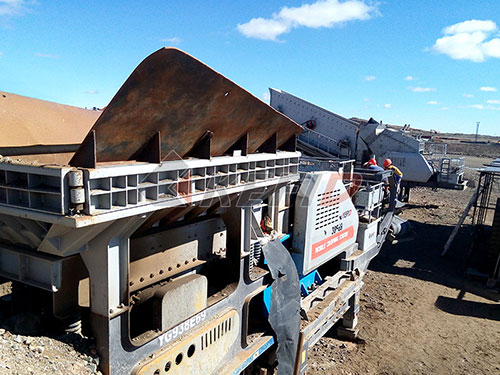

1. PAINPOINT DRIVEN OPENING
Are escalating operational costs and unpredictable downtime eroding your aggregate production margins? Managing a commercial stone crusher plant presents distinct challenges that directly impact your bottom line. Common pain points include:
High PerTon Operating Costs: Inefficient crushing chambers and excessive wear part consumption drive up your cost per ton of finished aggregate.
Unscheduled Downtime for Maintenance: Frequent liner changes, bearing failures, and mechanical adjustments halt your entire production line, costing thousands per hour in lost output.
Inconsistent Final Product Gradation: Poor crushing chamber design and unreliable settings lead to offspec material, resulting in product rejection or the need for costly reprocessing.
Rigid Plant Configuration: Fixed layouts struggle to adapt to changing feed material or market demands for different aggregate sizes, limiting your operational flexibility.
High Energy Consumption: Inefficient drives and crushing action make the plant a primary consumer of site power, with every wasted kilowatt affecting profitability.
Is your current setup a source of constant reactive maintenance and variable product quality? The solution lies in specifying a modern, engineered commercial stone crusher plant designed from the ground up for total cost of ownership.
2. PRODUCT OVERVIEW
A commercial stone crusher plant is a stationary or semimobile integrated system engineered for the highvolume reduction of quarry rock (limestone, granite, basalt) into specified aggregate sizes (from coarse riprap to fine manufactured sand). It is the core production asset for mining operations, largescale construction projects, and dedicated aggregate suppliers.
Operational Workflow:
1. Primary Size Reduction: Large quarryrun rock (up to 1000mm) is fed into a primary jaw crusher or gyratory crusher for initial breaking.
2. Secondary & Tertiary Crushing: Material is conveyed to secondary cone or impact crushers for further reduction, shaping the aggregate.
3. Sizing & Classification: Crushed material passes through vibrating screens; onspec sizes are diverted to product stockpiles, while oversize is recirculated (closedcircuit design).
4. Material Handling: A network of conveyors efficiently moves material between crushing stages and final stockpiles.
5. Dust Suppression & Control: Integrated spray systems and encapsulation manage airborne particulate to meet environmental standards.
Application Scope & Limitations:
This equipment is designed for hightonnage, continuous operation in demanding environments. It is not suitable for smallscale, intermittent use or for processing materials with very high moisture or clay content without preprocessing. Optimal performance requires competent feed size control and consistent material characteristics.
3. CORE FEATURES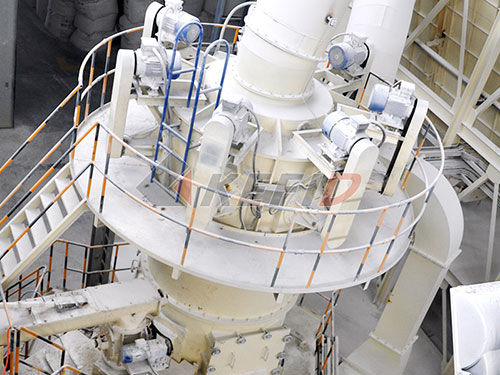
Automated Control System | Technical Basis: PLCbased logic with realtime sensor feedback | Operational Benefit: Enables singleoperator control of the entire crushing circuit, optimizing crusher load and conveyor flow automatically | ROI Impact: Reduces labor costs by up to 40% and increases throughput by 515% through consistent peak operation
Modular Plant Design | Technical Basis: Bolttogether subassemblies with standardized interfaces | Operational Benefit: Allows for rapid site relocation or future plant expansion/ reconfiguration as project demands change | ROI Impact: Cuts relocation/expansion downtime by 60% compared to fixedbase plants, protecting project timelines
Advanced Crushing Chamber Geometry | Technical Basis: Computermodeled kinematics and wear profiles | Operational Benefit: Delivers superior reduction ratios and produces a wellshaped cubicle end product with less waste fines | ROI Impact: Increases saleable product yield by 812% and extends wear part life by 2030%
Centralized Greasing & Hydraulic Systems | Technical Basis: Singlepoint lubrication lines and hydraulic setting adjustment for crushers | Operational Benefit: Allows for safe, routine maintenance of bearings and rapid CSS adjustments without stopping the plant | ROI Impact: Reduces scheduled maintenance time by 50% and minimizes risk of bearing failure, a major cause of downtime
HeavyDuty Vibrating Grizzly Feeder | Technical Basis: Robust deck construction with adjustable grizzly bars | Operational Benefit: Removes natural fines from the feed stream before the primary crusher and ensures steady, controlled material flow | ROI Impact: Improves primary crusher efficiency by up to 25% and reduces liner wear from direct impact of unscreened material
Integrated Dust Suppression System | Technical Basis: Strategically placed nozzles with solenoid control tied to conveyor operation | Operational Benefit: Actively suppresses dust at transfer points without oversaturating material | ROI Impact: Ensures regulatory compliance avoids work stoppages due to environmental violations and preserves community relations
HighStrength Conveyor Framework | Technical Basis: Lattice or channel frame design with impact idlers at loading zones | Operational Benefit: Provides reliable material transfer under maximum load with minimal deflection or spillage | ROI Impact: Eliminates chronic conveyor misalignment issues reducing belt wear and unplanned stoppages
4. COMPETITIVE ADVANTAGES
| Performance Metric | Industry Standard | Commercial Stone Crusher Plant Solution | Advantage (% Improvement) |
|||||
| Overall Equipment Efficiency (OEE) | 7075% | 8287% | +12% |
| Wear Part Cost per Ton | $0.85 $1.10 | $0.60 $0.75 | 25% |
| Average Time Between Major Stops | 300400 operating hours | 550650 operating hours | +65% |
| Energy Consumption per Ton | 0.9 1.2 kWh/ton | 0.7 0.85 kWh/ton | 22% |
| Setup/Relocation Time | 34 weeks | 1014 days | 60% |
| Product Shape (Cubicity Index) >85 >93 +8 points |
5. TECHNICAL SPECIFICATIONS
Design Capacity Range: 200 – 800 tons per hour (TPH), depending on configuration.
Primary Crusher Options: Jaw Crusher (Feed size up to 1000mm) or Primary Gyratory Crusher.
Secondary/Tertiary Crushers: Hydraulic Cone Crushers or Horizontal Shaft Impactors.
Power Requirements: Total installed plant power typically ranges from 400 kW to over 1200 kW; designed for connection to industrial grid or largescale generator sets.
Key Material Specifications: Fabricated from ASTM A572 grade 50 steel; crusher liners in manganese steel (14%18%); abrasionresistant steel liners at highwear points.
Physical Dimensions (Typical Setup): Length: ~50m – 120m; Width:~20m – 35m; Height:~12m – 18m.
Environmental Operating Range: Designed for ambient temperatures from 20°C to +45°C; dust emission control capable of meeting <10 mg/Nm³ standards; noise encapsulation available to reduce levels below 85 dB(A).
6. APPLICATION SCENARIOS
LargeScale Limestone Quarry Operation
Challenge:A quarry supplying road base and concrete aggregates faced frequent cone crusher unplanned downtime due to tramp metal and uncrushables causing severe mechanical damage.Solution:The implementation of a commercial stone crusher plant featuring an advanced metal detection system with automatic conveyor stopand an overload protection system using hydraulic release cylinders on jaw crushers.Results:Tramp metalrelated damage incidents fell by95%.Annual savings in avoided mechanical repairs exceeded$150k,and plant availability increased by18%.
Major Infrastructure Project Contract
Challenge:A contractor on a multiyear highway project needed movable crushing capacity at multiple sites along the corridor but could not afford months of demobilization/remobilization time.Solution:A semimodular commercial stone crusher plantwith wheelmounted modulesand quickdisconnect electrical/ hydraulic connections was deployed.Results:The entire600 TPHplant was relocated three times within the project.Each move was completed in12 working days versus an estimated35 daysfor a conventional setup,saving over$300kin potential delay penalties.
Granite Aggregate Producer
Challenge:The producer struggled with low yields(high waste fines)of indemand chip seal aggregates(6mm10mm)and inconsistent product shape from older impact crushers.Solution:A new plant configuration utilizing a multistage crushing circuitwith specialized cone crushersin closed circuit with finedeck screens.Results:Saleable chip seal product yield improved from68%to81%.The superior cubicity ofthe aggregate reduced binder adhesion ratesfor endcustomers by15%,creating amarketing advantageand allowing fora5%price premium.
7.COMMERCIAL CONSIDERATIONS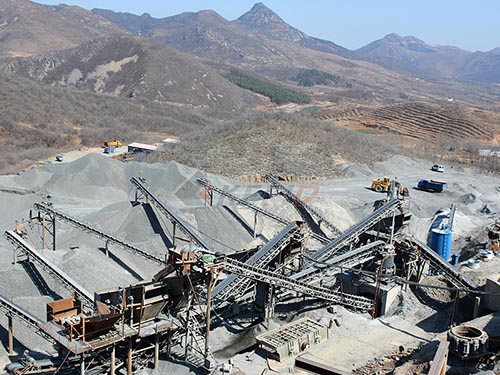
Commercial stonecrushe rplants are capital investments priced accordingt ocapacityand complexity.Entrylevel configurationsfor midrange capacity(~250 TPH)start ata defined tier.Premium configurations(~600+TPH)with full automationand ancillary systems representthe top tier.Pricingis projectspecific basedon engineering studies.Optional featuresinclude automated weighing systems,teleremote monitoring packages,and advanced dust collection cyclones.Service packages typically offer tiered coveragefrom basic preventive maintenance plans t ocomprehensive fullservice agreementsincluding wear parts.Financing optionsare commonly available through equipment manufacturer affiliatesor thirdparty lenders including operating lease structures that preserve capitalor traditional finance leases.
8.FAQ
Q:What if my feed rock characteristics change overthe lifeofthe quarry?
A:A welldesigned commercialplant offers configurability.Conecrushers allowfor CSS adjustment,and modular designs permitchanging outsecondary units.Field data shows planned chamber oreccentric changes can adaptto new geologies within48 hoursof downtime.
Q How doesthis solution manage uncrushablematerial like tramp metal?
A Beyond detection systems primary jawcrushers can be equippedwith hydraulic toggle release systems that automatically reset protectingthecrushe rfrom catastrophic damage Industry testing demonstrates these systems preventan averageof$50k$200kin repair costsper incident.
Q Whatisthe typical installationand commissioning timeline?
A Fora skidmountedor modularplant onsite commissioning rangesfrom4to8weeksafter foundation preparation dependingonscale This compares favorablyto6+monthsfor traditional builtinplace plants reducing time torevenue.
Q Are these plants suitablefor producing manufactured sand?
A Yes specific configurations incorporating vertical shaft impact(VSI)crushersin tertiary position are engineeredforsand production yielding consistent fineness modulus Control systems regulate feedrate tocrushersfors optimal particle shape
Q Whatkindof operational trainingis provided?
A Comprehensive trainingfor managers operatorsand maintenance crews is standard covering daily operations troubleshooting safety proceduresand basiemaintenance This ensuresyour team achievesrated capacity within30 daysof commissioning
Q Can I integrate existing equipmentlike my primarycrushe rinto anewplant system?
A Often yes Engineering assessmentscan determine compatibility Newcontrolsystems conveyorsandscreens can be designedaroundyour legacyprimary unit providedit meetscurrent capacity targets extendingthe valueofyour prior investment