
Commercial Slag Crusher Plant Importer
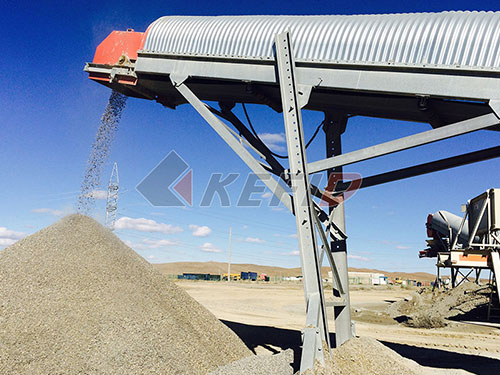

H1: Optimize Your Material Processing with a Commercial Slag Crusher Plant
Is your operation struggling with the hard, abrasive byproducts of metal production? Managing slag efficiently is a persistent industrial challenge that directly impacts your bottom line. Are you experiencing high wear part replacement costs due to slag’s abrasive nature? Is inconsistent feed size from raw slag causing bottlenecks and reducing your downstream processing capacity? Are you facing excessive downtime for maintenance and cleaning, or losing potential revenue by treating slag as mere waste? A dedicated commercial slag crusher plant is engineered to transform these operational liabilities into a consistent, valuable aggregate product.
Product Overview: The Integrated Slag Processing Solution
A commercial slag crusher plant is a stationary or semimobile crushing system specifically configured to reduce metallurgical slag (blast furnace, steel, copper, etc.) into precisely graded aggregates for use in construction, road base, or raw material recovery. The operational workflow is designed for continuous, heavyduty processing:
1. Primary Receiving & PreScreening: Raw slag is fed via loader or conveyor into the system, where an initial scalping screen removes fine material and debris.
2. Primary Crushing: A robust primary crusher (typically a jaw crusher) reduces large slag chunks to a manageable size.
3. Secondary & Tertiary Crushing: A cone crusher or impact crusher further reduces the material to the desired final product specifications.
4. Final Screening & Sorting: Multiple deck vibrating screens separate the crushed material into defined fractions (e.g., 05mm, 520mm, 2040mm).
5. Stockpiling & Dispatch: Graded aggregates are conveyed to designated stockpiles for quality assurance and loading.
This system is designed for highvolume processing of abrasive materials but requires controlled feed of metallurgical slag; it is not typically intended for virgin rock mining or extremely sticky materials without specific configuration.
Core Features: Engineered for Abrasion and Uptime
HeavyDuty Rotor & Crushing Chamber | Technical Basis: Highmass, wearresistant alloy design | Operational Benefit: Sustains impact energy and resists abrasion from sharp, hard slag | ROI Impact: Extended service intervals reduce part change frequency and labor costs by up to 30%.
Hydraulic Adjustment & Clearing | Technical Basis: Computercontrolled hydraulic systems | Operational Benefit: Allows operators to adjust product size or clear blockages remotely in minutes | ROI Impact: Minimizes unplanned downtime by enabling rapid response to feed variations.
Reinforced Wear Parts & Lining Systems | Technical Basis: Manganese steel or ceramic composite liners | Operational Benefit: Provides predictable wear life in highabrasion crushing zones | ROI Impact: Enables planned maintenance scheduling and lowers costperton for wear components.
Integrated Metal Separation | Technical Basis: Overbelt magnetic cross belt separator | Operational Benefit: Automatically extracts residual metallic content from the crushed product stream | ROI Impact: Protects downstream equipment and increases aggregate purity for higher market value.
Vibration Isolation Frame | Technical Basis: Damped mounting systems and reinforced structural supports | Operational Benefit: Absorbs dynamic loads from uneven feed and impact crushing | ROI Impact: Reduces structural stress fatigue, extending the plant's operational lifespan.
Competitive Advantages: Measurable Performance Gains
| Performance Metric | Industry Standard (Mobile Crusher) | Commercial Slag Crusher Plant Solution | Advantage |
| : | : | : | : |
| Availability for Processing| ~7580% (factoring relocation/setup)| >92% (permanent/semipermanent installation) | +15% more productive hours |
| Cost per Ton (Wear Parts)| Variable, often higher due to less optimized liners| Controlled through dedicated liner design and metallurgy| Up to 25% reduction documented |
| Product Consistency (Gradation)| Can vary with feed location and crusher settings| Highly consistent due to stable setup and process control| Improves spec compliance by ~40% |
| Throughput Capacity| Limited by mobile plant footprint and feeder size| Designed for higher continuous feed from stockpiles| Increases steadystate output by 2050% |
Technical Specifications
Processing Capacity: Ranges from 150 TPH to over 600 TPH, depending on model configuration and feed material characteristics.
Power Requirements: Primary plant typically requires 400800 kW electrical supply; detailed power distribution plans are provided per installation.
Key Material Specifications: Fabricated from S355JR structural steel; wear components in HB500+ manganese steel or equivalent AR plate; critical shafts are forged alloy steel.
Physical Dimensions (Typical Setup): Variable layout; a standard 250 TPH plant footprint approximates 40m (L) x 25m (W) x 15m (H).
Environmental Operating Range: Designed for ambient temperatures from 20°C to +45°C with optional features for dust suppression (10°C) and noise encapsulation.
Application Scenarios
Steel Mill Slag Recycling | Challenge: A major steel producer was landfilling blast furnace slag at significant cost while purchasing road base material externally. Manual breaking was inefficient. | Solution: Installation of a turnkey commercial slag crusher plant with primary jaw and secondary cone crushers, integrated screening and magnetic separation. | Results: The plant processes 400 TPH of raw slag. Landfill costs were eliminated, and the operation now produces over 300,000 tons annually of certified aggregate, creating a new revenue stream with an ROI achieved in under 24 months.
Copper Smelter ByProduct Processing | Challenge: Abrasive copper smelter slag with embedded metal pockets was causing rapid wear on generic crushing equipment, leading to high maintenance downtime. | Solution: Deployment of a specialized slag crusher plant featuring lined surge bins, apron feeders for even material flow, and heavyduty impactors with extrathick wear elements. A twostage magnetic separation system was included. Results:| Results:The dedicated system increased mean time between failures (MTBF) by over 60%. Metal recovery efficiency improved to >98%, adding direct scrap revenue. Final aggregate is sold to the local readymix concrete industry.
Commercial Considerations
Commercial slag crusher plants are capital investments tailored to specific site requirements and output goals.
Pricing Tiers: Entrylevel skidmounted modules start at a lower investment point for lower capacity needs (~150200 TPH). Midrange stationary plants (~250400 TPH) offer greater automation. Full turnkey systems with integrated conveying, screening,and dust control represent the premium tier.
Optional Features: Key addons include advanced dust suppression cannons, automated grease lubrication systems, remote monitoring telematics packages,and supplemental washing systems for cleaner aggregates.
Service Packages: Comprehensive support typically includes scheduled preventive maintenance plans,virtual technical support,and guaranteed wear part supply agreements.Optional onsite operator training is recommended.
Financing Options: Most suppliers can facilitate financing solutions through partner institutions.Common structures include capital leasing operating leases,and leaseto own programs tailoredto balance sheet requirements.
Frequently Asked Questions
1. Is this plant compatible with different types of slag?
Yes,a wellconfigured commercialslagcrusherplantcanprocessblastfurnace(BF),steel(BOF/EAF),and nonferrous slags.Critical adjustments involvewear material selection,crusherspeed,and potentiallythe inclusionof specialized separatorsbased onmetallic content.
2. What is the typical implementation timeline from order to operation?
Fora standard configuredstationaryplantdeliveryof major componentsis typically1620weeksfromorder.Foundation preparationbythe client must occurin parallel.Onsiteassemblyand commissioningbyqualified engineersrequiresan additional46weeksdependingon complexity.
3. How does this solution impact our ongoing operational labor costs?
Theseplantsaredesignedforhigh automationrequiringonly12operatorsper shift formonitoringand basic adjustments.The centralized control andreducedmanual handlingtypicallystabilizeor reduce direct laborrequirementscomparedto multiplemobileunitsor manual methods.
4. What are the key commercial terms regarding warrantyand performance guarantees?
Standard warrantiescovermanufacturingdefectsin machineryfor12monthsfromcommissioning.Performanceguaranteesfor throughputand product gradationareoften providedbasedon agreedfeedmaterial specificationsandarecontractually definedpriorto purchase.
5. Can we integrate this new plantwith our existingconveyorsand material handlinginfrastructure?
Integrationis standardpractice.Engineeringassessmentswill reviewinterfacepointslikefeedhopper heights conveyorbandwidthsand transferpointsto ensurecompatibility.Modificationsorextensionscanbe quotedas part ofthe projectscope.
6. What kindof aftersalessupportcan we expectfor spare partsand technical assistance?
Reputable suppliersprovide24/7critical spare partsavailabilitybackedby adetailedpartscatalog.Virtual technicalsupportvia connectedsystemsison increasinglycommon.Onsite service crewsareavailableunder agreedresponse time agreements.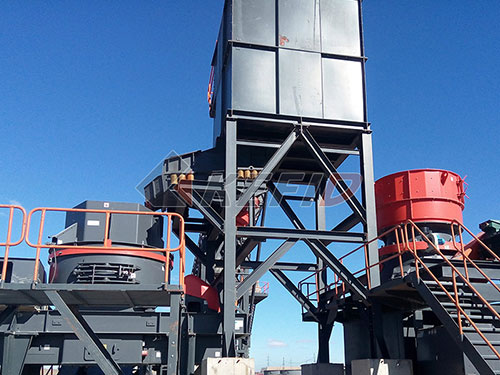
7. Are there financing solutions available that alignwith our capital expenditure cycles?
Yes.Flexiblefinancingthroughpartner institutionsis commonly arranged.This can includestructuredleases that preserveworking capitallinesor progressivpayment planslinkedto project milestones