
Commercial Impact Crushers Manufacturing
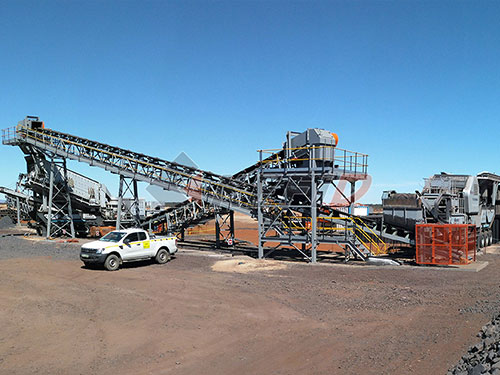

1. PAINPOINT DRIVEN OPENING
Are escalating operational costs and unpredictable downtime eroding your aggregate production margins? For plant managers and engineering contractors, the primary crushing stage is often a bottleneck fraught with hidden expenses. Common challenges include:
Unscheduled Downtime: Premature wear of critical components like rotors and liners leads to frequent, disruptive maintenance stops, halting your entire processing line.
High Operating Costs: Excessive energy consumption per ton of processed material and the constant need for costly replacement parts directly impact your bottomline profitability.
Inconsistent Product Gradation: Uncontrolled output with excessive fines or oversized material creates downstream processing issues, reducing the yield of highvalue product fractions.
Material Hardening & Blockages: Processing reinforced concrete, asphalt with rebar, or abrasive natural stone can cause crusher stall, damaging components and requiring hazardous manual clearing.
Is your current solution equipped to handle variable feed materials while maintaining throughput and protecting your operational budget? A purposeengineered commercial impact crusher is designed to address these exact pressures.
2. PRODUCT OVERVIEW: COMMERCIAL IMPACT CRUSHERS
A commercial impact crusher is a heavyduty reduction machine that utilizes highspeed impact forces to fracture materials. It is engineered for continuous duty in stationary plants or mobile setups for quarrying, recycling, and mining applications.
Operational Workflow:
1. Feed Intake: Material is loaded into a robust feed hopper and directed onto the fastrotating rotor assembly.
2. Acceleration & Impact: The rotor hurls material against stationary anvils or into the impacting curtain of hammers/blow bars, inducing fracture.
3. Size Control & Recirculation: Crushed material exits through an adjustable gap between the rotor and the adjustable aprons/grinding path. Oversize material can be recirculated via a closedcircuit conveyor for further reduction.
Application Scope:
Ideal for mediumhard to hard, nonabrasive materials (e.g., limestone, recycled concrete/asphalt) where a cubical product shape is valued. Effective for primary, secondary, or tertiary crushing stages.
Key Limitations:
Less suitable for highly abrasive materials (e.g., certain igneous rock) without incurring high wear costs. Optimal performance requires consistent feed size control as per manufacturer specifications.
3. CORE FEATURES
Hydraulic Adjustment System | Technical Basis: Integrated hydraulic cylinders controlling apron/cascade settings | Operational Benefit: Allows operators to adjust product gradation or clear blockages in minutes from a remote station, without manual intervention. | ROI Impact: Reduces adjustment downtime by up to 80% versus mechanical systems, increasing plant availability.
Monobloc Rotor Design | Technical Basis: Solid steel rotor disc forged or cast as a single piece with weldedon wear protection. | Operational Benefit: Provides exceptional inertia for crushing large feed and superior durability under shock loads from uncrushables. | ROI Impact: Eliminates rotor rebuild costs; field data shows a 4060% longer service life compared to segmented rotor designs in similar duty.
Advanced Wear Component Metallurgy | Technical Basis: Martensitic chromium steel blow bars with ceramic inserts or specialized alloys based on application analysis. | Operational Benefit: Wear life is materially optimized, whether for asphalt recycling or granite crushing, reducing changeout frequency. | ROI Impact: Direct reduction in costperton for wear parts; documented improvements of 30%+ in total throughput between changes.
Direct Drive Transmission | Technical Basis: Crusher rotor connected directly to the motor via fluid coupling or Vbelt drive for torque handling. | Operational Benefit: Delivers maximum power transfer efficiency (>95%) with lower mechanical complexity than gearbox systems. | ROI Impact: Lowers energy consumption by approximately 812% and reduces maintenance inventory (gears, oil).
QuickChange Wear Part Locking | Technical Basis: Wedge or boltlock systems designed with tool access in mind.| Operational Benefit: Enables safe and rapid replacement of blow bars and liner plates by a standard twoperson crew.| ROI Impact: Cuts scheduled maintenance windows by half, directly increasing annual productive hours.
PLCBased Automation Interface | Technical Basis: Integrationready control system monitoring bearing temperature, vibration, rotor speed.| Operational Benefit: Provides realtime operational data and allows for automatic shutdown sequences to prevent catastrophic damage.| ROI Impact: Protects major capital components from failure; enables predictive maintenance scheduling.
4. COMPETITIVE ADVANTAGES
| Performance Metric | Industry Standard | Our Commercial Impact Crusher Solution | Advantage (% Improvement) |
| : | : | : | : |
| Tonnage per Wear Life| Based on standard manganese steel blow bars in limestone.| Applicationspecific metallurgy packages (e.g., TiCeramic inserts).| +35% to +50% increased yield |
| Energy Consumption (kWh/ton)| Varies with drive type and material hardness.| Optimized chamber geometry combined with direct drive transmission.| 10% average reduction |
| Average Maintenance Downtime per Event| 812 hours for major wear component changeout.| Engineered quickchange systems with hydraulic assistance.| 55% faster turnaround |
| Product Shape Index (Cubicity)| Variable; can produce elongated fragments.| Controlled impact intensity through multistage crushing chamber design.| +25% improvement in cubical product ratio |
5. TECHNICAL SPECIFICATIONS
Capacity Range: 150 800+ tons per hour (TPH), dependent on feed material density and required reduction ratio.
Rotor Diameter & Width: From 40” x 40” (1000mm x 1000mm) to 60” x 80” (1500mm x 2000mm).
Drive Power Requirements: Electric motors from 300 HP (225 kW) to 800 HP (600 kW). Options for dieselhydraulic drives available for mobile configurations.
Feed Opening Size: Up to 40” x 50” (1000mm x 1250mm) to accept primary jaw crusher discharge.
Key Material Specifications: Rotor constructed from hightensile strength steel (ASTM A572). Main frame fabricated from stressrelieved plate steel up to 4” thick.
Physical Dimensions (Typical Stationary Unit): Approx. Length: 12’, Width: 9’, Height:10’ (varies significantly by model).
Environmental Operating Range: Designed for ambient temperatures from 20°C to +45°C (4°F to +113°F). Dustsealed bearings standard.
6. APPLICATION SCENARIOS
Urban Concrete Recycling Plant | Challenge: Processing heavily reinforced demolition concrete led to frequent jamming and rapid wear in existing hammer millstyle crushers, causing over 15 hours of weekly unplanned downtime. | Solution: Installation of a heavyduty commercial impact crusher equipped with a monobloc rotor and hydraulic release system for uncrushable rebar mats.| Results: Throughput stabilized at 180 TPH of recycled aggregate; uncrushables ejected automatically without stall incidents; wear part life increased by over three weeks per set under identical feed conditions.
Limestone Quarry Secondary Crushing Circuit | Challenge: Existing cone crusher produced excessive fines (5mm) in desired chip sizes (2040mm), reducing saleable product yield by an estimated ~15%. High liner replacement costs were also a concern.| Solution:: A tertiary horizontal shaft impact crusher was installed in closed circuit with a screen to recirculate oversize.| Results:: Achieved superior cubical product shape demanded by asphalt plants; reduced fines generation by over ~22%; overall plant yield of premium chip product increased significantly while lowering specific energy cost.
7. COMMERCIAL CONSIDERATIONS
Commercial impact crushers represent a significant capital investment tailored to operational scale:
Pricing Tiers: Entrylevel stationary units start in the midsixfigure range ($USD), scaling into seven figures ($USD) for largecapacity primary models with full automation packages.
Optional Features: Key upgrades include advanced telemetry packages for remote monitoring , automated grease lubrication systems , secondary grinding path / cascade system , sounddampening enclosures , and custom wear part metallurgy analysis .
Service Packages: Comprehensive plans are available covering scheduled inspections , preventive maintenance kits , priority parts dispatch , and technical support . These are structured as annual contracts typically representing ~35% of the base equipment price .
Financing Options: Flexible solutions include equipment leasing through partner institutions , longterm rentaltoown agreements ,and projectbased financing tailored for largescale contracting work .
8.FAQ
1.Q:What are my options if my feed material varies between soft asphalt rubble and hard natural stone?
A:A versatile configuration involves selecting a hybrid blow bar metallurgy suited for mixed feed,and utilizing the hydraulic adjustment system frequentlyto optimize the impacting gapfor different materials.This approach maintains acceptable performance across varying conditions without requiring component changes .
2.Q:What level of foundation preparation is requiredfor astationary installation?
A:A substantial reinforced concrete foundationis mandatory,sizedto withstand dynamic loads specifiedin our engineering drawings.Generally,the foundation mass should be35 timesthe weight ofthecrusher assemblyto ensure stabilityand dampen vibration .
3.Q:Whatisthe typical lead timefrom orderto commissioningforacustomconfiguredunit?
A.For standard models within our catalog,the lead timeis approximately1620 weeks.For fully customized unitswith specific hoppersor conveyor interfaces,the timeline extends accordingly.Detailed project planningwith oursales engineerswill establisha firm schedule .
4.Q.How doesimpactcrushingcompareto conecrushingintermsofoperatingcostperton?
A.The analysisismaterialdependent.Commercialimpactcrushersgenerally offerlower initialwearpartcostsand higherenergy efficiencyin processingmediumhard,mildly abrasivematerials.Conesmayhavealowercostpertoninhighly abrasiveapplications.A detailedcomparativeanalysisbasedonyour specificfeedmaterialis recommended .
5.Q.What trainingis providedforour operationsandmaintenance crews?
A.We provide comprehensiveonsite trainingduringcommissioning.This coverssafeoperating procedures,routine maintenancechecks,wearpartreplacementprotocols,andbasic troubleshooting.Training manualsandvideo resourcesarealsosupplied .
6.Q.Arethese machines suitableforintegrationintoexistingautomatedplantcontrolsystems(SCADA)?
A.Y es.All units comewithaPLCinterface thatprovidesstandardI/O pointsformotor status,bearingtemperature,vibration alarms,andstart/stopcontrol.This allowsfordirectintegrationintomostmodernplantwide monitoringsystems .
7.Q.Whatisthewarrantystructureforthemajorcomponents?
A.The standard warranty coversdefectsin materialsandworkmanshipfortwelve monthsfromcommissioning.Extendedwarrantiesareavailableforthemainframeandrotorassembly,tailoredtothe selectedservice package .