
Commercial Gyratory Crusher Fabricator


The Backbone of Bulk Processing: Inside the World of Commercial Gyratory Crusher Fabrication
The relentless demand for raw materials – aggregates for construction, ores for metal extraction, coal for energy – drives industries that rely on robust machinery capable of handling colossal volumes of rock under extreme conditions. At the heart of primary crushing circuits in large-scale mining operations and major aggregate production sites stands the gyratory crusher. These behemoths are not merely purchased off-the-shelf; they are meticulously engineered and fabricated by specialized companies whose expertise defines reliability and productivity at scale. This article delves into the critical role of the commercial gyratory crusher fabricator, exploring their processes, challenges, value proposition, and impact on global resource industries.
Beyond Manufacturing: The Fabricator's Mandate
A commercial gyratory crusher fabricator is far more than a simple manufacturer or foundry operator. They are integrated solution providers responsible for:
1. Engineering & Design: Translating crushing requirements (feed size, capacity, product size) into detailed mechanical designs optimized for performance and longevity.
2. Material Science Expertise: Selecting precisely graded alloys (primarily manganese steel variants like Hadfield steel) capable of withstanding immense compressive forces and severe abrasive wear.
3. Precision Heavy Fabrication: Mastering complex casting techniques (often using resin sand molds or lost foam) for massive components like concaves/mantles (liners), main frames (top shells/bottomshells), eccentric assemblies, spider arms/caps.
4. Advanced Machining: Performing critical machining operations on enormous castings to achieve micron-level tolerances essential for smooth operation and long bearing life – boring main shafts housings, machining gear teeth on pinions and eccentric bushes.
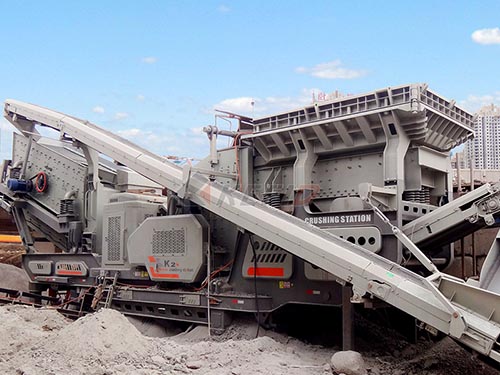
5. Assembly & Testing: Integrating fabricated components with sourced elements (bearings, seals, lubrication systems) into complete machines or major sub-assemblies.
6. Quality Assurance & Control: Implementing rigorous inspection protocols throughout the process – material certification (chemical analysis), non-destructive testing (NDT - UT/MPI/DPI), dimensional verification.
7. Aftermarket Support: Providing wear parts supply lifecycle management services including design optimization based on site-specific conditions.
The Core Process: From Blueprint to Behemoth
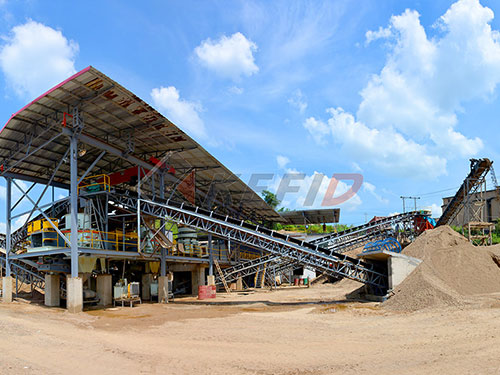
Fabricating a large gyratory crusher is an intricate ballet involving heavy industry disciplines:
1. Design & Optimization: Collaboration between customer engineers and the fabricator's