
China 500 Tph Gold Mining Washing Plant
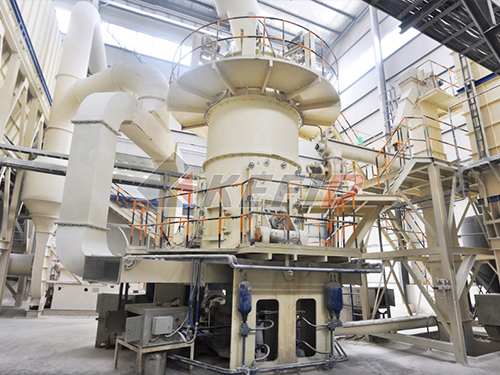

China 500 TPH Gold Mining Washing Plant: HighCapacity Alluvial Gold Recovery Solution
Operational Challenges in LargeScale Gold Recovery
Your operation faces three persistent bottlenecks: declining recovery rates below 85% due to claybound feed material, unplanned downtime exceeding 120 hours annually from screen blinding and pump failures, and escalating water consumption above 4,000 m³ per day for 500 TPH throughput. Each percentage point lost in recovery represents approximately $15,000–$25,000 in unrecovered gold value per month at current market prices. Equipment wear from abrasive quartz and lateritic clays forces complete liner replacements every 800–1,200 operating hours, adding $180,000–$250,000 in annual maintenance costs.
Can your current washing plant handle feed moisture content exceeding 18% without sacrificing throughput? Are you losing fine gold particles below 75 microns to overflow discharge? Does your existing setup require twostage crushing before washing, adding $0.40–$0.60 per ton in preprocessing costs?
Product Overview: Integrated Washing and Recovery System
The China 500 TPH Gold Mining Washing Plant is a modular, skidmounted system combining rotary trommel scrubbing, highpressure spray washing, and multistage gravity concentration. Designed for alluvial, eluvial, and weathered hardrock deposits, this plant processes runofmine feed with clay content up to 40% and particle sizes up to 600 mm.
Operational Workflow:
1. Feed Preparation: Runofmine material enters a vibrating grizzly feeder (bar spacing 50–80 mm) to scalp oversize >150 mm, which discharges to a reject conveyor.
2. Trommel Scrubbing: Feed enters a 2.4 m diameter × 8.0 m long rotary trommel with internal lifters and highpressure spray bars (12–16 bar, 8 nozzles per linear meter). Retention time adjustable 45–90 seconds via variable frequency drive (VFD).
3. Screening and Classification: Trommel screen sections (two decks: 10 mm and 2 mm apertures) separate +10 mm oversize (reject), 2–10 mm middlings (secondary crushing optional), and 2 mm slurry.
4. Gravity Concentration: 2 mm slurry feeds a bank of 8–12 centrifugal concentrators (30 TPH each) with automatic discharge cycles. Concentrate undergoes final upgrading via shaking tables or mercuryfree intensive cyanidation.
5. Water Management: Closedloop system with thickener (20 m diameter) and filter press recovers 85–90% of process water. Makeup water requirement: 400–600 m³/day.
Application Scope: Alluvial gold deposits, riverbed mining, old tailings reprocessing, weathered gold ores. Limitations: Not suitable for primary hardrock ores requiring crushing below 10 mm; maximum feed clay content 45% without preconditioning.
Core Features
HighIntensity Trommel Scrubbing | Technical Basis: Counterrotational lifters with 12–16 bar spray pressure | Operational Benefit: Disaggregates claybound gold particles within 60 seconds retention time | ROI Impact: Reduces downstream grinding energy by 30–40% and increases liberation of fine gold (75–150 micron) by 18–22%
DualDeck Modular Screen System | Technical Basis: Polyurethane screen panels with 10 mm and 2 mm apertures, 18° slope, 1,200 RPM vibration | Operational Benefit: Eliminates screen blinding in highclay feeds through selfcleaning ball decks | ROI Impact: Reduces screen replacement frequency from every 400 hours to 1,200 hours; saves $12,000–$18,000 annually per screen deck
Variable Frequency Drive (VFD) Control | Technical Basis: 160 kW motor with VFD for trommel rotation (4–12 RPM) and feed conveyor speed | Operational Benefit: Adjusts retention time and wash intensity based on realtime feed clay content | ROI Impact: Optimizes water usage by 15–20% and reduces power consumption by 12% compared to fixedspeed operation
Automatic Concentrator Discharge System | Technical Basis: Pneumatic pinch valves with PLCcontrolled discharge cycles (every 15–45 minutes) | Operational Benefit: Eliminates manual concentrate removal, reducing labor requirements by 2 operators per shift | ROI Impact: Increases concentrator availability from 85% to 96%, recovering an additional 0.8–1.2 grams per ton of feed
ClosedLoop Water Recovery | Technical Basis: 20 m highrate thickener with polymer flocculant dosing (5–15 g/m³) and 1,200 mm filter press | Operational Benefit: Recovers 85–90% of process water, reducing fresh water intake from 4,000 m³/day to 400–600 m³/day | ROI Impact: Lowers water procurement costs by $80,000–$120,000 annually in waterscarce regions
WearResistant Component Package | Technical Basis: Hardox 450 steel liners (400 HB) in trommel feed section, polyurethane screen panels, ceramiclined slurry pipes | Operational Benefit: Extends component life by 2.5–3 times compared to standard mild steel | ROI Impact: Reduces annual maintenance costs by $45,000–$65,000 and unplanned downtime by 60 hours per year
Remote Monitoring and Diagnostics | Technical Basis: IoT sensors on 12 critical points (vibration, temperature, flow, pressure) with cloudbased dashboard | Operational Benefit: Provides realtime alerts for bearing wear, screen blinding, and pump cavitation | ROI Impact: Reduces mean time to repair (MTTR) from 8 hours to 2.5 hours; prevents catastrophic failures costing $30,000–$50,000 per incident
Competitive Advantages
| Performance Metric | Industry Standard (500 TPH Plants) | Our 500 TPH Gold Washing Plant | Advantage (% Improvement) |
|||||
| Gold recovery rate (coarse >150 micron) | 92–95% | 96–98% | 3–4% higher recovery |
| Gold recovery rate (fine 75–150 micron) | 75–82% | 85–90% | 8–10% higher recovery |
| Water consumption per ton processed | 6–8 m³/ton | 3.5–4.5 m³/ton | 35–45% reduction |
| Screen blinding frequency (per 1,000 hours) | 8–12 events | 2–4 events | 65–75% reduction |
| Trommel liner replacement interval | 800–1,200 hours | 2,500–3,200 hours | 150–200% longer life |
| Power consumption per ton processed | 1.8–2.4 kWh/ton | 1.3–1.6 kWh/ton | 25–33% reduction |
| Commissioning time (from delivery) | 14–21 days | 7–10 days | 50–55% faster |
| Operator requirement per shift | 4–5 operators | 2–3 operators | 35–40% reduction |
Technical Specifications
| Parameter | Specification |
|||
| Capacity | 500 TPH (nominal), 550 TPH (peak, <25% clay) |
| Feed Size | 0–600 mm (max 800 mm intermittent) |
| Clay Content Tolerance | Up to 45% (with VFD adjustment) |
| Trommel Dimensions | 2.4 m diameter × 8.0 m length |
| Trommel Motor | 160 kW, 4pole, 415 V/50 Hz (or 480 V/60 Hz) |
| Screen Area | 18 m² (two decks) |
| Spray Water Pressure | 12–16 bar (adjustable) |
| Total Installed Power | 380 kW (including conveyors, pumps, concentrators) |
| Water Flow Rate | 1,800–2,400 m³/hour (circulating) |
| Concentrators | 8–12 units, 30 TPH each, 3 mm max feed size |
| Thickener Diameter | 20 m (centerdrive, mild steel) |
| Filter Press | 1,200 mm × 1,200 mm, 100 plates, 80 m³ capacity |
| Overall Dimensions (L×W×H) | 45 m × 18 m × 12 m (operating) |
| Transport Dimensions | 4 × 40 ft containers + 2 flat racks |
| Total Weight | 185 metric tons (operating) |
| Operating Temperature | 10°C to 50°C (with heating options for subzero) |
| Noise Level | <85 dB(A) at 1 m (with acoustic enclosures) |
Application Scenarios
Alluvial Gold Mining – West Africa | Challenge: Feed material contained 35–40% lateritic clay, causing severe screen blinding and reducing effective throughput to 320 TPH. Gold recovery dropped below 70% for particles <100 microns. | Solution: Installed 500 TPH plant with VFDcontrolled trommel (increased retention time to 75 seconds) and dualdeck polyurethane screens with ball decks. Added 10 centrifugal concentrators with 20minute discharge cycles. | Results: Throughput stabilized at 480–510 TPH. Gold recovery for 75–150 micron fraction increased from 68% to 87%. Water consumption reduced from 7.2 m³/ton to 4.1 m³/ton. Annual gold production increased by 22%, equivalent to $1.8 million additional revenue at $1,800/oz.
Riverbed Gold Reprocessing – Southeast Asia | Challenge: Reprocessing 15yearold tailings with 8–12% clay and high silt content (40% passing 75 microns). Existing plant achieved only 55% recovery due to fines loss in overflow. | Solution: Deployed 500 TPH plant with enhanced fine gold recovery circuit: 12 centrifugal concentrators in parallel, followed by twostage shaking table concentration. Installed thickener with 15 g/m³ flocculant dosing. | Results: Recovery rate for tailings feed reached 82% (vs. 55% previously). Concentrate grade improved from 45 g/ton to 280 g/ton. Payback period: 11 months based on incremental gold recovery of 1.8 g/ton.
Weathered HardRock Gold – Central Asia | Challenge: Feed material from weathered quartz veins with 20–25% clay and 15% moisture. Existing plant required twostage crushing (jaw + cone) before washing, adding $0.55/ton in costs. | Solution: Implemented 500 TPH plant with 50 mm grizzly scalping and direct trommel feed. Added secondary scrubber for +10 mm fraction. | Results: Eliminated primary crushing stage, reducing preprocessing costs by $0.48/ton. Throughput maintained at 470–500 TPH. Gold recovery: 94% for +150 micron, 83% for 75–150 micron. Annual cost savings: $720,000.
Commercial Considerations
Equipment Pricing Tiers (FOB Shanghai, exworks):
| Configuration | Price Range (USD) | Lead Time | Includes |
|||||
| Standard (8 concentrators, manual discharge) | $680,000–$750,000 | 8–10 weeks | Trommel, screens, 8 concentrators, pumps, control panel |
| Enhanced (10 concentrators, auto discharge) | $820,000–$910,000 | 10–12 weeks | Above + 2 additional concentrators, PLC autodischarge, remote monitoring |
| Premium (12 concentrators, full automation) | $980,000–$1,080,000 | 12–14 weeks | Above + thickener, filter press, IoT sensors, SCADA integration |
Optional Features:
- Secondary scrubber for +10 mm fraction: $85,000–$110,000
- Shaking table package (4 units): $120,000–$145,000
- Heating system for subzero operation: $45,000–$60,000
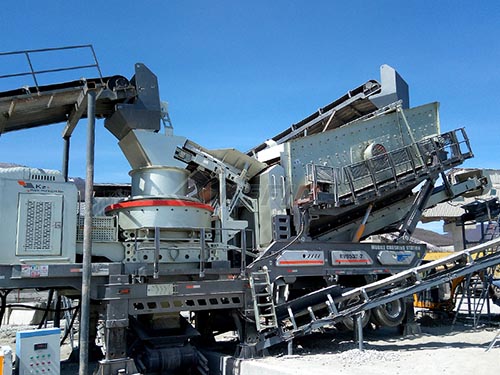
- Mobile chassis (roadtowable): $95,000–$130,000
- Spare parts kit (12month operation): $55,000–$75,000
- Basic (1 year): Remote technical support, 2 onsite visits, software updates: $18,000/year
- Standard (3 years): Above + 4 onsite visits, priority parts dispatch, annual performance audit: $42,000/year
- Comprehensive (5 years): Above + guaranteed 92% uptime, 48hour parts replacement, operator training (4 sessions): $68,000/year
- 30% down payment, 70% upon delivery (standard)
- 20% down, 40% on shipment, 40% after commissioning (available for established buyers)
- Leasetoown: 36month term, 8.5% APR (subject to credit approval)
- Equipmentbacked financing: 12–24 months, 6–9% APR (for buyers with existing operations)
Service Packages:

Financing Options:
FAQ
Q: Can this plant handle feed with clay content exceeding 45%?
A: The standard configuration is optimized for up to 45% clay. For higher clay content (up to 60%), we recommend adding a preconditioning drum or increasing trommel retention time via VFD adjustment. Field data shows recovery rates decline by 3–5% for each 5% increase in clay above 45%. A sitespecific test is recommended before ordering.
Q: What is the expected gold recovery rate for fine particles (50–75 microns)?
A: For the 50–75 micron fraction, recovery typically ranges from 65–78% depending on gold morphology and clay content. Our centrifugal concentrators achieve 72–78% recovery for liberated gold in this size range. For particles below 50 microns, recovery drops to 40–55%; we recommend adding a flotation or intensive cyanidation circuit for optimal recovery.
Q: How long does installation and commissioning take?
A: Site preparation (concrete foundations, water supply) requires 10–14 days. Equipment assembly and wiring: 7–10 days with a 4person crew. Commissioning and operator training: 3–5 days. Total timeline from delivery to full production: 20–28 days. We provide one commissioning engineer onsite for 10 days.
Q: What is the power requirement and can it run on generator power?
A: Total installed power is 380 kW. At 80% load factor, actual consumption is 300–310 kW. For generator operation, we recommend a 500 kVA diesel generator (minimum 450 kVA). The VFD system includes softstart capability, reducing peak demand by 35%. Fuel consumption at full load: approximately 85–95 liters/hour.
Q: What warranty and aftersales support do you offer?
A: Standard warranty: 24 months or 8,000 operating hours (whichever comes first) for manufacturing defects. Wear parts (liners, screens, spray nozzles) are excluded. Aftersales support includes 24/7 remote diagnostics, a regional parts warehouse (stocking 200+ critical components), and guaranteed 48hour dispatch for emergency parts.
Q: Can this plant be expanded to 750 TPH in the future?
A: Yes. The modular design allows capacity expansion by adding a second trommel module in parallel or upgrading to a 2.8 m diameter trommel. Estimated cost for 750 TPH upgrade: $320,000–$420,000. The existing thickener and filter press can handle up to 650 TPH; above that, additional water treatment capacity is required.
Q: What are the environmental compliance requirements?
A: The closedloop water system meets most international standards (IFC, World Bank) for zero liquid discharge. Tailings (oversize +10 mm) are drystacked; 2 mm tailings from concentrators are thickened to 55–65% solids for dry stacking or pond disposal. Noise levels meet OSHA requirements with standard enclosures. We provide environmental compliance documentation for permitting.