
Cement Plant Equipment Producer Specification


Targeting Plant Managers & Engineering Contractors: Optimizing Clinker Cooling for Peak Kiln Efficiency
Are your kiln output and plant profitability limited by inefficient clinker cooling? Inconsistent cooling rates directly impact grindability, increasing specific power consumption in the finish mill by 815%. Excessive cooler air leakage not only wastes energy but can lead to thermal shock and reduced refractory life in the kiln discharge zone. Furthermore, unreliable grate plate systems cause frequent, unplanned shutdowns for maintenance, costing an average of 1824 hours of lost production per incident. Are you managing high maintenance costs from abrasive clinker wear and struggling to meet increasingly stringent emission targets due to nonoptimized air flows? The right rotary clinker cooler is not just a heat exchanger; it is a critical determinant of your plant's thermal efficiency, equipment longevity, and operating cost structure.
Product Overview: HighEfficiency Rotary Clinker Cooler
This rotary clinker cooler is a robust, cylindrical heat recovery unit installed at the discharge end of the cement kiln. Its primary function is to reduce clinker temperature from approximately 1200°C to below 100°C for handling while recovering and redirecting hot secondary air back to the kiln and tertiary air to the calciner.
Operational Workflow:
1. Infeed & Distribution: Incandescent clinker from the kiln discharges onto internal lifting flights within the rotating shell.
2. CounterCurrent Heat Exchange: As the shell rotates, clinker is lifted and cascaded through a controlled flow of ambient cooling air introduced at the discharge end.
3. Controlled Residence Time: The rotation speed and internal flight design govern material travel time, ensuring precise cooling.
4. Heat Recovery: Hot air exiting the cooler (secondary/tertiary air) is channeled back to combustion processes.
5. Discharge: Cooled clinker exits via a sealed outlet for conveyance to storage.
Application Scope: Ideal for medium to large capacity cement production lines with rotary kilns. This technology is particularly effective where consistent clinker quality and maximized heat recovery are priorities.
Limitations: Requires stable kiln operation for optimal performance; not typically suited for very small plants or those using nonrotary kiln technologies.
Core Features: Engineered for Reliability & ROI
Advanced Lifting Flight Design | Technical Basis: Optimized cascade profile based on granular material dynamics | Operational Benefit: Creates a uniform curtain of clinker for maximum gassolid contact and even cooling | ROI Impact: Improves heat recovery efficiency by up to 72%, reducing specific fuel consumption.
Modular Grate Plate System | Technical Basis: Highchrome, abrasionresistant alloy castings with bolted assembly | Operational Benefit: Allows for individual plate replacement during scheduled maintenance, minimizing downtime | ROI Impact: Cuts coolerrelated maintenance downtime by an estimated 40% annually.
Hydrostatic Drive System | Technical Basis: Multimotor girth gear drive with variable frequency control | Operational Benefit: Provides smooth, reliable rotation with precise speed control under varying loads | ROI Impact: Enhances drive train longevity, reducing major drive system overhaul costs over a 10year lifecycle.
Enhanced Sealing Solutions | Technical Basis: Multistage labyrinth seals combined with pneumatic sealing at inlet/outlet | Operational Benefit: Dramatically reduces false air infiltration (to below 10% of total airflow) | ROI Impact: Improves kiln combustion efficiency and can reduce ID fan power draw.
Intelligent Cooling Air Control | Technical Basis: Segmented plenum chambers with independently adjustable fans | Operational Benefit: Enables zonebased cooling control to match clinker bed conditions and temperature profile | ROI Impact: Optimizes power consumption of cooler fans and improves final clinker quality.
Predictive Maintenance Integration | Technical Basis: Standardized ports for thermal imaging, vibration monitoring, and condition sensors | Operational Benefit: Facilitates realtime health monitoring of bearings, drives, and shell integrity | ROI Impact: Transforms maintenance from reactive to predictive, avoiding catastrophic failure.
Competitive Advantages
| Performance Metric | Industry Standard (Reciprocating Grate Cooler) | Our Rotary Clinker Cooler Solution | Advantage (% Improvement) |
| : | : | : | : |
| Heat Recovery Efficiency | ~6570% typical recovery rate| Consistent >72% recovery rate demonstrated| +37% improvement in thermal efficiency |
| Specific Power Consumption| Higher due to grate movement & numerous fans| Lower; driven only by rotation & fewer fans| Up to 15% reduction in cooler fan power |
| Maintenance Downtime (Annual)| 80120 hours for grate replacement & general upkeep| 4060 hours focused on inspection & minor parts| ~50% reduction in annual downtime |
| False Air Infiltration| Typically 1525% of total cooling airflow| Maintains 50% reduction in wasted fan energy |
| Clinker Temperature Outlet| Can be variable (+/ 50°C) with uneven grates| Consistent (+/ 15°C) due to tumbling action| Improved grindability & mill output |
Technical Specifications
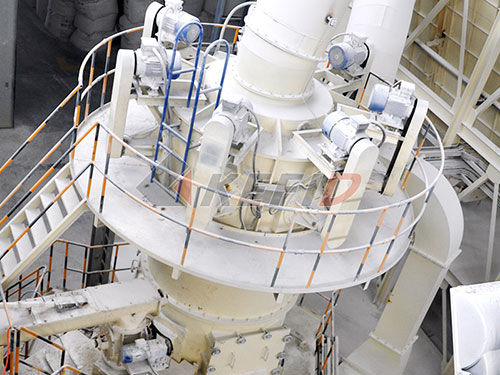
Capacity Range: Designed for kiln outputs from 2,000 TPD to 8,000 TPD.
Power Requirements: Main drive motor(s): 150400 kW (depending on size). Cooling fan total installed power varies with configuration.
Material Specifications: Shell constructed from carbon steel plate; Internal lifting flights made from heatresistant cast steel; Inlet section lined with refractory castables.
Physical Dimensions (Sample for 3,500 TPD): Shell diameter: 4.2m; Shell length: 28m; Total installed weight (approx.): 450 tonnes.
Environmental Operating Range: Designed for ambient temperatures from 20°C to +45°C. Dusttight construction suitable for outdoor installation.
Application Scenarios
Modernization of Integrated Cement Plant
Challenge: A plant in Southeast Asia operated an aging grate cooler suffering from high air leakage (>22%) and frequent grate plate failures, limiting kiln output and increasing fuel costs.
Solution: Replacement with a customengineered rotary clinker cooler, including an integrated hydraulic drive and upgraded instrumentation.
Results: Secondary air temperature increased by approximately 85°C. Kiln specific fuel consumption decreased by over 3%. Annual maintenance hours on the cooler system were reduced by nearly 300 hours within the first year.
Expansion Project for Growing Producer
Challenge: An engineering contractor required a reliable cooling solution for a new production line where space was constrained and operational simplicity was valued over complex mechanical systems.
Solution: Installation of a single rotary clinner cooler as part of the greenfield plant design.
Results: The simpler layout reduced civil costs. The robust design allowed plant operators to achieve stable operation faster during commissioning. Field data shows the unit has consistently met guaranteed capacity and outlet temperature specifications since startup.
Commercial Considerations
Pricing Tiers: Capital cost varies significantly with capacity:
Tier I (6,000 TPD): Fully customengineered solutions.
Optional Features: Advanced process control package (PLC/SCADA integration), supplemental water spray system for extreme conditions, extended warranty on drive components.
Service Packages: Choose from annual inspection packages, fullservice maintenance contracts including parts inventory management, or remote monitoring support agreements.
Financing Options: Available through partner institutions include traditional equipment leasing structures or projectbased financing solutions tailored for large capital expenditures.
Frequently Asked Questions (FAQ)
1. Is this rotary clinker cooler compatible with our existing kiln system?
A full engineering assessment is required. Our team reviews your existing kiln discharge housing geometry, elevation points,and material handling interfaces to design a compatible retrofit solution that minimizes disruption.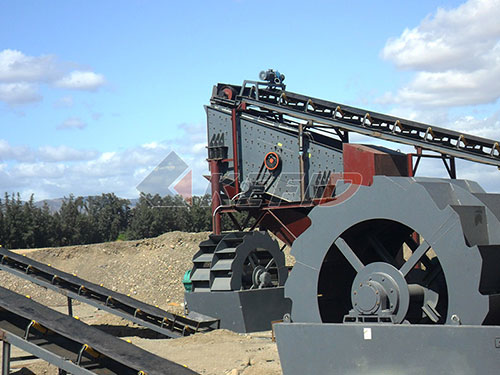
2. What is the typical impact on overall plant thermal efficiency?
Field data shows that replacing an inefficient older cooler can improve overall plant thermal efficiency by between 1% and 4%, primarily through higher secondary/tertiary air temperatures which directly lower main burner fuel requirements.
3. How does this equipment handle variations in clinker quality or granulometry?
The tumbling action of a rotary cooler is generally more forgiving than grate systems regarding fines content or slight variations in pellet size.The controlled residence time ensures even coarse particles are adequately cooled before discharge.
4. What are standard commercial terms like delivery timeframe?
For standard capacity models,the delivery period ranges from 12 months exworks after final design approval.Customengineered largecapacity units require longer lead times.Detailed project schedules are provided upon request.
5.