
تحليل الغربال كسارة الغبار
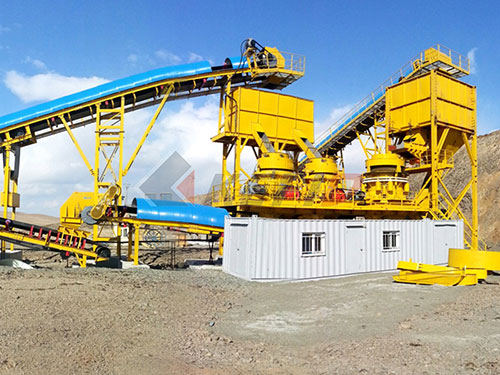

Sieve Analysis of Crusher Dust: Unlocking Particle Distribution for Engineering Applications
مقدمة
غبار كسارة, المعروف أيضا باسم غبار المحجر, غبار الصخور, أو الرمال المصنعة (م-الرمل), is a vital by-product generated during the crushing of rocks and stones in quarries and aggregate processing plants. Primarily composed of fine particles passing the 4.75 مم (لا. 4) غربال, its properties significantly influence its suitability for various construction applications like concrete production, road base/subbase layers, fill material, and asphalt mixes. Among the most critical tests to characterize crusher dust is Sieve Analysis. This fundamental procedure provides essential data on the particle size distribution (تدرج), which directly governs the material's engineering behavior – its strength, compaction characteristics, permeability, drainage potential, and overall performance in its intended use.
The Significance of Sieve Analysis
Sieve analysis remains the most widely adopted and relatively simple method for determining the gradation of granular materials like crusher dust. Its importance lies in:
1. Gradation Characterization: It quantifies the proportions of particles within specific size ranges.
2. ضبط الجودة: Ensures consistency in crusher dust production by comparing batches against target specifications.
3. Predicting Performance: Gradation influences key properties:
الضغط & كثافة: Well-graded materials achieve higher densities under compaction.
قوة & استقرار: Proper interlocking of particles enhances shear strength and load-bearing capacity.
نفاذية & الصرف الصحي: Fines content controls how easily water flows through the material.
Frost Susceptibility: High fines content can lead to detrimental frost heave.
قابلية التشغيل (in Concrete): Affects water demand and ease of placement/finishing.
4. Compliance Verification: Checks if the material meets standards set by organizations like ASTM or AASHTO for specific applications (على سبيل المثال, ASTM C33 for concrete sand).
The Sieve Analysis Procedure (ASTM C136 / AASHTO T27)
The standard dry sieve analysis method involves separating a representative sample of oven-dried crusher dust through a nested stack of sieves with progressively smaller openings.
1. تحضير العينة:
Obtain a representative sample using appropriate splitting techniques (على سبيل المثال, riffle splitter).
Dry the sample thoroughly in an oven at approximately 110 ±5°C until constant mass is achieved to remove moisture that