
آلية عمل الكسارات
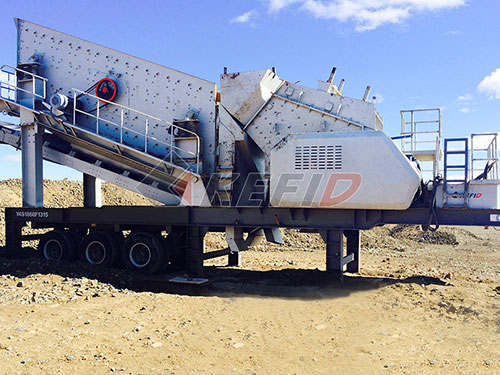

The Intricate Machinery: Unveiling the Mechanism of Crushers
Crushers stand as indispensable workhorses across a vast spectrum of industries, from mining and quarrying extracting the raw materials of civilization, to construction shaping our built environment, and recycling giving discarded materials new life. Their fundamental purpose is deceptively simple: to reduce large, solid masses of rock, خام, أسمنت, or other materials into smaller, more manageable fragments or particles. لكن, the engineering ingenuity and diverse physical principles harnessed to achieve this size reduction are remarkably complex and varied. Understanding the mechanism of crushers is not merely an academic exercise; it is crucial for selecting the right equipment for a specific task, optimizing its operation for efficiency and cost-effectiveness, maximizing product yield with desired particle shape and size distribution, ensuring operator safety through proper use and maintenance protocols, and extending the machine's operational lifespan.
The core objective driving all crusher design is size reduction through applied force. This force manifests in several fundamental ways:
1. ضغط: Applying progressively increasing pressure between two rigid surfaces (على سبيل المثال, فكي, المخاريط) until the material fractures under stress exceeding its compressive strength. This is predominant in primary and secondary crushing stages.
2. تأثير: Subjecting material to sudden blows delivered by rapidly moving hammers or bars attached to a rotor or by throwing material against rigid surfaces (breaker plates/anvils). Impact excels at generating fines and cubical particles.
3. قص / الاستنزاف: Applying forces that cause parts of the material to slide past each other along parallel planes (قص) or rubbing action causing surface wear (الاستنزاف). While rarely the sole mechanism in large crushers, it often plays a significant role alongside compression or impact in certain designs like roll crushers.
4. Cleavage / Chipping: Forces applied at a point causing the material to split along natural planes of weakness.
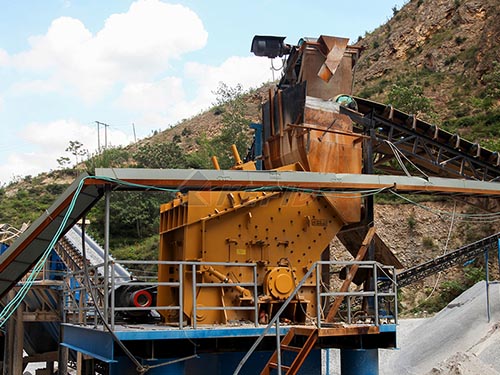
The effectiveness of crushing depends heavily on the interplay between these applied forces and the inherent properties of the feed material: its hardness (resistance to deformation), كشط (tendency to wear machine parts), هشاشة (propensity to fracture suddenly), محتوى الرطوبة (affecting flowability and clogging potential), توزيع حجم التغذية (affecting choke feeding potential), and desired final product specifications.
Major Crusher Types: Mechanisms Unveiled
1. كسارات الفك: The Workhorse of Primary Crushing
Core Mechanism: Relentless Compression.
عناصر & فعل: