
منطقة كسارة مكرانا

The Dust and Diamonds of Earth: Inside Makrana's Crusher Zone
Nestled in the arid plains of Rajasthan, الهند, lies Makrana – a name synonymous with ethereal white marble that has graced monuments like the Taj Mahal for centuries. حتى الآن, behind this legacy of luminous stone lies a grittier reality: the Makrana Crusher Zone. This sprawling industrial landscape is less about carving elegance and more about breaking down mountains into marketable fragments – a vital yet often overlooked engine powering both local survival and global construction.
More Than Just Stone Dust:
The Crusher Zone isn't a single location but a constellation of quarries and processing units scattered around Makrana town (primarily in areas like Dharmpura). هنا, geology meets industry:
1. The Feedstock: While famed for its high-quality Makrana White marble blocks used in sculpture and premium construction, not all extracted stone meets this standard. Lower-grade marble blocks rejected by gang-saw units (which cut slabs), fragments from quarrying waste ("malwa"), overburden rock layers above the marble seams ("patthar"), and even distinct varieties like Kumari (pinkish) or Albeta (grey-streaked) find their way here.
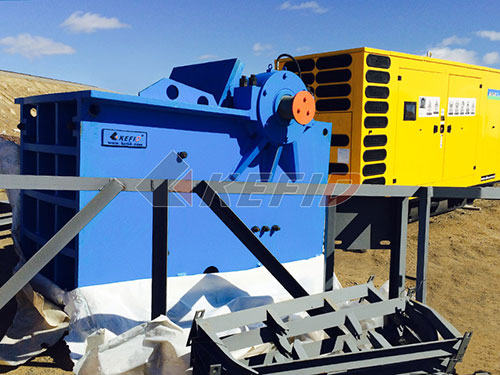
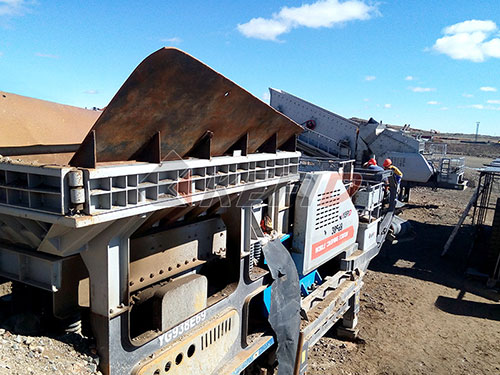
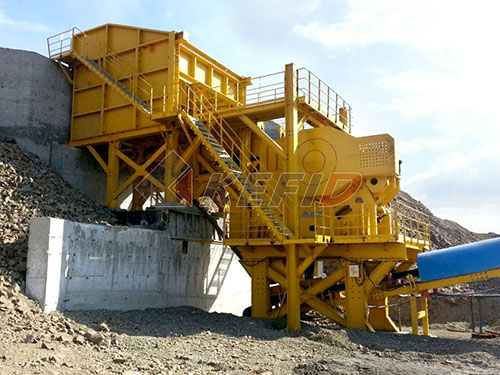
2. العملية: Giant excavators feed raw chunks into primary jaw crushers – roaring machines that reduce boulders to fist-sized rocks. Secondary cone or impact crushers then pulverize them further into aggregates of specific sizes: حصى (3-6 مم), رقائق (6-12 مم), الحصى (12-20 مم), or even finer powders ("باجريك"). Conveyor belts snake through clouds of dust, carrying the processed material to sorting yards.
3. The Output: This zone produces essential building materials:
المجاميع: Crucial for concrete mix in foundations, الطرق, and buildings across Rajasthan and beyond.
Grit & رقائق: Used in terrazzo flooring, mosaic work, landscaping gravel ("gitti"), and as raw material for synthetic marble production.
Powder ("Bajri"): Used as filler in putty, الدهانات, البلاستيك, السيراميك, and even toothpaste.
The Engine Room of Local Economy:
The Crusher Zone is undeniably vital:
Livelihoods: It provides direct employment for thousands – machine operators ("crusher walas"), loaders/unloaders ("mazdoors"),