
استهلاك الوقود كل ساعة من كسارة الفك
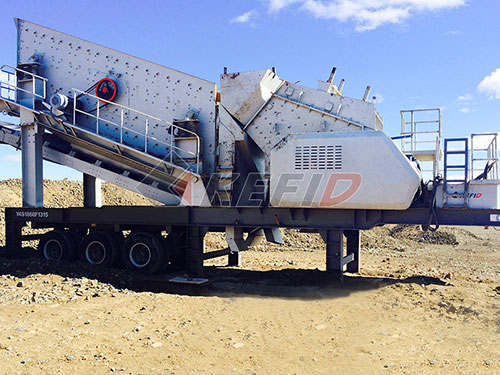

Decoding Fuel Efficiency: Understanding Hourly Consumption in Jaw Crushers
For quarry managers, mining engineers, and equipment operators, operational costs are a constant focus. من بين هؤلاء, fuel consumption stands out as a significant variable expense directly impacting the bottom line. When it comes to powerful primary crushing machines like jaw crushers, understanding their hourly fuel usage isn't just about budgeting; it's crucial for optimizing efficiency and maximizing profitability. لكن, pinning down a single, universal figure for "hourly fuel consumption of a jaw crusher" معقدة بطبيعتها. This article explores the key factors influencing this metric and provides practical insights for estimation and optimization.
Why There's No Magic Number:
Unlike simple engines, the fuel burn rate (typically measured in liters per hour - L/h or gallons per hour - GPH) of a large mobile jaw crusher is highly dynamic. It fluctuates significantly based on several interdependent operational variables:
1. Machine Model & مقاس: This is fundamental. A compact JW40 (or similar smaller model) will naturally consume far less fuel than a high-capacity behemoth like a JW55 or JW80 under comparable conditions. Engine size and power output (HP/kW) are primary determinants.
2. خصائص المواد:
صلابة / كشط: Crushing extremely hard, abrasive granite demands significantly more engine power (and thus fuel) than processing softer limestone or sandstone. The crusher works harder.
حجم التغذية & تدرج: Oversized feed requires more crushing energy per ton produced compared to well-graded material within the crusher's optimal design range.
محتوى الرطوبة: مبتل, sticky material can cause packing and increase load on the crusher momentarily.
3. Desired Output & Settings:
إعداد الجانب المغلق (CSS): A tighter CSS produces finer output but increases resistance and power demand substantially compared to a wider setting producing coarser aggregate.
Throughput Rate: Running the crusher at its maximum designed capacity will naturally consume more fuel than operating at partial load (though often less efficiently per ton at very low loads).
4. Job Site Conditions & عملية:
Feeding Method: ثابت, controlled feeding via a well-regulated feeder optimizes crushing cycles and efficiency. Dumping large loads inconsistently ("slug feeding") causes power spikes and inefficiency.
ج