
محطة كسارة الخبث السائبة


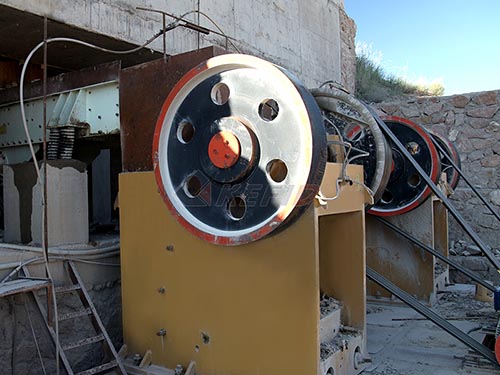
Unlocking Value from Waste: A Comprehensive Guide to Bulk Slag Crusher Plants
مقدمة: The Rising Imperative of Slag Utilization
In the relentless pursuit of industrial progress, vast quantities of by-products are generated annually. من بين هؤلاء, slag – a stony waste material separated from metals during smelting or refining processes – stands out due to its sheer volume and latent potential. Historically relegated to landfills or stockpiles, slag represents not just an environmental burden but also a significant economic opportunity lost. With increasing global emphasis on circular economies, resource efficiency, and sustainable construction practices, the efficient processing and utilization of bulk slag have become paramount.
Enter the Bulk Slag Crusher Plant: a sophisticated engineering solution designed specifically to transform coarse, heterogeneous slag into valuable graded aggregates and raw materials fit for diverse applications. This article delves deep into the purpose, design considerations, key components, operational intricacies, فوائد, التحديات, and future trends surrounding these critical installations that turn industrial waste into wealth.
فهم الخبث: More Than Just Waste
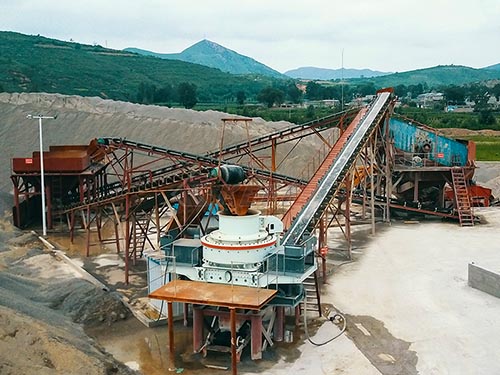
Before exploring the crushing plant itself, understanding the nature of slag is crucial:
1. أنواع: Primarily classified based on origin:
Blast Furnace Slag (بفس): Generated during iron production in blast furnaces.
Steel Slag: Produced in Basic Oxygen Furnaces (BOF), Electric Arc Furnaces (القوات المسلحة المصرية), or Ladle Metallurgy Furnaces.
Non-Ferrous Slags: Including copper slag (converter/furnace), lead slag, zinc slag.
2. صفات: Properties vary significantly:
تعبير: Primarily silicates/aluminosilicates with oxides of calcium/magnesium/iron/manganese/aluminum; may contain residual metals.
صلابة & كشط: Generally very hard and abrasive due to high silicate/mineral content.
مقاس & Form: Can range from fine powder to massive lumps exceeding several tons; often vesicular or crystalline.
محتوى الرطوبة: Can be variable depending on cooling methods (air-cooled vs granulated).
3. Potential Applications Processed Material:
Construction Aggregates (road base/sub-base/concrete/asphalt)
Cementitious Materials / Supplementary Cementitious Materials (SCMs)
Rail Ballast
Landfill Engineering Layers
Soil Amendment / Fertilizer Component