
Aggregate Crushing plant

An Aggregate Crushing Plant is a facility designed to process raw materials like rocks, sand, and gravel into various sizes of aggregate used in construction, road building, and other infrastructure projects. Here’s a breakdown of its key components and processes:
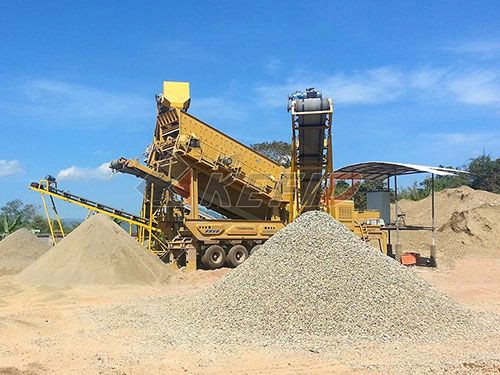
1. Components of an Aggregate Crushing Plant
- Primary Crusher:
- Breaks down large rocks (e.g., jaw crusher, gyratory crusher).
- Output: Coarse aggregates (e.g., 150–50 mm).
- Secondary Crusher:
- Further reduces material size (e.g., cone crusher, impact crusher).
- Output: Medium aggregates (e.g., 50–20 mm).
- Tertiary/Quaternary Crushers:
- Produces fine aggregates or sand (e.g., VSI crusher).
- Output: 20–5 mm or smaller.
- Screening Equipment:
- Vibrating screens separate crushed material into different sizes.
- Conveyor Belts:
- Transport material between stages.
- Washing Systems (optional):
- Remove dirt/clay (for high-quality sand/gravel).
- Storage Bins/Silos:
- Hold finished products before shipment.
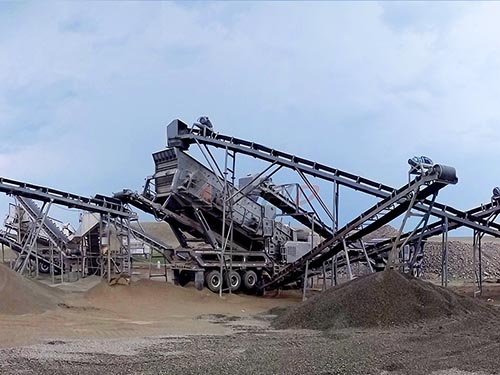
2. Types of Aggregates Produced
- Coarse Aggregates (>4.75 mm): Used in concrete mixes, road bases.
- Fine Aggregates (<4.75 mm): Sand for mortar, asphalt.
- Specialty Aggregates: Railway ballast, drainage stones.
3. Process Flow
1. Feeding: Raw material dumped into a hopper.
2. Crushing: Multi-stage reduction (primary → secondary → tertiary).
3. Screening: Sized via vibrating screens; oversize recirculated.
4. Washing (if needed): Removes impurities.
5. Stockpiling: Sorted aggregates stored for dispatch.
4. Key Considerations
- Material Hardness: Dictates crusher type (e.g., jaw for granite, impact for limestone).
- Capacity: Ranges from small portable plants (100 TPH) to large setups (1000+ TPH).
- Environmental Controls: Dust suppression, noise barriers, water recycling.