
Klipbrekeraanleg
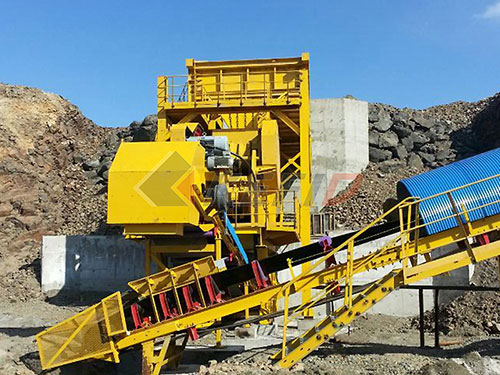

The Engine of Infrastructure: A Comprehensive Guide to Modern Stone Crushing Plants
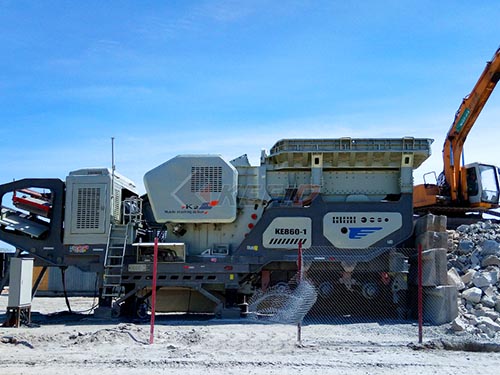
Stone crushing plants are far more than simple rock-breaking facilities; they are sophisticated industrial ecosystems engineered to transform raw geological materials into the essential building blocks of civilization – aggregates. These vital installations sit at the very foundation of construction and development projects worldwide, producing the sand, gruis, gebreekte klip, and specialized aggregates required for everything from roads and bridges to buildings and dams.
The Fundamental Role of Aggregates
Before delving into the plant itself, understanding the significance of its output is crucial:
1. Konstruksie ruggraat: Aggregates constitute approximately 70-80% by volume of concrete mixes used in structural foundations, mure, blaaie, en sypaadjies.
2. Road Infrastructure: Crushed stone forms the base layers (sub-basis en basis kursus) beneath asphalt or concrete pavements in roads and highways.
3. Spoorwegballas: Specially graded crushed stone provides stability and drainage for railroad tracks.
4. Dreinering & Erosiebeheer: Gravels serve as effective drainage layers in trenches and septic fields while riprap protects shorelines from erosion.
5. Landscaping & Decorative Uses: Screened sands and colored aggregates enhance aesthetic appeal in gardens and architectural features.
6. Industriële toepassings: Specific sizes are used as flux stone in steelmaking or as filtration media.
Without efficiently produced aggregates meeting precise specifications regarding size distribution, shape characteristics (kubisiteit), netheid (absence of deleterious materials), and strength properties – modern infrastructure simply could not exist at its current scale or pace.
Anatomy of a Stone Crushing Plant: Kernkomponente
A typical stationary or mobile crushing plant integrates several key pieces of equipment into a cohesive processing line:
1. Feeding Systems:
Vibrating Grizzlies: Heavy-duty screens placed before primary crushers that scalp off oversized rocks (> primary crusher feed size) directly onto haul trucks or stockpiles while allowing smaller material through.
Voorskootvoerders: Robust feeders utilizing overlapping pans driven by chains; ideal for handling large lumps directly from haul trucks or loaders under high-impact conditions near dump hoppers.
Vibrerende voeders: Electromagnetically or mechanically vibrated troughs providing controlled metering of material onto conveyors or into crushers at a regulated rate.
2. Primêre verpletterende stadium:
Kaakbrekers: Die