
Sand Gruis Mynbou Produsente Ontwerp Diens
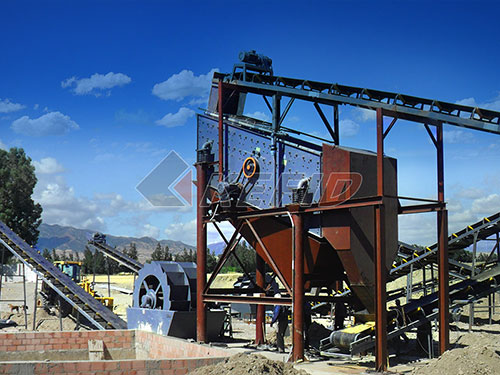

Optimaliseer sand & Gruis Produksie: Die aanspreek van kernoperasionele uitdagings
Are you managing inconsistent feed material that disrupts your entire wash plant’s efficiency? Struggling with the high cost and downtime associated with frequent screen panel replacements? Concerned about lost fines reporting to waste, directly impacting your recoverable yield and profitability? Vir aanlegbestuurders en ingenieurskontrakteurs, these are not minor inconveniences—they are significant barriers to operational reliability and margin protection. How do you achieve consistent specification product while controlling maintenance costs and maximizing material recovery from every ton processed? The solution lies in the critical separation stage: a highperformance sand classifying tank.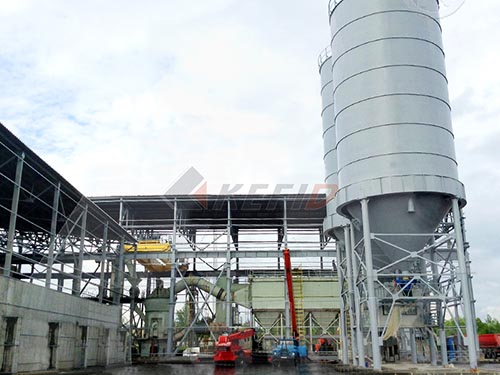
Produk Oorsig: Precision Hydraulic Classification for Aggregate Processing
A sand classifying tank is a hydraulic classification system designed to separate sand particles by size and density using controlled upward current water flow. It is a core component in sand washing and beneficiation plants, replacing or enhancing less efficient methods like cyclones or screw washers for fine material separation.
Operasionele werkvloei:
1. Misinlaat: A sandandwater slurry from a wash screen or hydrosizer enters the feed box.
2. Beheerde afsakking: The slurry flows across a series of chambers or cells. In each cell, precisely controlled upward flow of water creates a hydraulic "teeter" or fluidized bed.
3. SizeBased Separation: Particles finer than the cut point are carried upward by the water current and overflow the weir as product. Heavier, coarser particles settle against the current and are discharged from the bottom of each cell.
4. Produk Omleiding: Valves on each discharge allow for blending or diverting different sand products (bv., beton sand, messelwerk sand) to separate stockpiles.
5. Waterbestuur: Overflow water, carrying silt and clays, is sent to a water treatment circuit for clarification and reuse.
Toepassingsomvang & Beperkings:
Omvang: Ideal for washing and precise sizing of natural sand or crushed fines in the range of approximately 150 gaas (100 mikrons) aan 3/16" (4.75mm). Essential for producing multiple inspec sand products from a single feed source.
Beperkings: Not a dewatering device; products require further dewatering via cyclones, skerms, or dewatering screens. Requires a consistent supply of process water and is not suitable for dry classification.
Kernkenmerke: Engineered for Control, Doeltreffendheid, and Yield
Ons sand classifying tank design is based on decades of field application engineering. Each feature addresses a specific pain point in aggregate processing.
Manifold Water Distribution System | Tegniese basis: Laminar Flow Hydraulics | Bedryfsvoordeel: Provides uniform, nonturbulent upward current across the entire cell area for precise size separation. | ROI impak: Improves product consistency by up to 15%, reducing offspec loadouts and maximizing premium product yield.
WearResistant Polyurethane Cell Liners | Tegniese basis: Abrasionresistant elastomer chemistry | Bedryfsvoordeel: Outlasts steel liners by 35x in highwear zones, eliminating frequent welding repairs. | ROI impak: Reduces liner replacement downtime by over 50% annually and lowers consumable parts inventory costs.
DiaphragmType Divertor Valves | Tegniese basis: Pneumaticactuated fullport valve design | Bedryfsvoordeel: Provides reliable, nonclogging control of sand discharges even with variable feed density. Operators can change product blends in seconds. | ROI impak: Increases plant flexibility to meet changing order demands without process stoppages, optimizing sales opportunities.
Integrated Density & Vlak sensors | Tegniese basis: Nonnuclear pressure transducer technology | Bedryfsvoordeel: Delivers realtime data on bed level and density within each cell for process control automation. Your operators can maintain optimal teeter conditions consistently.| ROI impak: Automates critical control points, stabilizing performance across shift changes and reducing operator burden.
Modular Cell Design | Tegniese basis: Bolttogether sectional construction| Bedryfsvoordeel: Vereenvoudig vervoer, installasie, and future plant modifications. Individual cells can be serviced without dismantling the entire tank.| ROI impak: Verkort installasie tyd met tot 30% and minimizes future expansion costs through easy addon capability.
Mededingende voordele: DataDriven Performance
| Prestasie-metriek | Bedryfstandaard (Conventional Tank) | Our Sand Classifying Tank Solution | Voordeel (% Verbetering) |
| : | : | : | : |
| Screen Panel Life on Dewatering Screen | 46 Weke (due to inconsistent feed gradation) | 812 Weke (stable, wellclassified feed) | +100% Lewens verlenging |
| Fines Loss to Settling Pond| 812% of minus 200mesh material | 35% of minus 200mesh material | Tot 60% Reduction in Loss |
| Time to Adjust Product Blend| Manual valve adjustments; 1520 minute| Automated valve control; <2 minute| ~90% vinniger oorskakeling |
| Annual Liner Maintenance Downtime| 4060 hours for cutting/welding steel| <10 hours for polyurethane inspection/replacement| ~80% Less Downtime |
| Waterverbruik per ton| Varies significantly with manual control| Geoptimaliseer & consistent flow via automated controls| Tot 20% Vermindering |
Tegniese spesifikasies
Kapasiteitsreeks: Modelle beskikbaar vanaf 50 TPH tot verby 500 TPH sand voer kapasiteit.
Kragvereistes: System operates on plant air (80100 psi) for valves; optional control panel requires standard 480V/3Ph/60Hz service.
Materiaalspesifikasies: Tank structure fabricated from ASTM A36 carbon steel with abrasionresistant polyurethane liners (AR400 steel optional). Valves feature natural rubber diaphragms with cast iron bodies.
Fisiese afmetings (Example Model SCT200): Lengte: 24 ft / Breedte: 8 ft / Hoogte:10 ft / Bedryfsgewig:12,000 lbs.
Omgewingsbedryfsreeks: Ontwerp vir buite installasie; operating fluid temperature range of 35°F (37°C) to +120°F (+49°C).
Toepassingsscenario's
Concrete Sand Production from Variable Feed
Uitdaging: A Midwest producer's deposit variability caused their existing cyclones to frequently produce outofspec fineness modulus (FM) sand, leading to high reject rates。
Oplossing: Installation of a customconfigured fourcell sand classifying tank after the scrubber screen, with automated controls tied to continuous weighing monitors。
Resultate: Achieved FM consistency within ±0。1 spesifikasie, reduced offspec product by 98%,and increased saleable concrete sand yield by 22% from the same raw feed。
Frac Sand Silica Recovery Upgrade
Uitdaging: An existing operation was losing highvalue 70 mesh silica grains to waste due to inefficient classification, directly impacting reserve economics。
Oplossing: Integration of a bank of finematerial sand classifying tanks designed for sharp cuts at 100 gaas, replacing older spiral classifiers。
Resultate: Field data shows silica recovery in target size fractions improved from 82%to 94%,payback achieved in under nine months through increased product volume。
Kommersiële oorwegings
Toerustingprysvlakke:
Base Model (Manual Valves, Standard Controls): For budgetconscious upgrades。
Premium Model (Automated Valves, PLC with HMI): Recommended for new plants or major automation projects。
Pasgemaakte stelsels: For complex applications like frac sand or industrial sands。
Opsionele kenmerke: Ceramic tile lining(for ultrahigh abrasion), overflow launders with flocculant injection ports, complete skidmounted packages。
Dienspakkette: Choose from annual inspection programs, liner replacement kits,or comprehensive remote monitoring & diagnostics subscriptions。
Finansieringsopsies: Capital equipment financing leases available through partners, typically offering flexible terms from 36to 60 maande。 Rentaltoown structures can also be arranged for projectbased work。
Frequently Asked Questions(FAQ)
1。 Is this equipment compatible with my existing wash plant?
Ja。 Sand classifying tanks are designed as modular units。 Our engineering team will review your plant layout,feed source,and desired products to specify connection points, pump requirements,en strukturele ondersteunings。
2。 What is the typical installation timeline?
For a standard system, onsite installation typically requires57 days with your prepared foundation。 Skidmounted systems can reduce this time significantly。
3。 How does this impact my overall water consumption?
Properly tuned,a modern classifying tank reduces water consumption per ton by creating more efficient separation。 However it requires consistent water pressure;our design optimizes flow rates which often allowsfor downsizingor optimizingwater recirculation pumps。
4。 What are the key operator skill requirements?
The system simplifies operation through automation。 Basic training focuses on understandingthe control interfaceand routine inspection points rather than manual process adjustment。
5。 What is the expected lifespanof the main structure?
With proper maintenance,the carbon steel structure typically exceeds20 yearsin service.The wear components(liners,diaphragms)are consumable itemswith predictable replacement intervals documentedin themanual。
6。 Kan u prestasiewaarborge verskaf?
Yes.We provide written guaranteesfor material throughput capacityand classification efficiency basedon your providedfeed sample analysisand agreeduponproduct specifications。
7。 What does aftermarket part availability look like?
We stock critical wear parts(valve diaphragms,polyurethane liners)in regional warehouseswith guaranteed48hour shippingfor emergency orders under our service plans