
Draaioond

A rotary kiln is a large, rotating cylindrical furnace used in various industrial processes to heat materials to high temperatures (typically between 900°C and 1,500°C or higher). It is widely used in industries like cement production, metallurgie, chemical processing, and waste treatment.
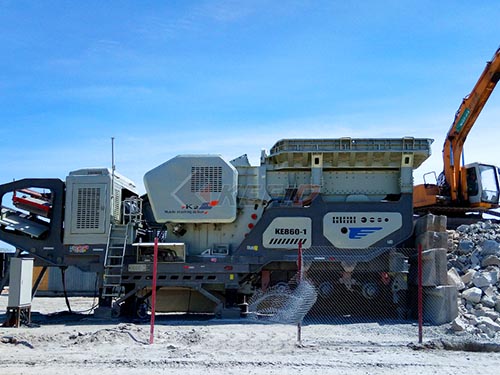
Key Components of a Rotary Kiln:
1. Cylinder (Skulp): A long, slightly inclined steel tube lined with refractory bricks to withstand high temperatures.
2. Ry stelsel: Motors and gears that rotate the kiln at a controlled speed (typically 0.5–5 RPM).
3. Support Rollers & Tyres (Riding Rings): Bearings that support the kiln's weight and allow smooth rotation.
4. Burner & Fuel System: Provides heat using fuels like coal, gas, olie, or alternative fuels (bv., waste materials).
5. Vuurvaste Voering: Heat-resistant material inside the kiln to protect the shell and retain heat.
6. Seëls: Prevent air leakage at the inlet and outlet.
7. Verkoeling & Exhaust Systems: Manage temperature and emissions.
How a Rotary Kiln Works:
1. Materiaal voer: Grondstowwe (bv., kalksteen, erts, or waste) enter the kiln’s upper end.
2. Rotasie & Heating: The inclined kiln rotates slowly, causing material to move toward the hotter end while being heated by the burner.
3. Chemical Reactions: High temperatures trigger processes like calcination (bv., turning limestone into lime), vermindering (metals), or clinker formation (sement).
4.
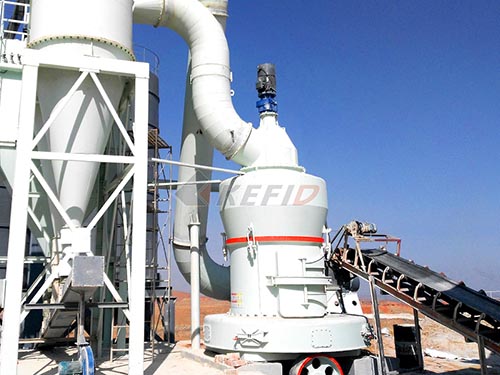
hef: Processed material exits at the lower end for cooling/further processing.
Applications of Rotary Kilns:
1. Sement produksie:
- Calcination of limestone to produce clinker (main component of Portland cement).
2. Metallurgie:
- Roasting/refining ores (bv., yster, aluminium, sink).
- Production of sponge iron via direct reduction (DRI).
3. Chemiese industrie:
- Manufacturing lime, alumina, titanium dioxide, ens.
4. Waste Treatment:
- Incineration of hazardous waste or sewage sludge.
- Pyrolysis of tires/plastics for recycling.
Voordele:
✔ Continuous processing with high throughput.