
Quarry Crusher Machine
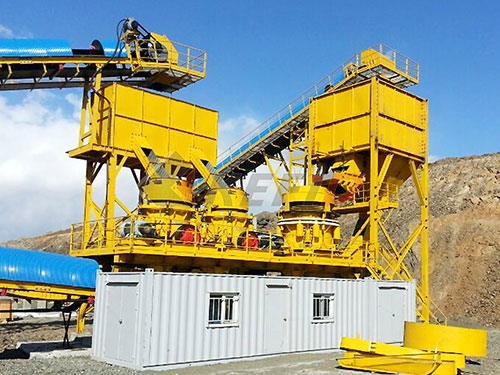

The Indispensable Powerhouse: Understanding Quarry Crusher Machines
Within the rugged landscapes of quarries, where massive rocks are wrested from the earth to fuel global construction and infrastructure development, lies a critical piece of equipment: the Quarry Crusher Machine. Far more than simple rock breakers, these robust machines form the very heart of aggregate production lines, transforming raw blasted material into precisely sized stone essential for concrete, asfalt, padbasisse, en talle ander toepassings.
Die kernfunksie: Grootte verkleining
The fundamental purpose of any quarry crusher is size reduction. Large boulders extracted through drilling and blasting are far too big for direct use in most construction materials or efficient transportation. Crushers systematically reduce these oversized rocks into manageable fragments – aggregates – categorized into specific sizes like coarse aggregates (gruis), fyn aggregate (sand), or crushed stone filler.
Diverse Types for Different Tasks
No single crusher type suits all stages of quarry processing or all rock types. Quarries typically employ a sequence of crushers:
1. Primêre Brekers: These are the first line of defense against massive feed material.
Kaakbrekers: Die werkesels van primêre verplettering. Utilizing a fixed plate and a moving jaw plate that creates a powerful compressive action ("kou"), they excel at handling large feed sizes and hard rock types.
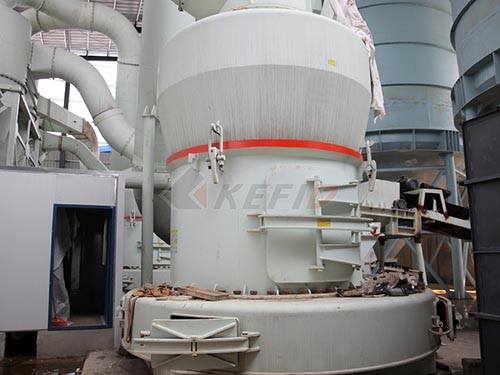
Giratory Brekers: Similar in principle to jaw crushers but capable of handling even larger capacities and higher throughputs in high-production quarries due to their continuous crushing action within a conical chamber.
2. Sekondêre Brekers: These take the output from primary crushers (typically 100-300mm) and reduce it further.
Kegelbrekers: Highly efficient for producing well-shaped cubical aggregates at medium hardness levels. Material is crushed between an eccentrically gyrating mantle and a stationary concave liner.
Impak Brekers: Utilize high-speed impact rather than compression as their primary crushing force.
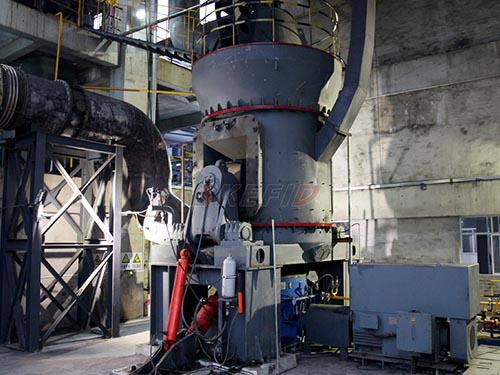
Horisontale skag-impaktors (HSI): Ideal for softer rock types like limestone or recycling applications; known for good shape output.
Vertikale Shaft Impaktors (ALMAL): Often used later in the process as tertiary crushers for shaping ("kubisiteit") and producing sand fines ("vervaardigde sand").
3. Tersiêre/Kwaternêre Brekers: Further refine aggregate size and shape when precise specifications are required (bv., producing high