
Geraasbeheer in steengroef- en vergruisingsterrein
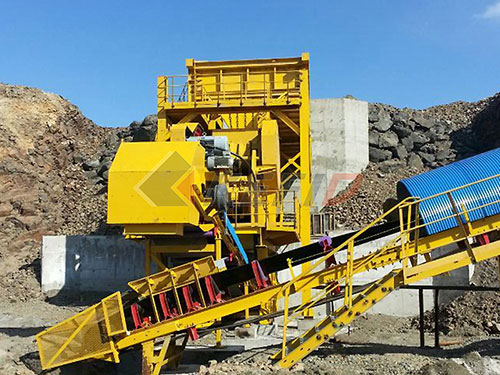

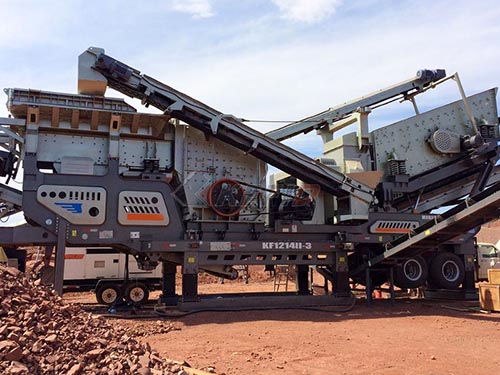
Comprehensive Noise Control Strategies for Stone Quarrying and Crushing Operations
Inleiding
The extraction and processing of stone through quarrying and crushing are fundamental activities supporting global infrastructure development, construction materials supply, and economic growth. Egter, these operations generate significant environmental impacts, with noise pollution ranking among the most pervasive and challenging issues for operators, surrounding communities, regulatory bodies, and worker safety. Uncontrolled noise emissions from quarries can lead to severe health consequences for workers (hearing loss, stress), substantial community annoyance leading to social conflict and operational restrictions, ecological disruption for wildlife habitats, and potential non-compliance penalties. Gevolglik, implementing effective noise control strategies is not merely a regulatory obligation but a critical component of responsible environmental stewardship, sustainable operations management, workforce protection, and maintaining social license to operate.
This article provides an in-depth exploration of noise generation mechanisms within stone quarrying and crushing sites, details the multifaceted impacts of uncontrolled noise pollution across various domains including human health risks such as auditory damage and non-auditory effects like cardiovascular stress as well as ecological consequences such as altered animal behavior patterns in adjacent ecosystems. Most critically, it presents a comprehensive framework for implementing practical noise mitigation measures, organized systematically according to the universally recognized hierarchy of controls: prioritizing source reduction at its origin through technological innovations in equipment design; interrupting transmission pathways via sophisticated engineering solutions; implementing robust administrative controls through operational planning protocols; mandating appropriate personal protective equipment usage where necessary; integrating cutting-edge monitoring technologies; navigating complex regulatory landscapes effectively; addressing implementation challenges realistically; highlighting emerging technological advancements such as predictive maintenance systems powered by artificial intelligence algorithms; emphasizing continuous improvement methodologies; exploring synergies with broader sustainability initiatives including energy efficiency gains that often accompany acoustic upgrades; underscoring the compelling business case beyond mere compliance obligations encompassing enhanced productivity metrics derived from improved worker concentration levels in quieter environments alongside strengthened community relations fostering long-term operational stability.
Understanding Noise Sources in Quarry Operations
Effective control begins with precise identification of dominant noise sources throughout the operational chain:
1. Primary Extraction Activities:
Boorwerk: Percussive rock drills (top hammers or down-the-hole) generate intense impulsive noise exceeding 110 dB(A) due to high-energy impacts between steel bits/pistons/hammers striking rock surfaces coupled with exhaust air discharge turbulence creating broadband aerodynamic noise components.
Skietwerk: Although infrequent per blast event duration compared to continuous processes each detonation produces extremely high peak sound pressure levels reaching over 140 dB(Lin) characterized by powerful