
Pasmaak van kalksteenmynbou-uitvoerders


1. PYNPUNT GEDREWE OPENING
Die bestuur van die uitvoer van hoëgraadse kalksteen is 'n presisie operasie waar konsekwentheid, reinheid, en deurset bepaal direk winsgewendheid. Veroorsaak jou huidige prosesse duur bottelnekke? Algemene uitdagings sluit in:
Inkonsekwente voergrootte: Onbeheerde deeltjiegrootteverspreiding vanaf primêre vergruising lei tot stroomaf verstopte in sekondêre brekers en skerms, verhoging van onbeplande stilstandtyd met 'n geraamde 1520%.
Kontaminant binnedring: Grond, klei, en silika-onsuiwerhede wat nie in die primêre stadium verwyder is nie, kompromitteer die chemiese suiwerheid (CaCO3 inhoud) van jou finale produk, die risiko van verwerping van versending en premiepryserosie.
Lae primêre vergruisdoeltreffendheid: Verouderde kakebeen- of impakbrekers sukkel met die skuurende aard van kalksteen, lei tot buitensporige slytasieonderdeelvervangingskoste en suboptimale opbrengs van die verlangde uitvoerfraksies.
Hoë bedryfskoste: Gereelde onderhoudsiklusse, hoë energieverbruik per ton verwerk, en handmatige sortering vir kontaminasiebeheer verhoog jou koste per uitgevoerde ton.
Is jou primêre verwerking stadium toegerus om 'n konsekwente te lewer, skoon voer wat die kapasiteit en lang lewe van jou hele stroomaf wasgoed maksimeer, sorteer, en laaikring?
2. PRODUK OORSIG
Die Grizzly Feeder is 'n swaardiens, robuust gemanipuleerde primêre voeding en scalping oplossing ontwerp vir die aanvanklike stadium van kalksteen verwerking. Dit dien as die kritieke eerste kontakpunt vir afloopmateriaal, verseker stabiele stroomaf werking.
Operasionele werkvloei:
1. Steengroefvragmotors stort rou, ongegrootte kalksteen direk op die voerder se swaardiensdek.
2. Soos die dek vibreer met 'n lineêre beweging, fyn materiaal (ondermaat grond, klei, en klein rotse) gaan deur die grizzly bars (primêre dek), omseil die primêre breker om slytasie te verminder.
3. Groot materiaal (die teiken kalksteenrots) word langs die dek vervoer en teen 'n beheerde tempo in die primêre breker-bak afgegooi.
4. Die beheerde toevoertempo voorkom dat die brekeroorlading en die storting van paalhope voorkom.
Toepassingsomvang: Ideaal vir hoëtonnage steengroef-bedrywighede wat primêre kakebeen- of gyratoriese brekers voer. Doeltreffend om natuurlike fynstowwe en sagte kontaminante uit te skuur voordat dit fyngedruk word.
Beperkings: Nie 'n breektoestel nie; finale grootte word uitgevoer deur stroomaf toerusting. Werkverrigting op uiters taai klei kan addisionele oplossings vereis soos 'n rolskerm of grizzly was.
3. KERNKENMERKE
HeavyDuty Grizzly Deck | Tegniese basis: Gegote mangaan staal of AR400 staal staaf konstruksie | Bedryfsvoordeel: Weerstaan direkte impak van groot steengroefrots (tot 1500 mm) met minimale vervorming of moegheid mislukking | ROI impak: Verminder dekvervangingsfrekwensie met tot 40% in vergelyking met standaard staal dekke.
Beheerde voertempo | Tegniese basis: Veranderlike frekwensie aandrywing (VFD) op dubbele eksentrieke as-vibratormotors | Bedryfsvoordeel: Operateurs kan voerder-deurset intyds presies ooreenstem met primêre brekerkapasiteit, uitskakeling van verstikkingsvoeding of uitgehongerde voedingstoestande | ROI impak: Optimaliseer breker krag trek en slytasie profiel, verbetering van algehele aanleg deurset deur 812%.
Effektiewe scalping | Tegniese basis: Verstelbare grizzlystaafspasiëring (tipies 50150mm) stel op jou teiken voorkopgrootte | Bedryfsvoordeel: Verwyder 'n aansienlike gedeelte van fynstowwe en kontaminante voordat dit die primêre brekerkamer binnegaan en skuur | ROI impak: Verlaag slytasiekoste van brekervoering met 'n geraamde 2530% en verbeter die suiwerheid van die finale produk.
Lae onderhoud aandrywingstelsel | Tegniese basis: Labirint-verseëlde rollaers met vetspoelstelsel op 'n versterkte vibratorsamestelling | Bedryfsvoordeel: Laers word beskerm teen stof wat binnedring; vetsuiwering verdryf kontaminant-smeermiddel sonder om uitmekaar te haal | ROI impak: Verleng die dienslewe van die laer verder 20,000 ure onder normale omstandighede, vermindering van beplande instandhoudingsgebeurtenisse.
Modulêre Pan Seksies | Tegniese basis: Bolton-dekvoerings en vervangbare grizzly-staafgedeeltes | Bedryfsvoordeel: Verslete of beskadigde dele kan individueel vervang word sonder om die hele toevoerdekstruktuur te verwyder | ROI impak: Verminder stilstand vir die vervanging van voering met meer as 60% en verlaag onderdele-voorraadkoste.
Veerkragtige montagestelsel | Tegniese basis: Helikale staal kronkelvere of rubber skuif bevestigings ingestel op voermassa & beroerte | Bedryfsvoordeel: Isoleer verby 90% van dinamiese kragte vanaf die ondersteunende struktuur, voorkoming van vibrasie-oordrag na grondbakke of ondersteunende staalwerk | ROI impak: Elimineer strukturele krakeherstelwerk en verminder fondasiekoste.
4. MEDEDINGENDE VOORDELE
| Prestasie-metriek | Nywerheid Standaard Oplossing | Ons HeavyDuty Grizzly Feeder Oplossing | Voordeel (% Verbetering) |
| : | : | : | : |
| Dek Lewensverwagting| Standaard T1-staalstawe (1218 maande) | Giet Mangaan / AR400 Bars (2436 maande) | +100% lewensduur |
| Energiedoeltreffendheid| Vaste spoed dryf (konstante hoë kragverbruik) | VFDC-beheerde Vibratormotors (verstelbare krag)| Tot 35% verminderde energieverbruik tydens nie-pieklading |
| Scalping Doeltreffendheid| Statiese Grizzly (geneig om te verblind met taai materiaal)| HighStroke Lineêre Vibrasie Aksie| +50% effektiewe verwydering van fyn stowwe in klam toestande |
| Strukturele integriteit| Gelaste dekkonstruksie (krake by strespunte)| Modulêre BoltOn Deck & Voeringe| Maak plek herstel moontlik; skakel volledige dekvervanging uit |
5. TEGNIESE SPESIFIKASIES
Modelreeks & Kapasiteit: GFH1200 tot GFH2400 reeks; Voertariewe vanaf 600 MT/uur tot 2,500 MT/uur.
Kragvereistes: Dubbele vibratormotors van 2 x 15 kW aan 2 x 45 kW; Standaard toevoerspanning: 415V/50Hz of aanpasbaar.
Materiaalspesifikasies: Hoofraam Vervaardigde swaar staalplaat; Dek Hardox 450 basis met bolton AR400-voerings; Grizzly Bars Gegote Mangaanstaal (opsioneel); Syvoerings Skuurbestande staal.
Fisiese afmetings: Voer openingswydtes van 1200mm tot 2400mm; Lengtes van 4500mm tot 7500mm; Geskatte gewigsreeks: 8 – 22 ton.
Omgewingsbedryfsreeks: Ontwerp vir omgewingstemperature van 20°C tot +50°C; Stofbeskermde motors (IP65); Kan van spuitstawe voorsien word vir afwastoediening.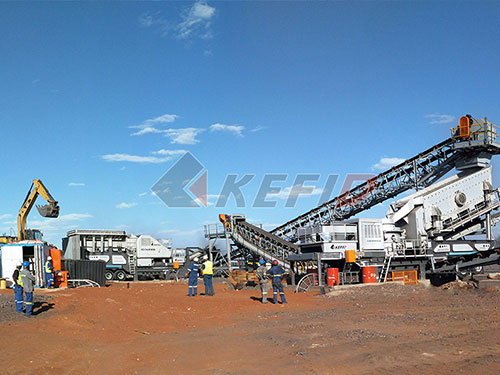
6. TOEPASSINGSSCENARIO'S
HighPurity Chemiese Graad Kalksteen Uitvoer
Uitdaging 'n Groot Asiatiese uitvoerder het konsekwente strawwe in die gesig gestaar vir silika-besmetting wat streng kontraklimiete oorskry het (<1%). Handmatige voorsortering was arbeidsintensief en onbetroubaar.
Oplossing Installasie van 'n GFH1800 grizzly feeder met presies gespasieerde stawe voor die kakebeen breker lyn.
Resultate Die voerder het oor geskaleer 90% silikaryke kertnodules en fyn sand voor fyngedruk. Finale produk suiwerheid konsekwent voldoen <0.8% silika spesifikasie binne ses maande.
Steengroef Deurset Uitbreidingsprojek
Uitdaging 'n Europese aggregaat produsent wat nodig is om aanleg deurset te verhoog met 25% maar is beperk deur gereelde primêre brekeroorladings wat stelselafskakelings veroorsaak het.
Oplossing Die opgradering van hul statiese voorskoot voerder na 'n VFToegestelde GFH2000 grizzly voerder met beheerde voertempo vermoë.
Resultate Die gekontroleerde voer het brekeroorladingsgebeure heeltemal uitgeskakel terwyl piekvoedingstempo's tydens optimale toestande toegelaat word. Plant het 'n volgehoue gemiddelde deursetverhoging van >22%.
7. KOMMERSIËLE OORWEGINGS
Ons grizzly-voerders word in drie vlakke aangebied:
Standaarddiens: Vir laer tonnemaat (<800 MT/uur), minder skuurtoepassings met Hardox-voerings.
Swaardiens (Aanbeveel): Vir die meeste uitvoergerigte kalksteenbedrywighede met AR400/Mangaanvoerings & VFD-aandrywers as standaard.
Ekstra swaardiens: Vir uiterste impak toestande (>1500mm voer), met versterkte vibratorsamestellings & gespesialiseerde legeringsstaal.
Opsionele kenmerke sluit in:
Onderpan versameling vervoerband
Geïntegreerde spuitstaafstelsels
Rotsbreker monteerpakket
Sensors vir afstandmonitering
Dienspakkette wissel van basiese ingebruiknemingsondersteuning tot deur omvattende jaarlikse inspeksiekontrakte wat vibrasieontledingsverslae oor aandrywingkomponente insluit.
Buigsame finansieringsopsies is beskikbaar, insluitend toerustinghuurstrukture wat kapitaalbestedingsbegrotings bewaar.
8. Gereelde vrae
V1 Hoe bepaal ek die korrekte grizzlystaafspasiëring?
A1 Spasiëring is tipies ingestel op ongeveer ~80% van jou primêre breker se geslote kant instelling (CSS). Ons ingenieurspan sal jou voergradasiedata saam met jou teikenuitsetgrootteprofiel tydens projekspesifikasie ontleed.
V2 Kan hierdie toerusting nat of taai kalksteen hanteer?
A2 Ja. Die hoë-energie lineêre slag help om materiaal adhesie op ons skuins dekke beter te voorkom as statiese roosters of lae slag voerders, maar kan periodieke skoonmaak bespuitings benodig as klei inhoud buitengewoon hoog is (>15%).
V3 Wat word benodig vir installasie?
A3 Jy benodig voorbereide fondamente volgens ons gedetailleerde tekeninge saam met toepaslike hefvermoë ter plaatse (~1025T). Ons verskaf volledige installasie toesig as deel van ons ingebruikneming pakket indien gekies
V4 Hoe integreer dit met my bestaande PLC/beheerstelsel?
A4 Ons VFD-beheerpaneel bevat standaard kommunikasieprotokolle soos Modbus TCP/IP wat naatlose integrasie in die meeste plantwye SCADA-stelsels moontlik maak vir gesentraliseerde begin/stop-opdragte
V5 Wat is tipiese deurlooptye?
A5 Loodtye wissel na gelang van modelkompleksiteit, maar wissel gewoonlik tussen twaalf weke na ontwerpgoedkeuring, hoofsaaklik as gevolg van streng vervaardigingsprosesse betrokke
V6 Is onderdele wêreldwyd geredelik beskikbaar?
A6 Ja, ons handhaaf plaaslike pakhuisvoorraad kritiese slytasie-komponente soos gegote mangaanstawe vibratormotorsamestellings wat verseker dat versnelde versendingstye moontlike stilstandtydrisiko's verminder