
Kenia 5-15tph kalksteenbreeklyn

Kenia 5-15tph kalksteenbreeklyn: 'n Model van doeltreffendheid en volhoubaarheid
Inleiding
Kenya's construction and infrastructure sectors are experiencing rapid growth, driving demand for high-quality raw materials such as limestone. To meet this demand while balancing economic and environmental considerations, a tailored 5-15 ton per uur (tph) limestone crushing line has been established in Kenya. This project exemplifies how optimized engineering, advanced technology, and sustainable practices can harmonize industrial productivity with ecological responsibility.
Projek Oorsig
The limestone crushing line, located in a resource-rich region of Kenya, was designed to process medium-hard limestone into aggregates ranging from 0-5mm, 5-20mm, en 20-40 mm. With a flexible capacity of 5-15tph, the plant caters to diverse applications, including road construction, beton produksie, and agricultural soil stabilization. The project was commissioned by a local construction firm aiming to reduce reliance on imported materials while supporting Kenya’s Vision 2030 development goals.
Equipment and Process Design
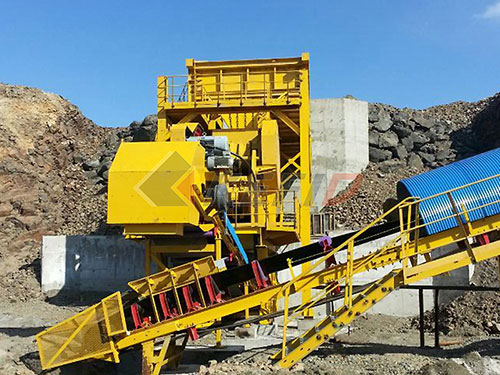
1. Primêre verplettering: A robust jaw crusher serves as the primary crushing unit, reducing large limestone blocks (≤500mm) to manageable sizes of ~150mm. Its simple structure and high durability make it ideal for handling abrasive materials.
2. Sekondêre verplettering: A combination of impact or cone crushers further refines the material to meet precise size specifications. Adjustable settings allow operators to switch between aggregate grades based on market needs.
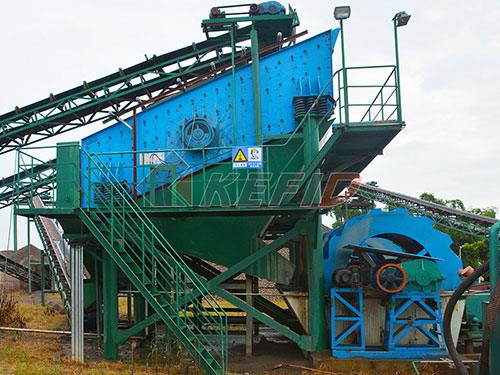
3. Screening and Conveying: Multi-layer vibrating screens segregate crushed limestone into designated sizes, while belt conveyors ensure seamless material flow between stages. Dust suppression systems are integrated to minimize airborne particles.
4. Power Supply: The line operates on a hybrid power system—grid electricity supplemented by diesel generators—ensuring uninterrupted production in regions with unstable power infrastructure.
Om uitdagings te oorkom
The project faced several hurdles inherent to Kenya’s operational landscape:
- Infrastruktuurbeperkings: Remote site locations necessitated modular equipment designs for easier transportation and assembly.
- Maintenance Expertise: Comprehensive training programs were implemented for local technicians to ensure long-term operational efficiency and reduce downtime.
- Omgewingsnakoming: Advanced dust collectors and noise-reduction technologies were deployed to align with Kenya’s environmental regulations and community health standards.
Economic and Social Impact
1. Kostebesparings: By sourcing locally processed limestone, Kenyan