Hidrouliese breekmasjien

The Hydraulic Crushing Machine: Power and Precision in Material Reduction
Hydraulic crushing machines represent a significant evolution in material processing technology, leveraging the immense power and precise control offered by hydraulic systems to break down hard materials efficiently. Found extensively in mining, sloping, herwinning, en totale produksie, these robust machines are indispensable for reducing large rocks, concrete structures, and other tough substances into manageable sizes.
Kernbeginsel: Harnessing Fluid Power
At the heart of a hydraulic crushing machine lies its namesake system. A hydraulic pump, driven typically by a diesel engine or electric motor, pressurizes hydraulic fluid (olie). This high-pressure fluid is directed through valves and hoses to one or more powerful hydraulic cylinders. The pressurized fluid acts upon pistons within these cylinders, generating immense linear force. This force is then transmitted directly to the crushing mechanism – whether it be jaws in a crusher bucket or jaws/rolls in a stationary crusher – applying tremendous pressure to fracture the material trapped between them. The key advantage is the ability to generate crushing forces far exceeding what could be achieved with comparable mechanical linkages alone.
Components and Systems:
1. Hidrouliese krageenheid (HPU): Comprising the pump, reservoir for hydraulic oil, filters (to maintain oil cleanliness), koelers (to manage operating temperatures), and associated valves. This is the "engine room" generating the necessary power.
2. Hydraulic Cylinders: The primary actuators converting hydraulic pressure into massive mechanical force. Their size and number dictate the maximum crushing force output.
3. Verpletteringsmeganisme: The interface with the material.
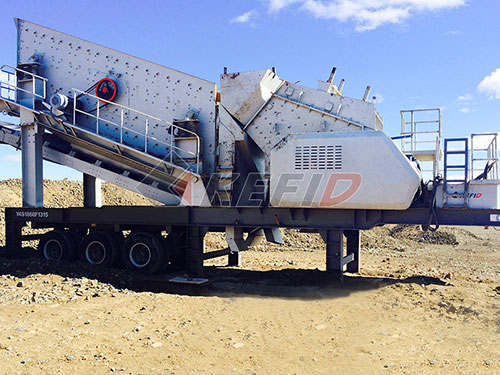
Kaakbrekers: Feature a fixed jaw and a moving jaw attached directly to the hydraulic cylinder(s). The moving jaw exerts cyclic compressive force against the fixed jaw.
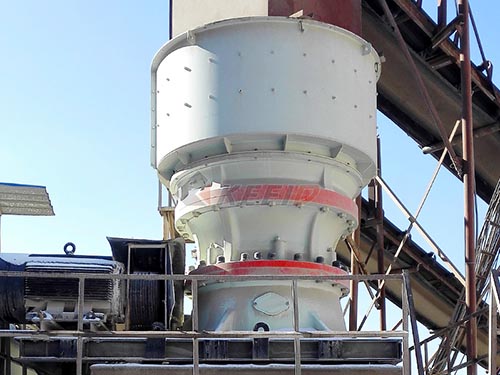
Kegelbrekers: Utilize hydraulics to adjust the crusher setting (gaping) precisely and provide overload protection via hydraulic accumulators that allow momentary movement under extreme load.
Impak Brekers: May use hydraulics for adjusting aprons/curtains or opening the housing for maintenance.
Crusher Buckets: Attachments for excavators where the excavator's own hydraulics power the bucket's crushing jaws.
4. Beheerstelsel: Modern machines feature sophisticated electronic controls managing:
Hydraulic flow direction and pressure
Crusher operation modes (bv., automatic reversal upon overload)
Gap setting adjustment