
Hoëfrekwensie skerm

A High Frequency Screen is a type of vibrating screen designed for efficient particle separation, primarily used in mineral processing, totale produksie, en herwinningsbedrywe. It operates at a higher frequency (typically 3,600–7,200 RPM) compared to conventional screens, enabling better separation of fine materials.
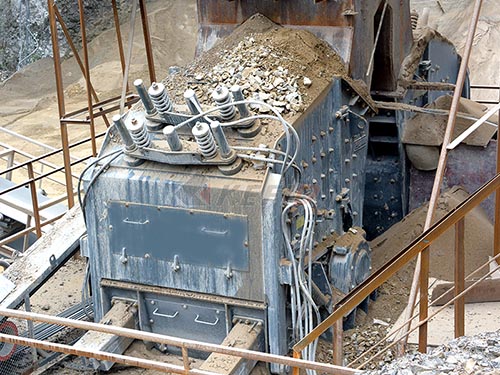
Sleutel kenmerke:
1. Hoë vibrasiefrekwensie:
- Uses rapid vibrations to reduce material blinding (verstop) and improve screening efficiency for fine particles (af na 45 microns or less).
2. Smaller Mesh Sizes:
- Ideal for separating fine materials like sand, steenkool, ystererts, or crushed aggregates.
3. Lae amplitude:
- High-frequency oscillations with small stroke lengths prevent excessive wear and energy consumption.
4. Modulêre ontwerp:
- Often includes replaceable screen panels (polyurethane or stainless steel) for easy maintenance.
5. Aansoeke:
- Minerale verwerking (bv., ontwatering, klassifikasie).
- Aggregate screening (sand, gruis).
- Herwinning (waste sorting, metaal herstel).
- Chemical and food industries (powder separation).
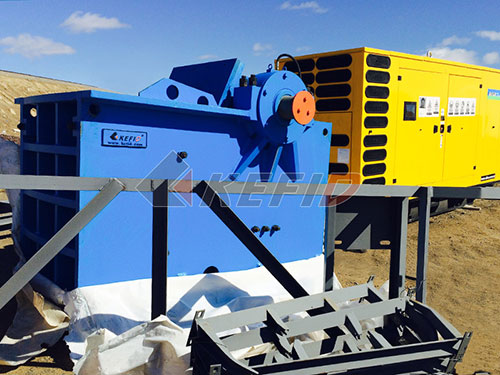
Voordele:
- Higher throughput for fine materials.
- Reduced moisture content in dewatering applications.
- Less clogging due to intense vibration.
Nadele:
- Higher initial cost than traditional screens.
- More maintenance due to intense vibration wear on components.
Vervaardigers:
Popular brands include Derrick Corporation, Outotec, Schenck-proses, and SWECO.
Wil jy besonderhede oor spesifieke modelle of operasionele wenke hê?