
Commercial Stone Quarry Crushing Plant Inspection
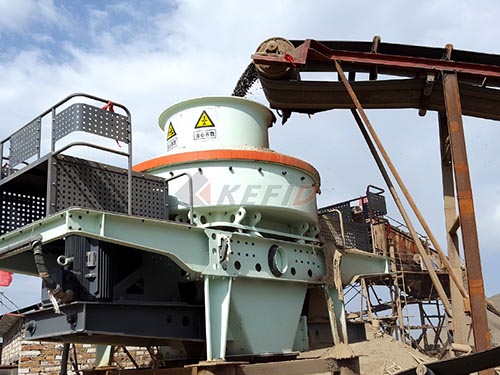

Commercial Stone Quarry Crushing Plant Inspection: Maximizing Uptime and Throughput
The Hidden Costs of Unplanned Crushing Plant Downtime
Every hour your stone quarry crushing plant sits idle costs between $5,000 en $25,000 in lost production revenue, depending on your throughput capacity. Yet industry data from the National Stone, Sand & Gravel Association indicates that 60% of unplanned downtime in crushing operations stems from preventable mechanical failures—failures that a structured inspection protocol would have identified 72 aan 96 hours in advance.
Your maintenance team likely faces three persistent challenges: inconsistent inspection methodologies across shifts, difficulty prioritizing repairs when multiple wear indicators appear simultaneously, and the operational pressure to defer maintenance until catastrophic failure occurs. These factors combine to reduce your effective crushing plant availability by 815% jaarliks.
How confident are you that your current inspection process identifies the specific failure modes that cost your operation $200,000+ per year in avoidable downtime and emergency repair premiums?
Commercial Stone Quarry Crushing Plant Inspection: Systematic Condition Assessment
A commercial stone quarry crushing plant inspection is a structured, documented evaluation of all mechanical, elektries, and structural components within the crushing circuit—from primary feed hopper through final screen decks. This inspection protocol follows a defined workflow:
1. Preinspection data review: Analyze historical wear patterns, production throughput records, and previous inspection findings to establish baseline conditions
2. Visual and dimensional assessment: Examine wear liners, skerm media, belt condition, and structural integrity using calibrated measurement tools
3. Operational performance testing: Measure amperage draw, vibrasie handtekeninge, and temperature profiles under load conditions
4. Lubrication and fluid analysis: Sample gearbox oils, hydraulic fluids, and grease points for contamination and degradation
5. Documentation and prioritization: Generate a ranked repair list with estimated remaining service life for each component
This inspection methodology applies to stationary and mobile crushing plants processing granite, kalksteen, basalt, and traprock at capacities from 200 aan 2,000 ton per uur. It is not suitable for portable screeningonly operations or plants operating without a documented maintenance history.
Core Features of the Inspection Protocol
Structured Component Life Tracking | Tegniese basis: Weibull distribution analysis of wear component failure data | Bedryfsvoordeel: Predict remaining liner life within ±15% accuracy | ROI impak: Reduces emergency liner replacements by 40%, spaar $12,000$18,000 per crusher annually
Vibration Signature Baseline | Tegniese basis: ISO 108163 vibration severity criteria for rotating machinery | Bedryfsvoordeel: Identify bearing degradation 200400 operating hours before failure | ROI impak: Elimineer onbeplande laerfoute, reducing downtime costs by $8,500 per voorval
Screen Media Condition Index | Tegniese basis: Open area percentage measurement versus manufacturer specifications | Bedryfsvoordeel: Optimize screening efficiency by identifying worn media before blinding occurs | ROI impak: Improves product specification compliance by 12%, reducing recrush costs by $3.50 per ton
Conveyor Belt Tension and Tracking Assessment | Tegniese basis: Belt sag ratio calculation per CEMA standards | Bedryfsvoordeel: Prevent belt mistracking damage and splice failures | ROI impak: Extends belt service life by 1824 maande, spaar $15,000$25,000 per belt replacement
Lubricant Contamination Analysis | Tegniese basis: ISO 4406 cleanliness code and moisture content testing | Bedryfsvoordeel: Detect seal failures and contamination ingress before component damage | ROI impak: Reduces gearbox replacement frequency by 35%, spaar $7,000$11,000 per gearbox
Structural Crack Detection | Tegniese basis: Magnetic particle and dye penetrant testing on weldments | Bedryfsvoordeel: Identify fatigue cracks in crusher bases and screen support structures | ROI impak: Prevents structural failure costs averaging $45,000 per incident including repair and lost production
Electrical System Thermal Imaging | Tegniese basis: NFPA 70E arc flash safety standards combined with infrared thermography | Bedryfsvoordeel: Detect loose connections and overloaded circuits before electrical fires | ROI impak: Eliminates electrical failure downtime averaging 18 ure per voorval
Mededingende voordele: Inspection Protocol Performance Comparison
| Prestasie-metriek | Bedryfstandaard (Visual Inspection) | Structured Inspection Protocol | Voordeel |
|||||
| Component failure prediction accuracy | 4555% | 7885% | 58% verbetering |
| Average lead time before failure detection | 2448 ure | 72120 ure | 150% verbetering |
| Annual unplanned downtime (ure) | 180240 | 80120 | 50% vermindering |
| Emergency repair cost per year | $85,000$120,000 | $35,000$55,000 | 58% vermindering |
| Maintenance labor efficiency | 60% productive | 85% productive | 42% verbetering |
| Component replacement accuracy | 30% replaced prematurely | 8% replaced prematurely | 73% vermindering in afval |
| Veiligheidsinsidentesyfer (maintenancerelated) | 2.4 per 100 werkers | 0.8 per 100 werkers | 67% vermindering |
Technical Specifications for Commercial Stone Quarry Crushing Plant Inspection
Inspeksie kapasiteit: Single plant throughput up to 2,000 ton per uur; multiplant operations up to 5 plants per inspection cycle
Kragvereistes: Inspection equipment operates on 120V AC or battery power; no plant power required for inspection activities
Equipment Requirements:
- Laser distance measurement tools (akkuraatheid ±1mm)
- Vibration analyzer (FFT capability, 010kHz range)
- Thermal imaging camera (320x240 resolution minimum, ±2°C accuracy)
- Ultrasonic thickness gauge (0200mm range, ±0.1mm accuracy)
- Lubricant sampling kit (ISO 4406 voldoen)
- Digital torque wrench (calibrated within 90 dae)
- Temperatuur: 0°C tot 45 °C (32°F tot 113°F)
- Humiditeit: 095% nie-kondenserend
- Hoogte: Seevlak te 4,000 meter
- Weather: No precipitation during inspection activities
- Digital inspection report within 5 werksdae
- Prioritized repair list with cost estimates
- Component remaining life projections
- Photographic evidence of all findings
- Trend data comparison with previous inspections
- Basic Inspection (Single Visit): $4,500$6,500 per plant
- Standard Inspection (Quarterly Program): $3,800$5,200 per inspection
- Premium Inspection (Monthly Program): $2,800$4,200 per inspection
- Integrasie van afstandmonitering: $1,500 setup + $350/maand
- Operateurs opleidingsprogram: $3,200 per sessie (tot 8 personeel)
- Spare parts inventory optimization: $2,800 per analysis
- OEMspecific inspection addon: $1,200 per major component
- Jaarlikse Onderhoudskontrak: 4 standard inspections + 1 premium inspection + emergency support = $18,500/year (red $3,200 vs. individual purchases)
- MultiPlant Discount: 10% discount for 3+ plants on same contract
- Prestasie waarborg: 15% reduction in unplanned downtime or next inspection free
- Netto 30 payment terms for qualified buyers
- Quarterly payment plans available for annual contracts
- Equipment leasing for inspection tools (starting at $450/month)
Fisiese afmetings: Inspection team requires 200 square feet of staging area; access to all plant levels required
Omgewingsbedryfsreeks:
Documentation Output:
Toepassingsscenario's
Kalksteengroef, 800 TPH Stationary Plant | Uitdaging: Plant experiencing 14% unplanned downtime rate with no predictive maintenance program. Maintenance team replacing cone crusher liners every 3 months based on visual wear only. | Oplossing: Implemented structured inspection protocol with vibration monitoring and liner thickness measurement. Established baseline data for all 7 crushers and 12 skerm dekke. | Resultate: Unplanned downtime reduced to 6% binne 6 maande. Voertuigvervangingsintervalle verleng na 5 months through optimized wear patterns. Annual maintenance cost reduction of $187,000.
Granietsteengroef, 1,200 TPH Mobile Plant | Uitdaging: Mobile plant operating in three different pits with inconsistent inspection practices across locations. Two conveyor belt failures in 8 months caused 40 hours of lost production each. | Oplossing: Standardized inspection protocol across all three operating locations. Implemented belt tension measurement and splice inspection procedures. | Resultate: Zero belt failures in 14 months following protocol implementation. Inspection consistency improved from 40% aan 92% across locations. Production availability increased from 82% aan 91%.
Traprock Quarry, 600 TPH Plant with High Clay Content | Uitdaging: Screen blinding causing 18% recirculation load, reducing plant throughput by 120 TPH. Frequent screen deck replacements every 4 weke. | Oplossing: Screen media condition index inspection identified optimal media opening sizes and wire diameters for clay conditions. Implemented weekly screen tension monitoring. | Resultate: Screen deck life extended to 8 weke. Hersirkulasielading verminder tot 8%. Plantdeurset het met 80 TPH, genereer $1.2 million additional annual revenue.
Kommersiële oorwegings
Inspection Service Pricing Tiers:
Visual inspection of all components
Basic vibration readings on crushers and screens
Written report with repair priorities
Full instrumentation including thermal imaging and lubricant analysis
Trend data comparison from previous inspections
Priority repair list with cost estimates
All standard features plus ultrasonic thickness testing
Onsite maintenance planning session
24uur noodondersteuning
Opsionele kenmerke:
Dienspakkette:
Finansieringsopsies:
Gereelde Vrae
V: How long does a complete crushing plant inspection take?
A: For a typical 800 TPH plant with 3 crushers and 6 skerms, the onsite inspection requires 812 ure. Larger plants with 5+ crushers may require 1620 hours over two days.
V: Can the inspection be performed while the plant is operating?
A: Ongeveer 70% of inspection activities can be conducted during operation. Vibrasie analise, thermal imaging, and visual inspection of operating components are performed under load. Crusher liner measurements and screen media inspection require the plant to be shut down for 24 ure.
V: What qualifications do your inspection technicians hold?
A: All lead inspectors hold a minimum of 10 years crushing plant experience, ISO 184362 Category II vibration analysis certification, and Level I thermography certification. Technicians complete annual training on new equipment models.
V: How does this inspection protocol differ from what our maintenance team already does?
A: Most plant maintenance teams perform reactive inspections focused on visible wear. This protocol adds quantitative measurements, trend analysis, and predictive modeling that identifies failure modes 72120 hours before they become visible. Field data shows this reduces unplanned downtime by 50%.
V: Can this inspection protocol be applied to older plants (15+ jare)?
A: Ja. In fact, older plants typically benefit more from structured inspection because wear patterns and structural fatigue are more advanced. The protocol includes specific structural crack detection procedures for aging equipment.
V: What is the typical ROI timeline for implementing this inspection program?
A: Most operations recover the annual inspection cost within 34 months through reduced emergency repairs and improved uptime. The average firstyear ROI is 340% gebaseer op data van 47 steengroefbedrywighede.
V: Do you provide inspection reports that satisfy insurance or regulatory requirements?
A: Ja. All inspection reports include documentation meeting OSHA 1910.179 requirements for crane and hoist inspections, MSHA deel 56/57 compliance documentation for safety systems, and insurance carrier requirements for equipment condition assessments.