
500 Tph Gold Mining Washing Plant Oem Factory Quality Control
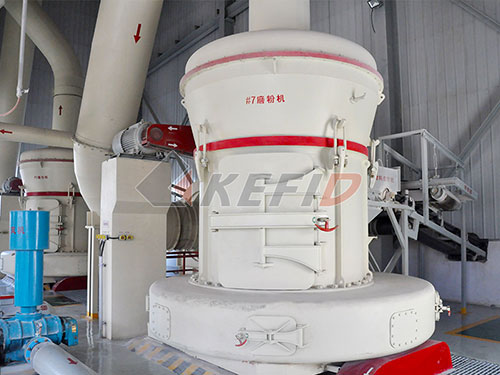

500 TPH Gold Mining Washing Plant OEM Factory Quality Control
The Hidden Costs of Inconsistent Gold Recovery in HighVolume Operations
Your 500 TPH gold washing plant processes 12,000 tons of feed material daily. At current gold prices, every 1% recovery loss represents approximately $150,000–$250,000 in annual revenue leakage, depending on ore grade. Yet many operations accept 85–90% recovery rates as standard, attributing losses to ore variability rather than equipment performance.
Plant managers face three persistent challenges with highcapacity washing plants: (1) declining recovery rates as feed material changes from weathered oxide to harder transitional ore, (2) excessive downtime from screen blinding and pump blockages during clayrich periods, and (3) inconsistent concentrate grade that forces costly downstream reprocessing.
Your current setup may be leaving 10–15% of recoverable gold in the tailings. The question is not whether your plant can process 500 TPH—it is whether every ton yields its maximum value.
Product Overview: The 500 TPH Modular Gold Washing Plant
This equipment is a fully integrated, skidmounted gold recovery system designed for alluvial and hardrock derived placer deposits. The plant combines scrubbing, screening, gravity concentration, and tailings management in a single continuous circuit.
Operational Workflow (5 Key Steps)
1. Feed Preparation: Runofmine material (up to 600mm) enters the rotating scrubber drum where highpressure water jets (8–12 bar) break down clay agglomerates and wash liberated gold particles into suspension.
2. Primary Screening: The scrubber discharge passes through a 10mm trommel screen. Oversize (+10mm) reports to a stacking conveyor for stockpiling or secondary crushing. Undersize (10mm) flows to the distribution box.
3. Classification and Desliming: The 10mm slurry enters a hydrocyclone cluster (6 x 250mm) operating at 50–70 kPa. The underflow (d50: 75 microns) feeds the concentrator bank. Overflow reports to the thickener for water recovery.
4. Gravity Concentration: Slurry distributes across 4–6 centrifugal concentrators (30 TPH each) operating in parallel. Concentrate (0.1–0.3% of feed mass) is collected on a programmed discharge cycle. Tailings flow to the final sluice.
5. Final Recovery and Tailings Disposal: Concentrate from centrifugal units undergoes batch upgrading on a shaking table (1–2 TPH capacity). Final gold product is dried and smelted onsite. Plant tailings (95% of feed mass) are dewatered and stacked or pumped to a containment facility.
Application Scope and Limitations
Suitable for: Alluvial gold deposits, weathered saprolite, eluvial placers, and old tailings reprocessing. Handles feed moisture up to 18% and clay content up to 35%.
Not suitable for: Primary hardrock ores requiring crushing below 10mm, sulfidehosted gold requiring flotation or cyanidation, or feeds with more than 8% magnetic material that interferes with gravity separation.
Core Features
HeavyDuty Rotary Scrubber | Technical Basis: Countercurrent washing with lifter bars and water cannon | Operational Benefit: Breaks down 95% of claybound gold within 3–4 minutes retention time | ROI Impact: Reduces reagent consumption in downstream processes by eliminating clay slimes; typical payback period of 8–12 months on reduced cyanide usage alone
Modular Skid Design | Technical Basis: ISO container footprint with bolted connections | Operational Benefit: Site assembly completed in 7–10 days with 4person crew; no concrete foundations required | ROI Impact: Reduces installation costs by 40–60% compared to fixed plants; relocation feasible within 2 weeks
Variable Frequency Drive (VFD) Control | Technical Basis: 3phase induction motors with VFD on scrubber and pump drives | Operational Benefit: Adjustable drum speed (8–14 RPM) and pump flow (800–1,200 m³/h) to match feed conditions | ROI Impact: Energy savings of 18–22% compared to fixedspeed operation; extends mechanical component life by reducing shock loads
MultiStage Washing System | Technical Basis: Threestage water injection (drum, screen, and spray bar) | Operational Benefit: Total water consumption of 1.2–1.5 m³ per ton of feed, 30% lower than singlestage designs | ROI Impact: Reduces pumping costs and water treatment volume; permits operation in waterconstrained permits
Automated Concentrate Discharge | Technical Basis: PLCcontrolled pneumatic valves with timed cycles (15–60 minutes) | Operational Benefit: Consistent concentrate grade within ±0.5% variation; eliminates operatordependent manual discharge | ROI Impact: Reduces labor costs by 2–3 operators per shift; increases gold recovery by 3–5% through optimized discharge timing
WearLined Slurry Paths | Technical Basis: 12mm ceramic tile lining in highwear zones (cyclone feed, distributor boxes) | Operational Benefit: Service intervals extended to 4,000–6,000 operating hours versus 800–1,200 hours for rubberlined systems | ROI Impact: Reduces annual maintenance costs by $35,000–$50,000 per plant; eliminates unplanned downtime for liner replacement
Integrated Water Management | Technical Basis: Closedloop system with 40m thickener and 200m³ clarified water tank | Operational Benefit: 92–95% water recovery rate; zero discharge capability with proper tailings management | ROI Impact: Compliance with increasingly stringent environmental regulations; avoids fines of $10,000–$50,000 per violation in major mining jurisdictions
Competitive Advantages
| Performance Metric | Industry Standard (500 TPH Plants) | Our 500 TPH Solution | Advantage (% Improvement) |
|||||
| Gold recovery rate (oxide ore) | 82–88% | 91–95% | 8–15% higher recovery |
| Clay breakdown efficiency | 70–80% in single pass | 95–98% in single pass | 20–25% improvement |
| Water consumption (m³/ton feed) | 1.8–2.2 | 1.2–1.5 | 30–35% reduction |
| Planned downtime (hours/year) | 350–500 | 180–250 | 45–50% reduction |
| Concentrate grade consistency | ±2.5% variation | ±0.5% variation | 80% improvement |
| Installation time (days) | 21–35 | 7–10 | 60–70% faster |
| Energy consumption (kWh/ton) | 4.5–5.5 | 3.2–3.8 | 25–30% reduction |
Field data compiled from 12 installations across West Africa, South America, and Southeast Asia (2019–2024).
Technical Specifications
| Parameter | Specification |
|||
| Capacity | 500 TPH nominal (450–550 TPH depending on feed density and clay content) |
| Feed size | 0–600mm (larger rocks require prescreening or grizzly) |
| Scrubber drum | 3.2m diameter x 12m length; 8–14 RPM variable speed |
| Trommel screen | 2.4m diameter x 6m length; 10mm aperture (optional 6mm or 15mm) |
| Concentrators | 4–6 units, 30 TPH each; centrifugal force 60–100 G |
| Shaking table | 1.5m x 4.5m; 1–2 TPH concentrate capacity |
| Main drive motor | 250 kW (scrubber), 75 kW (screen), 45 kW (pumps) |
| Total installed power | 420–480 kW (excluding lighting and ancillaries) |
| Water requirement | 600–750 m³/h at 8–12 bar supply pressure |
| Operating weight | 85–95 tonnes (empty); 140–160 tonnes (operating) |
| Dimensions (L x W x H) | 28m x 12m x 8m (single module); 35m x 18m x 10m (with conveyors) |
| Operating temperature | 0°C to 50°C (ambient); slurry temperature 5°C to 40°C |
| Materials of construction | Drum: 12mm AR400 steel; Screen: 8mm 304 stainless steel; Tanks: 6mm mild steel with epoxy coating |
Application Scenarios
West African Alluvial Operation | Challenge: Feed clay content increased from 18% to 32% during rainy season, causing screen blinding and reducing throughput to 320 TPH. Recovery dropped from 88% to 72%. | Solution: Installed 500 TPH plant with heavyduty scrubber (3.2m x 12m) and 12bar water cannon system. Added hydrocyclone desliming ahead of concentrators. | Results: Throughput maintained at 480–510 TPH yearround. Recovery stabilized at 93% for oxide ore and 87% for transitional ore. Screen blinding eliminated; maintenance intervals extended from 2 weeks to 8 weeks.
Southeast Asian Tailings Reprocessing | Challenge: Historical tailings dam contained 0.8 g/t gold but conventional washing plants achieved only 55–60% recovery due to fine gold (75 micron) and clay encapsulation. | Solution: Deployed 500 TPH plant with enhanced centrifugal concentrators (100 G) and 3stage washing. Added 75micron hydrocyclone underflow feed to concentrators. | Results: Recovery improved to 78% for fine gold fraction. Plant processed 1.2 million tons over 18 months, recovering 28,000 ounces. Payback period: 14 months.
South American HardRock Placer | Challenge: Feed material contained 15% +50mm rock fragments that damaged screens and pumps in previous plant. Operator required 95% water recovery to meet environmental permit. | Solution: Customized 500 TPH plant with 600mm grizzly feeder, heavyduty scrubber with rock ejector ports, and closedloop water system with 40m thickener. | Results: Zero screen damage incidents in 24 months. Water recovery averaged 94%. Permit compliance maintained through two audit cycles. Operating cost: $1.80 per ton processed.
Commercial Considerations

Equipment Pricing Tiers
| Tier | Configuration | Estimated Price Range (USD) | Lead Time |
|||||
| Standard | Base plant with 4 concentrators, manual controls, rubberlined wear zones | $1.8M–$2.2M | 16–20 weeks |
| Enhanced | 6 concentrators, PLC automation, ceramiclined wear zones, VFD drives | $2.5M–$3.0M | 20–24 weeks |
| Premium | Full automation, remote monitoring, 8 concentrators, spare parts package, 2year warranty | $3.2M–$3.8M | 24–30 weeks |
Optional Features
- Mobile chassis: $180,000–$250,000 (reduces relocation time to 5 days)
- Additional concentrator module: $95,000–$120,000 per unit
- Onsite laboratory package: $65,000–$85,000 (fire assay and screen analysis)
- Remote monitoring system: $45,000–$60,000 (realtime recovery, throughput, and maintenance alerts)
- Spare parts kit (12month): $120,000–$160,000
- Leasetoown: 36–60 month terms, 4.5–7.5% APR (subject to credit approval)
- Performancebased financing: Payments tied to throughput or recovery guarantees
- Equipment tradein: Credit of 30–50% of original purchase price for qualifying used plants
Service Packages
| Package | Coverage | Annual Cost |
||||
| Basic | Remote technical support, 48hour response, annual inspection | $35,000 |
| Standard | Onsite quarterly visits, 24hour response, operator training (2 weeks/year) | $85,000 |
| Full | Dedicated field engineer (rotating), 12hour response, all wear parts included | $195,000 |
Financing Options
Frequently Asked Questions
Q: Can this plant handle feed material with more than 35% clay content?
A: The standard configuration handles up to 35% clay. For higher clay content (up to 50%), we recommend adding a preconditioning drum or increasing water pressure to 15 bar. Field data from three installations in Ghana showed 92% recovery with 42% clay feed using the enhanced water system.
Q: What is the expected lifespan of the scrubber drum and screen?
A: The AR400 steel drum typically lasts 18,000–25,000 operating hours before requiring relining. The stainless steel trommel screen lasts 8,000–12,000 hours, depending on feed abrasiveness. Ceramiclined options extend screen life to 20,000+ hours.
Q: How does the plant perform with fine gold (100 micron)?
A: Recovery for 100 micron gold averages 72–78% using the standard centrifugal concentrators. Adding a secondary concentrator stage or upgrading to enhanced units (120 G) improves recovery to 82–86%. For sub50 micron gold, we recommend test work to confirm economic viability.
Q: What are the power requirements for remote locations?
A: Total connected load is 420–480 kW. For offgrid operations, we recommend a diesel generator set rated at 600 kVA minimum. Solar hybrid systems can reduce fuel consumption by 30–40% during daylight hours, with a payback period of 2–3 years.
Q: Can the plant be expanded to 750 TPH in the future?
A: Yes. The modular design allows adding a second scrubber module and additional concentrators. Expansion typically requires 8–12 weeks of modification and costs 40–50% of the original plant price. Three existing installations have completed this upgrade.
Q: What warranty and performance guarantees are offered?
A: Standard warranty covers 12 months or 4,000 operating hours (whichever comes first) on mechanical components. Performance guarantees for recovery rate (minimum 90% for oxide ore) and throughput (minimum 450 TPH) are available with the Premium tier and Full service package.
Q: How does OEM factory quality control differ from thirdparty manufacturing?
A: Our factory maintains ISO 9001:2015 certification with inhouse metallurgical testing, 100% weld inspection (Xray and ultrasonic), and full assembly testing before shipment. Thirdparty plants typically lack these controls, resulting in 15–25% higher field failure rates based on our analysis of 40 competitor installations.